

Back
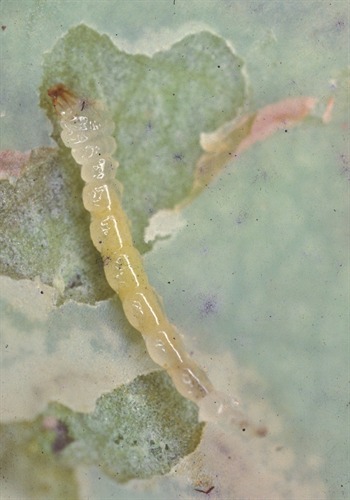
Phyllocnistis nepenthae
| Family Name: | Gracilariidae |
| Taxonomic Group: | Invertebrates (Butterfly and Moth) |
| Common Name: | Pitcher-plant Leaf-miner Moth |
Name
Ecology, Habitat & Location
| Ecological Notes | Host genus (i.e. Nepenthes) specific. It however does not seem to harm the plant significantly. The larvae of the moth make tunnels in the leaves of Nepenthes (including the pitcher plant cups). |
|---|---|
| Habitats | Forest, Terrestrial |
| Distribution | Java and Singapore. |
Conservation
| Trends & Threats | The conservation of ephemeral habitats is a special problem.Pitcher plants can grow quite unsightly, and the continued removal of these plants will almost certainly condemn the moth to extinction. |
|---|---|
| Scientific Interest & Potential Value | Although N. gracilis is the commonest of the local species of pitcher plant and in no way itself an endangered species, really dense populations are distinctly uncommon. The Phyllocnistis leaf miner occurs where such dense stands exist. It is cited here therefore, to hightligh the importance of managing ephemeral habitats of special interest. A small area in Kent Ridge Park is typical - heavily eroded sandstone cliffs with ferns and sparse secondary vegetation is at present very densely growth with Nepenthes gracilis. Left to itself the vegetation which is only a stage in reversion to forest, probably has a life expectancy of a few decades at most. Whether it is possible to maintain such an area indefinitely in this interesting, and potentially tourist attractive condition, deserves research. |
| Conservation Notes | As pitcher plants have a basic tourist fascination, if properly managed, these interesting plants and their parasites can easily be conserved. |
Status
| Singapore Red Data Book Status | Endangered (EN) [2008] |
|---|
Photos
References
| References | Davison, G.W.H., Ng, P.K.L. & Ho, H.C (Eds.). 2008. The Singapore Red Data Book (2nd Edition). Singapore: Nature Society (Singapore). 285pp |
|---|