National Parks Board

Building Capacity and Cultivating Connection

Chapter 2

Shared environmental stewardship forms the foundation of NParks’ work towards our City in Nature vision. By facilitating meaningful public engagement and enhancing the vibrancy of Singapore’s green spaces, we play a pivotal role in strengthening the social fabric and instilling a deep-rooted sense of environmental responsibility among local communities.

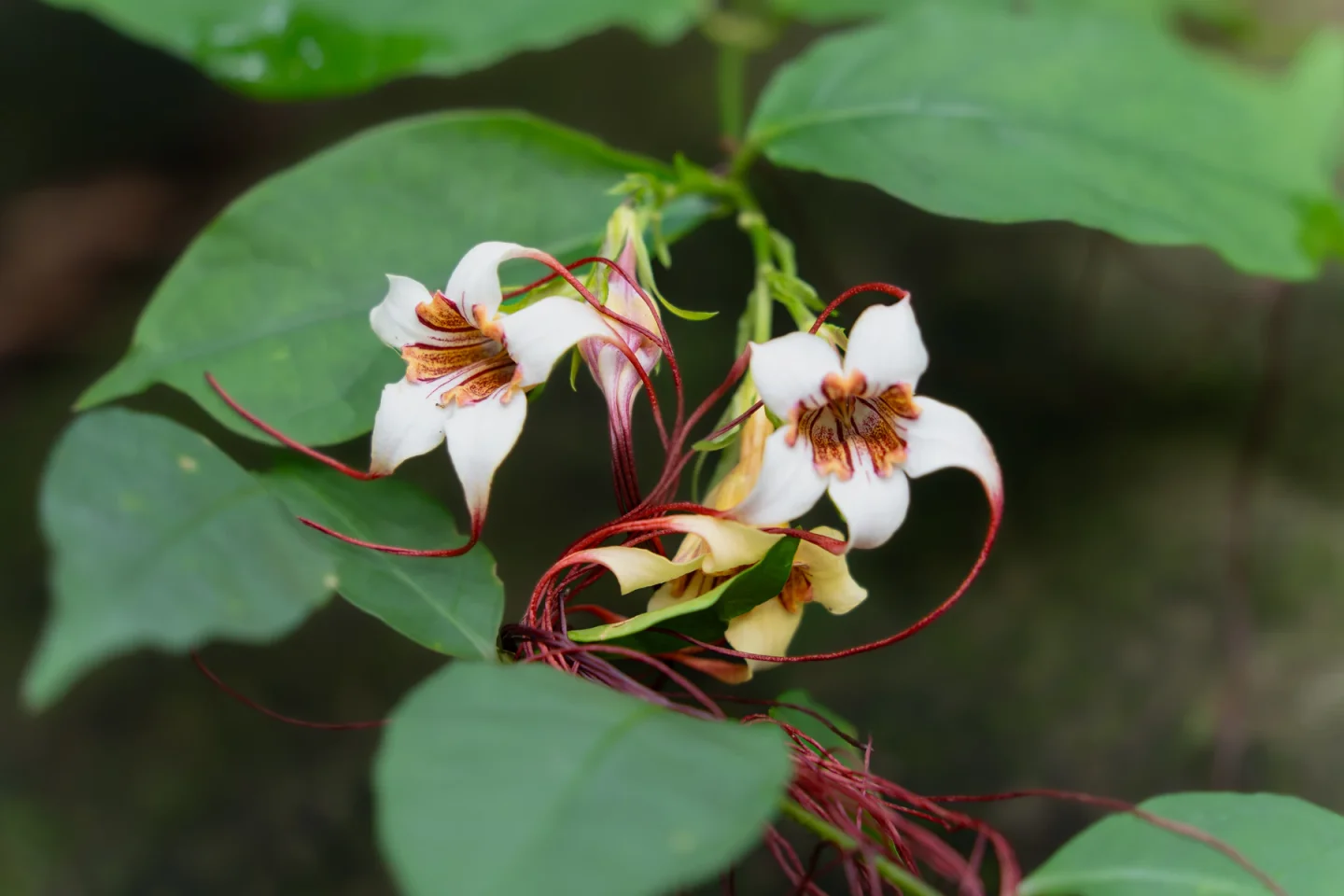
Climbing Oleander (Strophanthus preussii)
We advance this vision by:
  • Nurturing inclusive engagement with communities
  • Expanding access to green spaces for all
  • Investing in the development and well-being of our workforce
  • Cultivating strategic alliances to accelerate progress

Our commitment goes beyond urban greening. Driven by strong participation of our communities, industry partners, and dedicated workforce, we are championing a transformative culture where wellness, community connection, and the co-creation of our natural heritage are at the heart of our work.

Material Topic: Partnerships, Participation and Park Experiences

(GRI 3-3)

At NParks, we strive to provide good quality experiences in our green spaces through programming, outreach and events, to develop in visitors an appreciation for our natural heritage. We also engage stakeholders and cultivate partnerships with the community through concerted volunteer programmes to develop and sustain active stewardship of our City in Nature. This impact is amplified through robust engagement with our stakeholders, including professional organisations, academic and botanical institutions, and industry leaders. In turn, such strategic alliances enable us to expand community outreach and catalyse nature stewardship at every level.

Annually, we conduct outreach programmes that boost environmental literacy and create more liveable, welcoming spaces where communities can come together, strengthening social cohesion as a result. We nurture this vibrant ecosystem of shared responsibility through diverse opportunities for connection and contribution:

Event-Driven Engagement

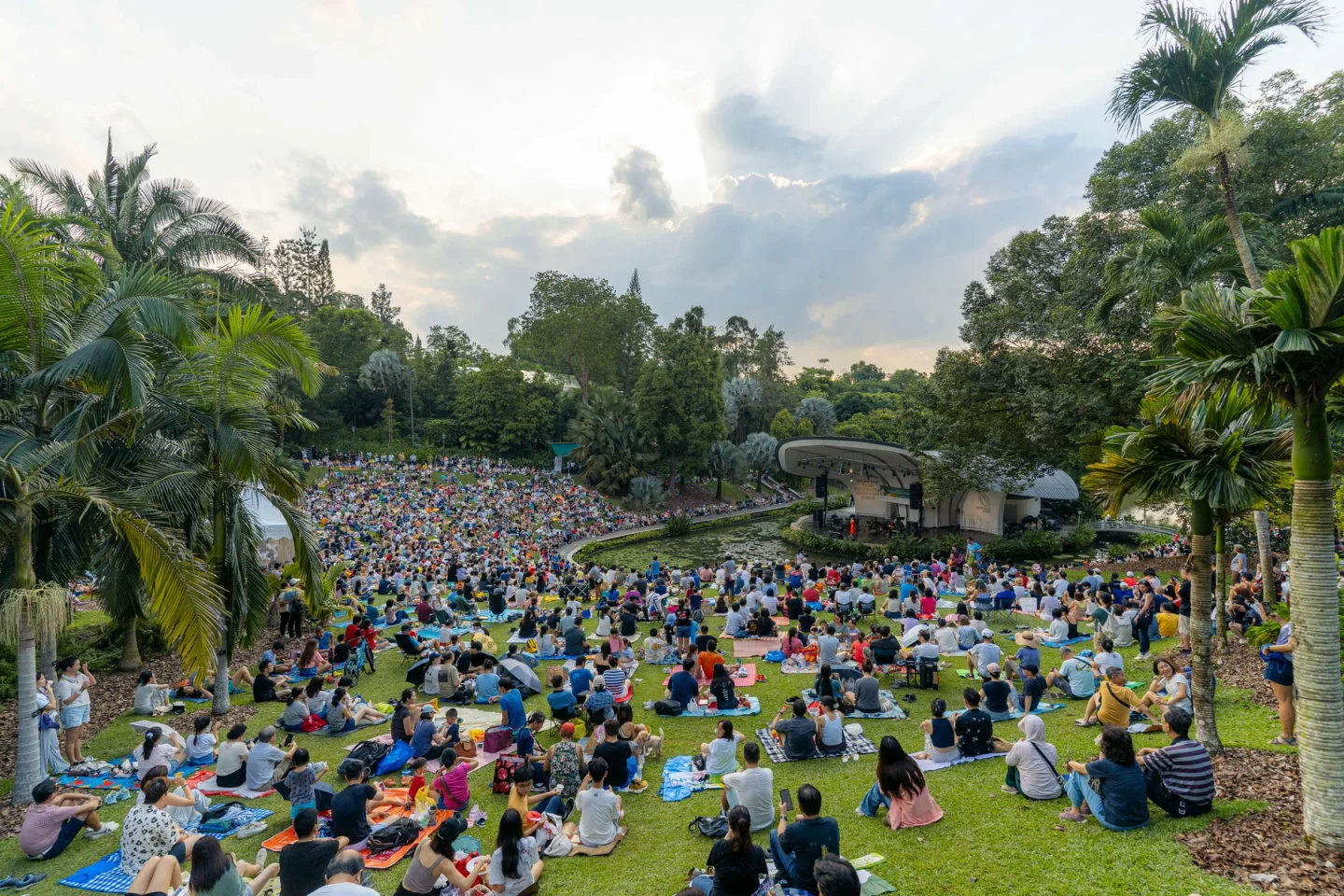
Hosting events and exhibitions like the Festival of Biodiversity, Singapore Garden Festival, Gardeners’ Day Out, Pets’ Day Out, and NParks Concert Series in the Park: Rockestra®, that bring communities out to enjoy our green spaces

Strategic Collaboration

Driving public consultations and research partnerships to co-create our green future

Knowledge Amplification

Sharing insights via digital platforms and educational institutions to deepen public awareness

Dedicated Advocacy

Supporting volunteer groups like Friends of the Parks and Youth Stewards for Nature in collective advocacy

Experiential Learning

Offering workshops and guided nature activities that build more immersive connections with the natural environment

Animal Welfare Initiatives

Managing adoption drives and microchipping sessions to promote responsible pet ownership

Direct Conservation Pathways

Empowering individuals through tree planting, invasive species management, citizen science surveys, and the Community in Bloom movement

Philanthropic Support

Enabling meaningful contributions through donations and sponsorships to support Singapore’s green legacy

Year in Review

Community Stewardship and Advocacy

Growing the OneMillionTrees movement

At the heart of the OneMillionTrees movement is the engagement and involvement of the community in contributing to our City in Nature. As of March 2026, more than 855,000 trees have been planted by the community. Beyond greening the island, the movement builds social resilience by forging connections across diverse groups, deepening people's attachment to the green spaces around them, and cultivating a collective stewardship for our natural heritage in the long run.

Empowering Youths and Community

The fifth edition of the Youth Stewards for Nature (YSN) programme concluded in October 2025, involving more than 100 youths developing projects that enhance outreach and engagement efforts to grow our City in Nature. They include guided tours of heritage trees, photography competitions and games to raise awareness of biosecurity risks.

Held in end March 2026 in Singapore, the World Wildlife Day Regional Youth Symposium convened over 150 youths, practitioners and partners from across the region for speaker sessions, showcases and hands-on workshops. This fifth edition was organised by 20 youths from the YSN programme and 10 members of the CITES Global Youth Network's Asia chapter and co-led by Singapore and the Philippines. Such events facilitate regional knowledge exchange and strengthen networks for collective action on wildlife matters.

NParks expanded the Nature Kakis Network to 29 established chapters, with the addition of six new groups in the reporting year. As of March 2026, the Network comprises 362 leads and stewards, who have engaged over 30,000 participants through 470 activities since 2023. The Nature Kakis chapters organised and conducted learning journeys on topics such as urban greenery, community animal management, and conservation.

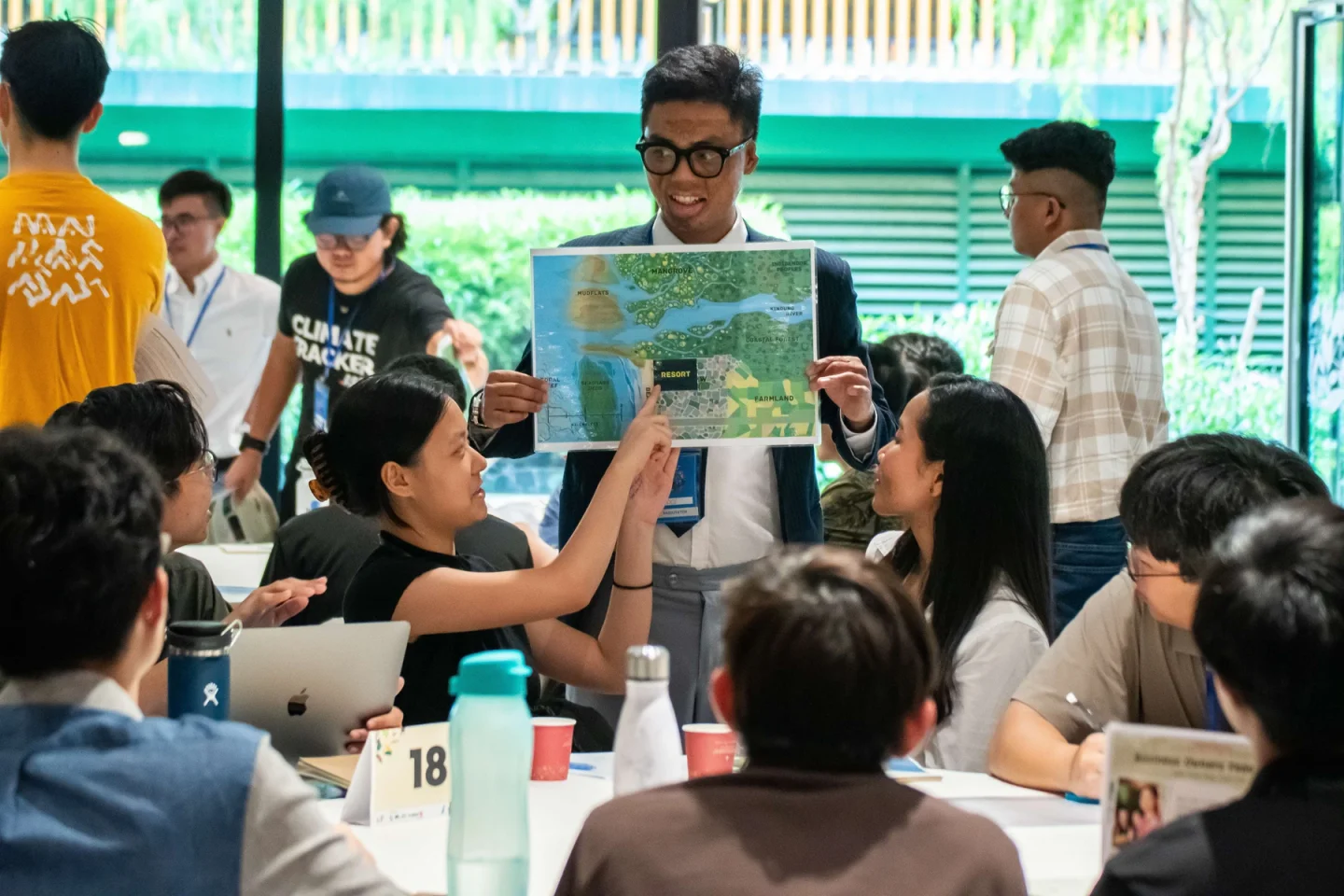
The Youth Stewards for Nature programme invites youths aged 18 to 25 to explore and co-develop various City in Nature initiatives with the support of NParks staff and partner mentors.

Knowledge and Education

Nurturing the Seeds of Stewardship

NParks continues to involve schools, volunteers and partners in its Community in Nature (CIN) programmes. In 2025, the CIN Playtime Series and BioBlitz for Schools engaged over 36,000 students.

NParks also conducted specialised training for preschool teachers on responsible human-wildlife encounters, for them to educate their students. The training complements nationwide educational resources that NParks produces, with the aim of instilling a better understanding of native wildlife and nature from an early age.

Complementing these, NParks broadens access to biodiversity knowledge through its digital resources. NParks has published 870 native plant records on FloraFaunaWeb to date, each accompanied by verified information and photographs. As part of Singapore’s National Targets corresponding to the Kunming-Montreal Global Biodiversity Framework targets, NParks aims to bring the total of verified and publicly available native plant records on FloraFaunaWeb to 1,000 by 2030.

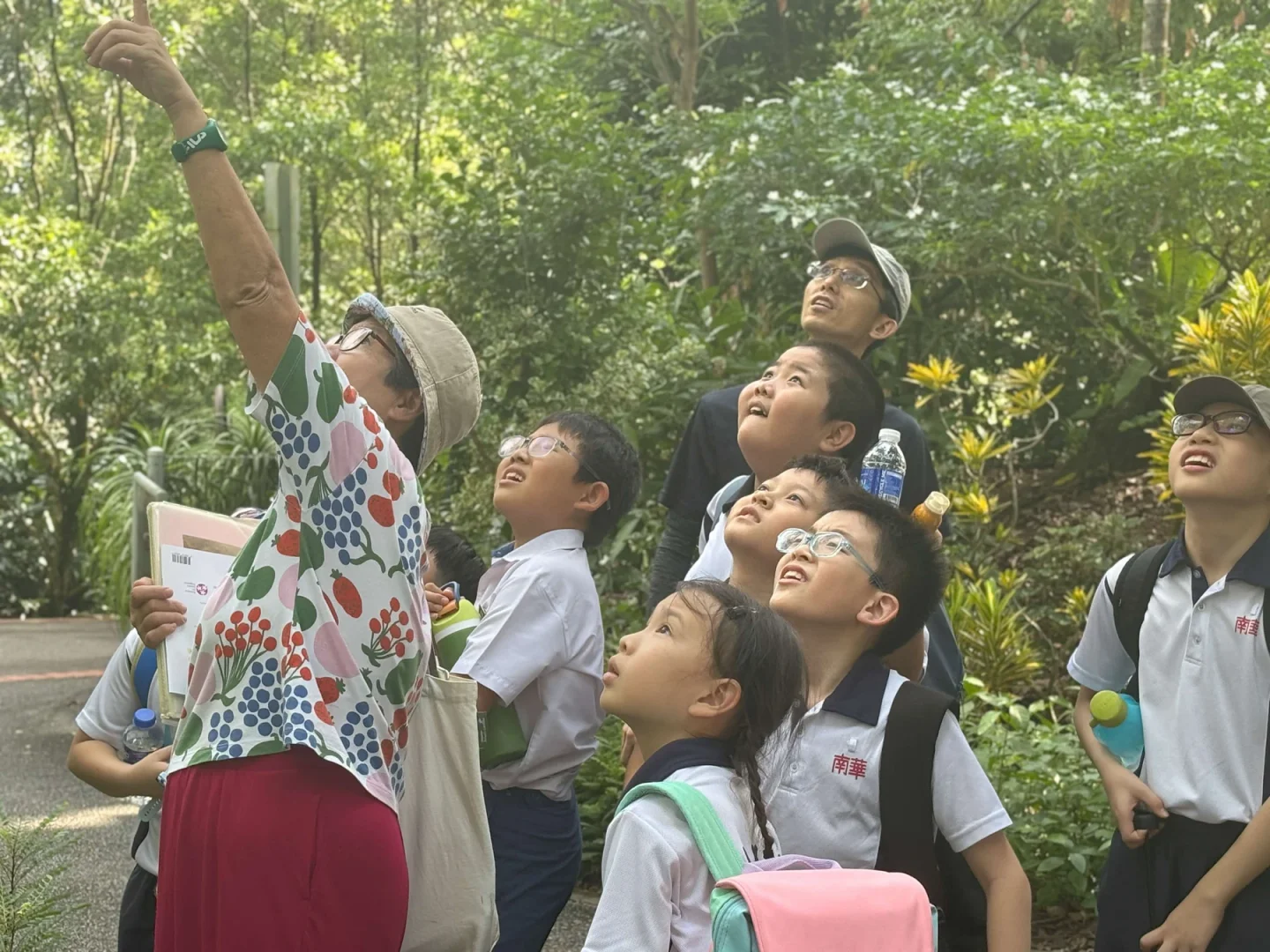
NParks organises guided walks and workshops to inculcate a love for nature and animals in students of all ages.

Curating the Visitor Experience

Our parks and gardens are thoughtfully designed to cater to all visitors, including seniors, families and individuals with special needs. We strive to ensure that everyone can navigate and enjoy our green spaces with ease through features such as barrier-free access and intuitive wayfinding tools.
Alongside these initiatives, NParks is working towards interactive digital learning platforms and virtual experiences, as well as maintaining strong stakeholder ties through regular consultations with diverse public groups.
Ensuring the safety and well-being of park users remains a priority. Regular inspections are conducted across our parks to identify and address potential hazards, supported by robust response protocols that ensure concerns are resolved promptly and effectively. Risk assessments are done before public events, with mitigation measures implemented and provision of safety briefings to event staff and volunteers. We also actively gather visitor feedback through surveys, allowing us to continually refine the park visitor experience while adapting to the evolving needs of our communities.
Our dedication to enhancing community well-being is reflected in:
  • Inclusive Contemplative Landscaping: Completed 15 contemplative landscape sites designed for reflection, with further expansion underway.
  • Universal Access: Integrating barrier-free pathways and multi-sensory gardens throughout our parks.
  • Improved Navigation: Deploying clear and effective wayfinding systems and interpretive signs.

Year in Review

Celebrating the Singapore Botanic Gardens

In 2025, the Singapore Botanic Gardens commemorated three milestones: the 10th anniversary of its UNESCO World Heritage Site inscription, 150th anniversary of the Singapore Herbarium and Library of Botany and Horticulture, and 30th anniversary of the National Orchid Garden.

The celebration’s centrepiece was the 10th edition of the Singapore Botanic Gardens Heritage Festival, held in July 2025, featuring over 40 activities for visitors to enjoy.

Beyond the festival, the Gardens held the Planting Memories – Singapore Botanic Gardens Through the Eyes of the Community exhibition that gathered over 250 stories, photos, and recordings from past staff and members of the public, reflecting the deep communal bonds the Gardens has cultivated over generations. A Discovery Passport, co-created with students from LASALLE College of the Arts, encouraged visitors to explore the grounds to collect 10 commemorative stamps.

Visitors to the Learning Forest at the Gardens can now take a self-guided audio tour, connecting with nature at their own pace. Across nine stops along a 1 km trail through freshwater swamp and lowland dipterocarp forest, visitors can discover native species and learn about the work behind maintaining their habitats. NParks also worked with the Land Transport Authority to design and install botanical artworks in the Botanic Gardens MRT station. These initiatives exemplify how the Gardens continues to grow as a space where biodiversity, heritage, and community come together.

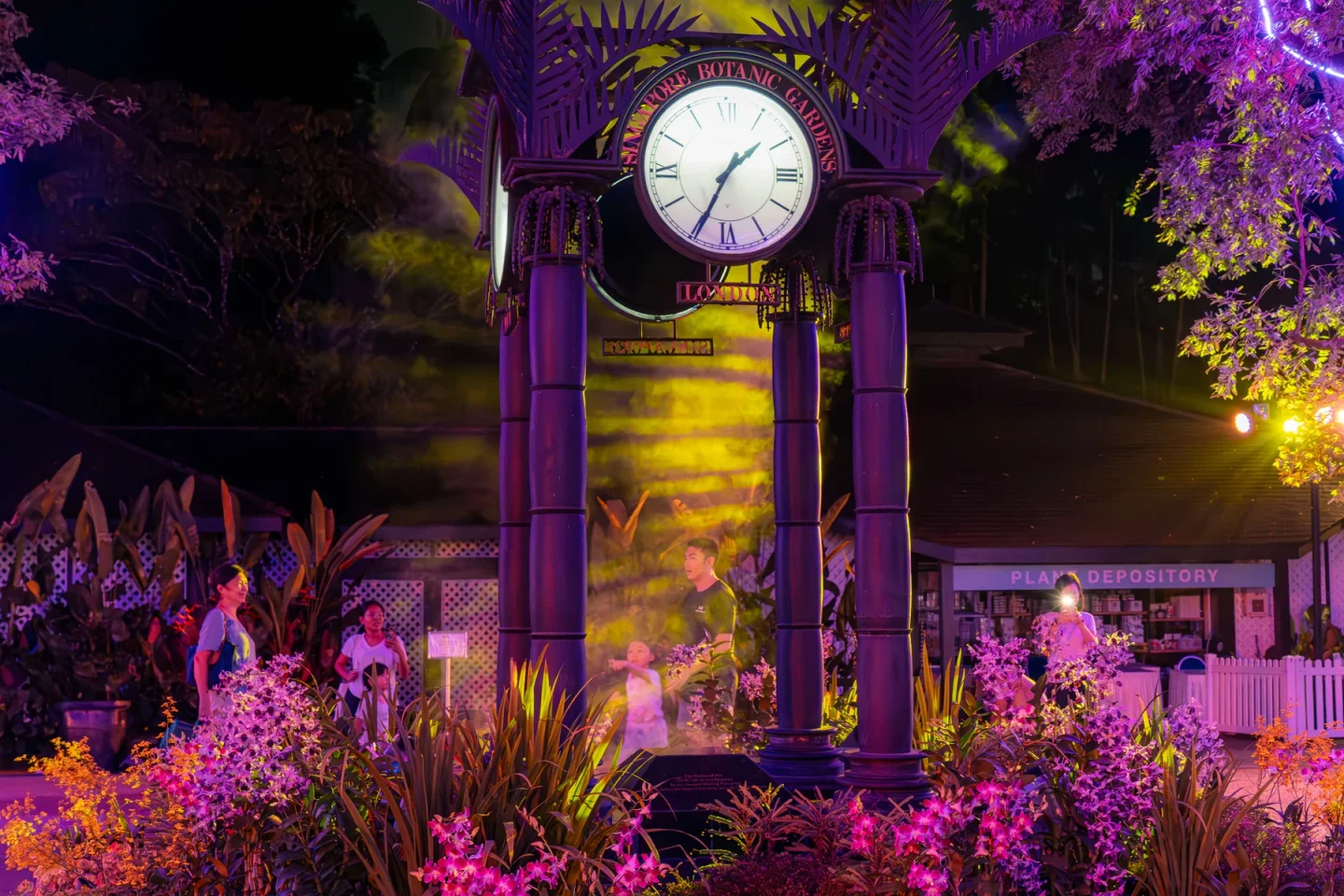
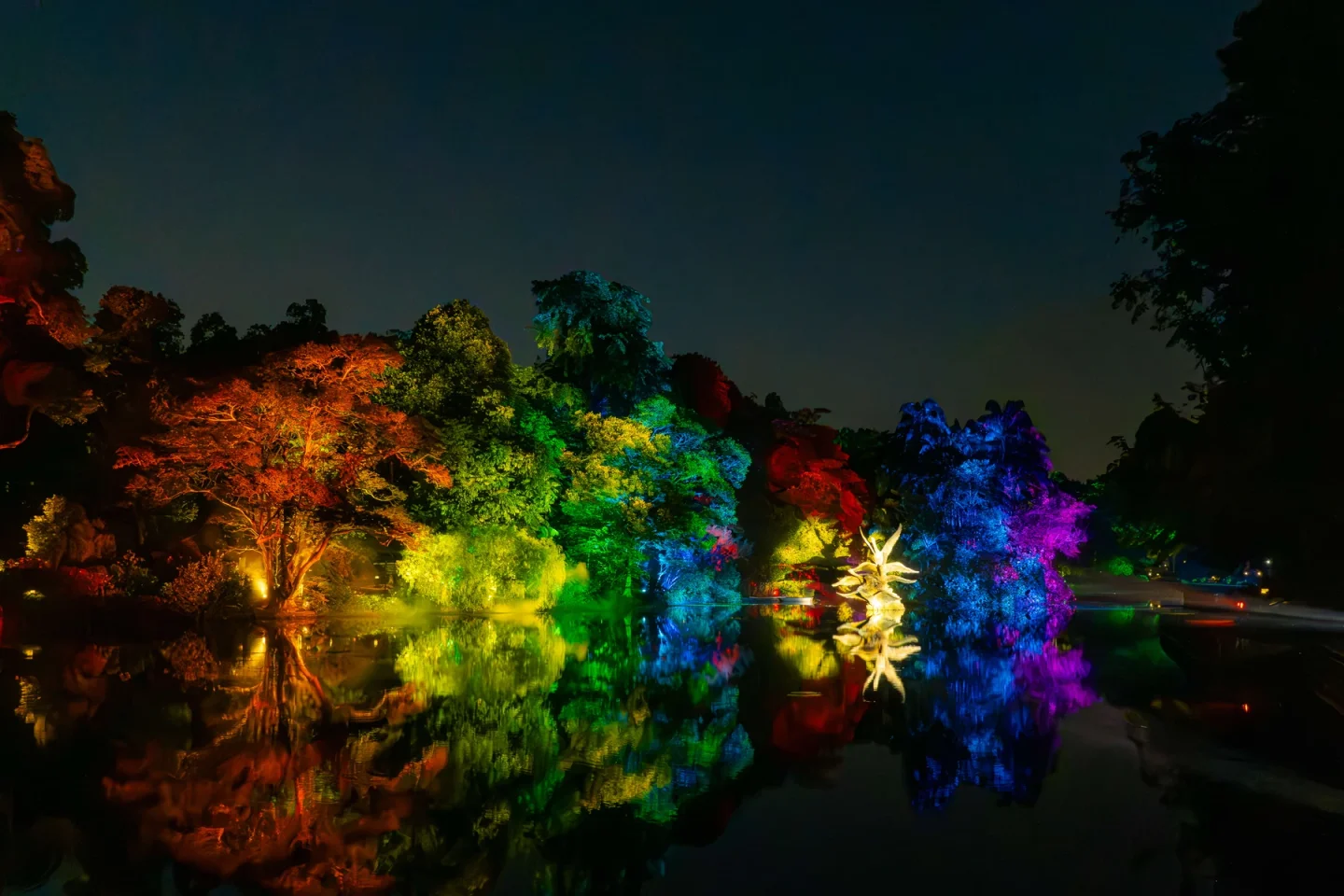
Singapore Botanic Gardens' first ever light show was complemented by light installations at the Bandstand, Clock Tower at Orchid Plaza, and Palm Court near Nassim Visitor Services Centre as part of the 10th edition of the Heritage Festival.

The Festival line-up also included musical performances, outdoor movie screenings, guided tours and hands-on workshops.

Light shows at Swan Lake and Tanglin Gate were a highlight of the 10th edition of the Heritage Festival.

Connecting Friends of the Parks

The Friends of the Parks community is a platform for stakeholders to play a role in promoting responsible and sustainable use of our parks through ground-led programmes and initiatives. Organised in collaboration with the Friends of East Coast Park (ECP) and community partners, ECP Day 2025 was held on 22 November at Parkland Green. Around 400 residents and nature enthusiasts came together to celebrate the park's biodiversity, community initiatives, and stories, exemplifying NParks’ approach to fostering partnerships, participation, and meaningful experiences. In Central Singapore, Bishan-Ang Mo Kio Park celebrated a decade of community volunteering on 5 July 2025. The gathering featured guided tours led by the Friends of Bishan-Ang Mo Kio Park group which covered the park's diverse tree species and its butterfly habitat enhancement project.

Expanding Connectivity

Residents can now enjoy better connectivity in our City in Nature. In the reporting year, NParks added 3.86 km of new park connectors, including the Kheam Hock Road, Lentor, and Yishun Avenue 1 (Yishun Dam) Park Connectors, bringing the total network to 424 km that incorporates key routes such as the Coast-to-Coast Trail and the Rail Corridor. To advance sustainability goals, solar-powered lampposts were installed at the Kheam Hock Road and Yishun Dam Park Connectors, delivering savings in capital and operating expenditure.

Parks for Health Framework

NParks introduced the Parks for Health Framework in 2025, leveraging existing parks and enhancing therapeutic landscapes to enable the community to enjoy the benefits of nature. The framework also consolidates other ongoing efforts, improving accessibility to green spaces and bringing them closer to residents.

Key initiatives include enhanced access to green spaces, including the introduction of 15 contemplative landscape sites that feature tranquil seating areas, natural elements and scenic views to encourage reflection and contemplation. In addition, more rest points along park connectors and therapeutic landscapes in housing estates and healthcare institutions will be introduced, coupled with therapeutic horticulture programming.

The Centre for Urban Greenery and Ecology (CUGE) introduced a Train-the-Trainer course in March 2026 to equip community care practitioners with skills to facilitate therapeutic horticulture programmes. Collaborations with Institutes of Higher Learning have also been established to scale up this training.

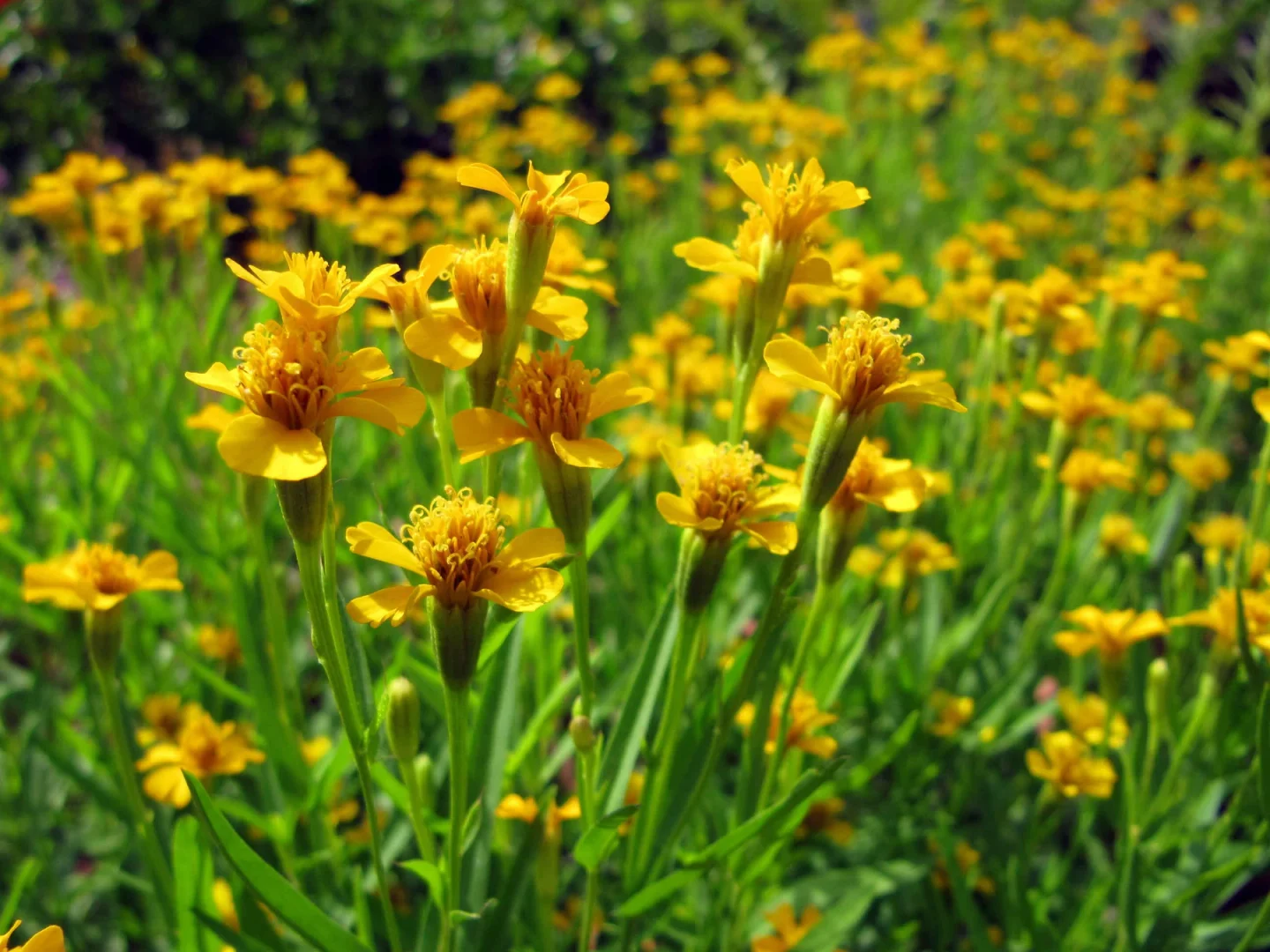
Planting sweetly scented flowers, such as that of the Mexican Tarragon (Tagetes lucida) is part of the multi-sensory design for Therapeutic Gardens, that encourages visitors to interact with nature using all five senses, deepening relaxation and mindfulness.

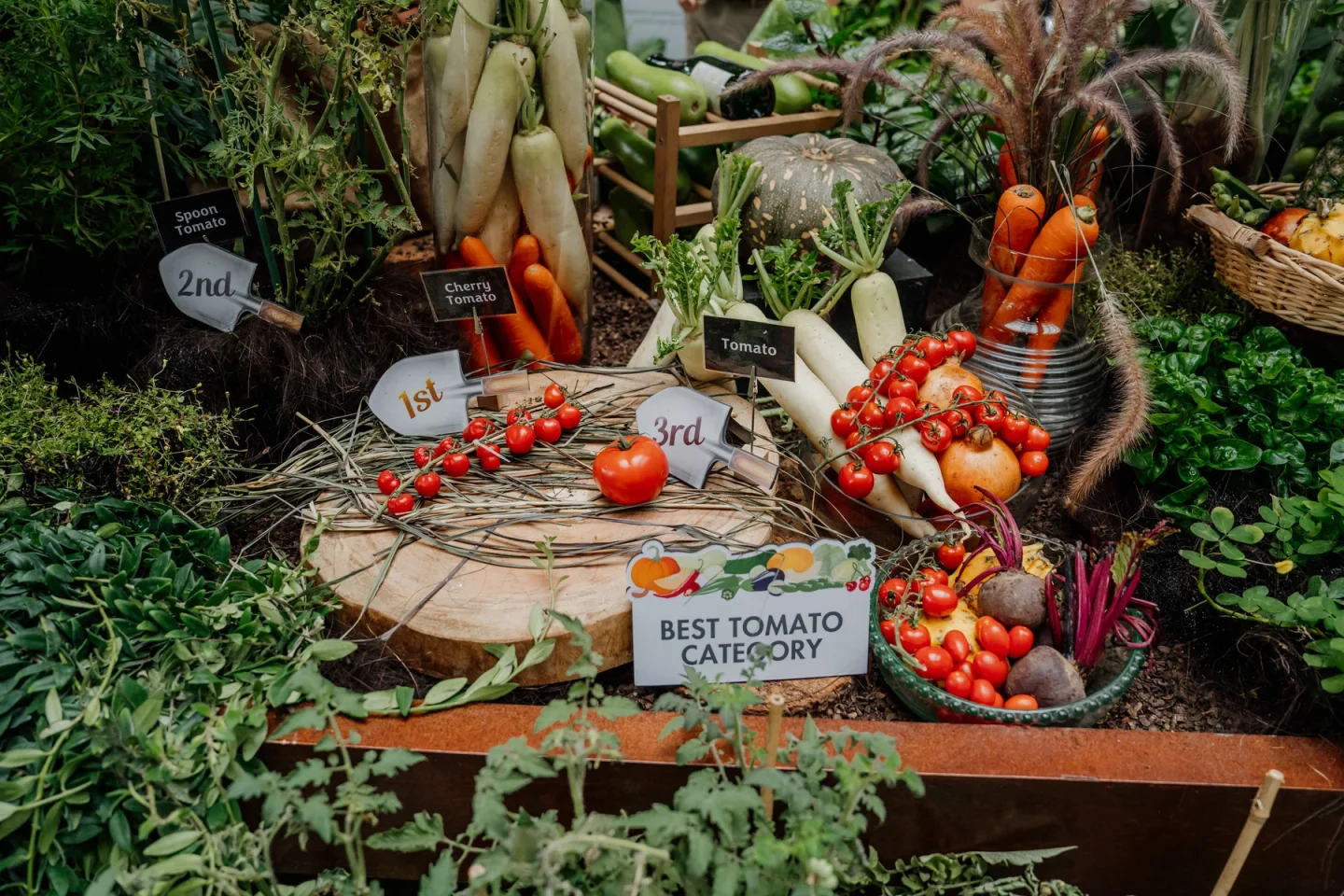
As part of HortFest, the Community Garden Edibles Competition showcased prize-winning vegetables such as tomatoes and pumpkins.

Celebrating Community Gardening

NParks celebrated the 20th anniversary of the Community in Bloom (CIB) programme in August 2025 with a week-long lineup of horticultural displays and activities at HortFest 2025. The seeds of the CIB programme were planted two decades ago in 2005 with the goal of promoting a gardening culture among Singaporeans by encouraging and facilitating community gardening efforts, while fostering a greater sense of ownership for our green spaces. To date, this gardening movement has brought together over 2,000 CIB groups comprising more than 48,000 enthusiasts all over the island. Three new themed gardens — beginner-friendly, Horticulture Introduction, and Scented — were opened at HortPark, supporting residents’ growing interest in gardening and expanding the variety of experiences for visitors. NParks also launched the Grow and Share initiative from March to December 2025, encouraging gardeners to share the joy of gardening with the wider community. The initiative successfully activated over 30,000 participants through more than 260 self-organised activities.

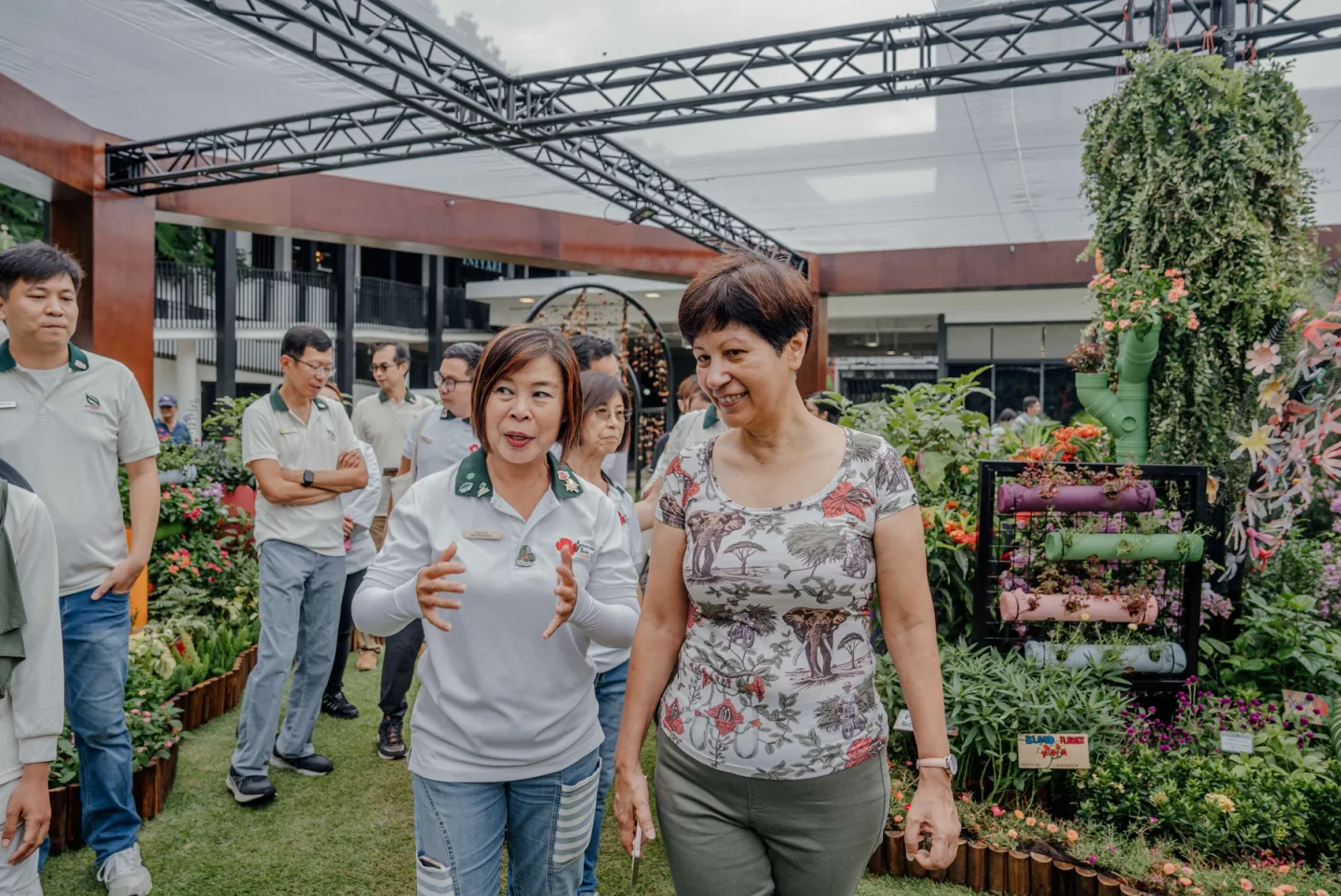
Minister in the Prime Minister’s Office and Second Minister for Finance and National Development, Indranee Rajah, tours the Community Gardeners Plots with CIB Ambassador Felicia Tan.

Creating Inclusive Green Spaces

In 2025, NParks launched several pilots to enhance inclusivity at our green spaces, such as installing supplementary dementia-friendly wayfinding signs at four parks with a higher concentration of the elderly: Jurong Lake Gardens, Pasir Ris Park, Yishun Park, and Bishan-Ang Mo Kio Park. Additionally, East Coast Park also introduced accessible paths along its beaches as a pilot initiative to address mobility challenges faced by stroller and wheelchair users. The pilot will be extended to other sites, if suitable.

Material Topic: Talent and Career Development

(GRI 3-3, 2-30, 404-2, 404-3)

NParks recognises talent and career development as a vital driver for building a future-ready and engaged workforce. Investing in our people is critical for NParks' work to transform Singapore into a City in Nature and to support our contributions to the Singapore Green Plan 2030. Our management approach leverages a purpose-driven culture to attract specialised expertise in areas like arboriculture, horticulture, and veterinary services. We focus on attracting and retaining talents with a genuine passion for environmental and wildlife conservation across a diverse range of roles like field operations to corporate functions, along with a readiness for both outdoor work and operational excellence.
At the operational level, there is regular ground-up engagement by Senior Management to gather feedback and ensure that working conditions are continuously improved for frontline excellence. To gather deeper insights on staff satisfaction, working culture, and areas for improvement, as well as track the effectiveness of our talent and recruitment practices, we conduct annual Pulse surveys and biennial Employee Engagement Surveys. We also invest significantly in our staff professional development through:
  • Providing diverse scholarships and sponsorships to nurture future leaders
  • Supporting sustainability-focused certifications and specialised field courses
  • Enabling job rotations and attachments to build cross-functional capabilities
  • Aligning career pathways with critical technical and operational needs.
By offering comprehensive growth-oriented benefits, such as study and exam leave, we empower our workforce to grow and develop professionally. In FY2025, all employees were entitled to and received performance and career development reviews. Furthermore, NParks fully respects the right to collective bargaining, and all of our employees are entitled to join unions. In the reporting year, NParks and the Amalgamated Union of Public Employees (AUPE) renewed the three-year Collective Agreement, strengthening the partnership to enhance staff welfare, protect members’ rights, and promote employability. As of 31 December 2025, 34% of our workforce was covered by union agreements, with consistent terms applied across the organisation to ensure equitable treatment. By integrating these feedback loops and professional development frameworks, we maintain a resilient and engaged talent pipeline.

Year in Review

NParks Recognised as a ‘Social Enterprise Advocate’

In the reporting year, NParks was recognised by the Singapore Centre for Social Enterprises with the Social Enterprise Advocate award. This acknowledges NParks’ contributions to the social enterprise ecosystem and social impact through partnerships, funding, and support for gardening and horticulture-related programmes through the Social Enterprise Community Urban Farm initiative.

Empowering Knowledge for Staff

NParks' Hort Champs programme continued to build expertise across the organisation through a series of workshops in 2025. Topics spanned practical and technical themes, from plant decoration for events and termite management of urban trees, to habitat enhancement measures for birds. A Hort Colloquium held in June 2025 provided an additional platform to share new initiatives and innovations, keeping staff at the forefront of knowledge and practice.

Workforce Statistics

(as of 31 March 2026) (GRI 2-7, 401-1, 401-3)

Permanent employees5

Male

561

Female

657

Total

1,218

Full-time employees

Male

555

Female

653

Total

1,208

Part-time employees

Male

6

Female

4

Total

10

New hires during FY20256

Male

54

Female

71

Total

125

Employee turnover during FY20257

Male

27

Female

23

Total

50

Number of employees entitled to parental leave during FY2025

Male

20

Female

12

Total

32

Number of employees who took parental leave during FY2025

Male

16

Female

12

Total

28

Number of employees that returned to work in the reporting period after parental leave ended

Male

20

Female

13

Total

33

Number of employees that returned to work after parental leave ended that were still employed 12 months after their return to work

Male

3

Female

8

Total

11

  1. All staff are permanent, and all are employed in Singapore.
  2. Of new hires: 52 were aged 30 or below; 68 were aged between 30 and 50; and 5 were aged 50 or above.
  3. All turnover was voluntary. Of the departing employees: 6 were aged 30 or below; 38 were aged between 30 and 50; and 6 were aged 50 or above.
Diversity of Workforce

(GRI 405-1, 406-1)

NParks remains committed to fostering an inclusive workplace where fairness and respect are foundational, believing that our diversity strengthens our ability to serve local communities effectively. There were zero incidents of discrimination during the reporting year.

Gender

Employees (inclusive of Management)

Male

561

Female

657

Management

Male

48

Female

48

Age

Employees (inclusive of Management)

<30 Yrs Old

170

30-50 Yrs Old

789

>50 Yrs Old

259

Management

<30 Yrs Old

0

30-50 Yrs Old

51

>50 Yrs Old

45

Staff Training

(GRI 404-1)

Training Hours

Total training hours (FY2025)

46,785

Average training hours

38.4

Material Topic: Workplace Safety and Well-being

(GRI 3-3, 403-3, 403-5, 403-6, 403-9)

The safety and well-being of our workforce is foundational to our mission. Our work is inherently public-facing and may be physically demanding, with conditions that can place significant pressure on staff. Left unaddressed, these pressures can affect morale, performance, and organisational resilience. We recognise the importance of workplace safety and well-being because the quality of care we bring to Singapore's parks and green spaces is directly shaped by the health and well-being of the people who manage them.

To address this, NParks takes a holistic approach to staff well-being, encompassing physical health, mental wellness, and work-life harmony. Clear guidelines are in place for both staff and supervisors to support balanced workloads and healthy lifestyles. Our Staff Well-being Committee operates in alignment with the Singapore Public Service Division's guidelines on work-life harmony, active living, and community service, translating these principles into tangible programmes and activities. These include community initiatives under the Singapore Kindness Movement, such as family carnivals and food donation drives, as well as a staff-led donation drive that raised over S$19,000 for the President's Challenge.

NParks employs a systematic and risk-based approach to workplace safety, covering both staff and contractors. Staff more exposed to certain diseases or challenging working conditions due to their nature of work are identified proactively, enabling targeted interventions such as risk assessments, regular health check-ups, and work process reviews. Risk assessments are also conducted for all higher-risk activities such as tree climbing or diving to manage risks. Safety awareness is maintained through continuous training, regular briefings, monthly safety inspections, and sharing of lessons learnt from past incidents, complemented by regular outreach through roadshows, Workplace Safety and Health (WSH) Bulletins, and safety seminars. Teams collaborate closely to address gaps identified through Notice of Accident investigations, and staff are encouraged to surface concerns via a dedicated feedback channel. Divisional WSH representatives are supported to participate in Ministry of Manpower (MOM) and WSH Council conferences to stay current on industry developments. For contractors, NParks promotes a shared safety culture through the inaugural Safety Day and has introduced a Safety Demerit Points Framework to strengthen WSH compliance across its operational network.

In the event of a major incident involving injury or death, an investigation committee is convened, with findings reported to Management and escalated to the Board where necessary. A safety bulletin and staff feedback channel support ongoing communication and hazard reporting. All staff are covered under the Work Injury Compensation Act (WICA). In FY2025, we recorded 28 minor work-related injuries and zero cases of work-related ill health.

Year in Review

Equipping Staff to Respond to Safety and Risk

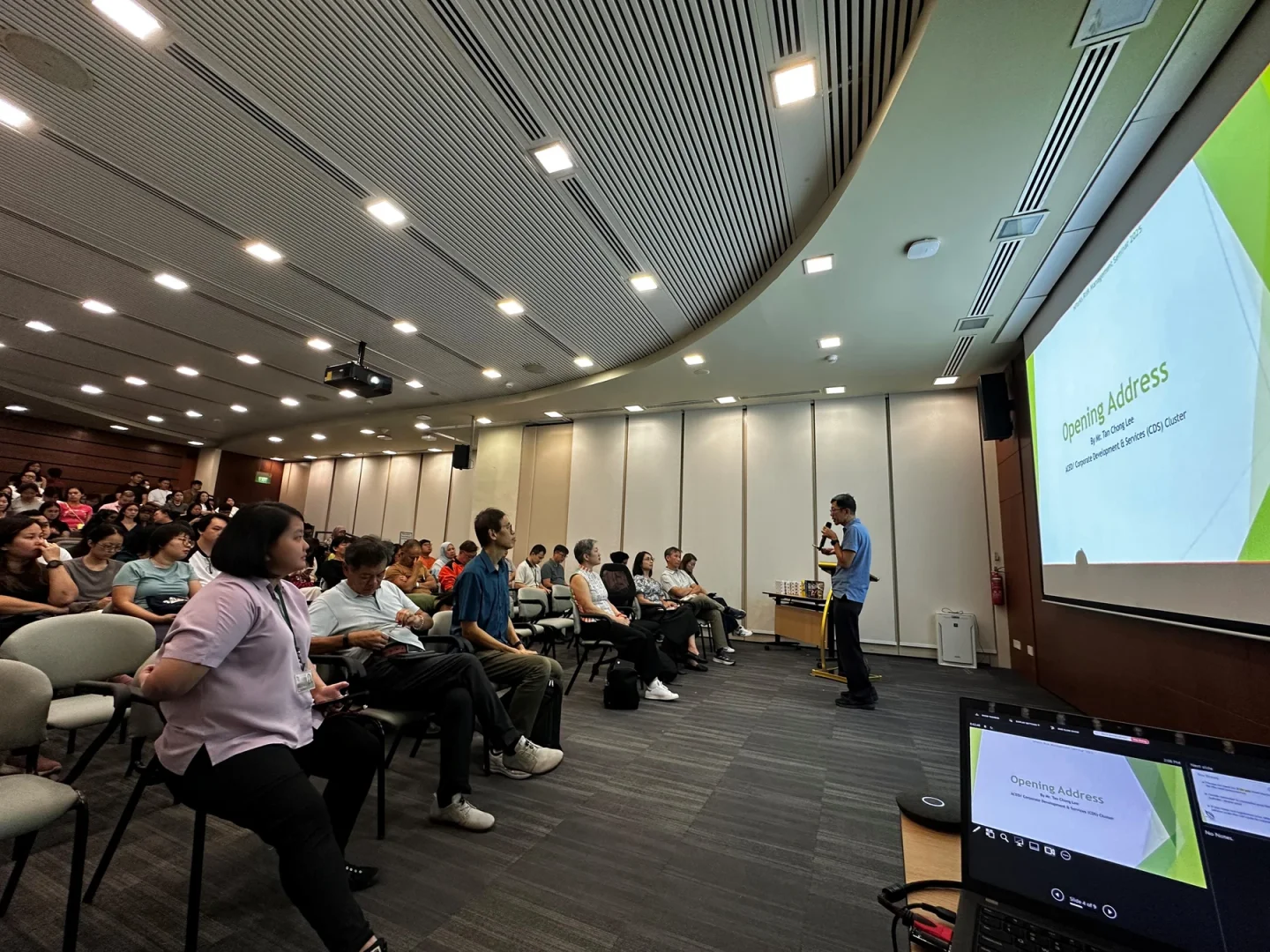
The third Risk Management Seminar was held on 8 October 2025, updating some 130 participants on lessons learnt from oil spills and Exercise Gallus X (designed to manage a simulated High Pathogenicity Avian Influenza outbreak locally), as well as cybersecurity threats.

To complement this, an inaugural Risk Assessment Webinar was conducted to share knowledge with about 170 participants on WSH regulations and risk assessment methodology using a standardised template. Together, these initiatives reflect NParks' proactive and structured approach to enterprise risk management, ensuring staff are equipped to respond effectively to any safety challenges.

NParks marked a significant step in our workplace safety journey with the launch of Safety Day. The event brought staff and experts from other agencies together to share insights and learn from experiences so as to foster a more inclusive and collaborative approach to safety. This lays the foundation for a stronger workplace safety culture that extends beyond compliance.

Risk management courses and seminars are offered to mitigate public safety hazards and upskill Singapore's landscape workforce.

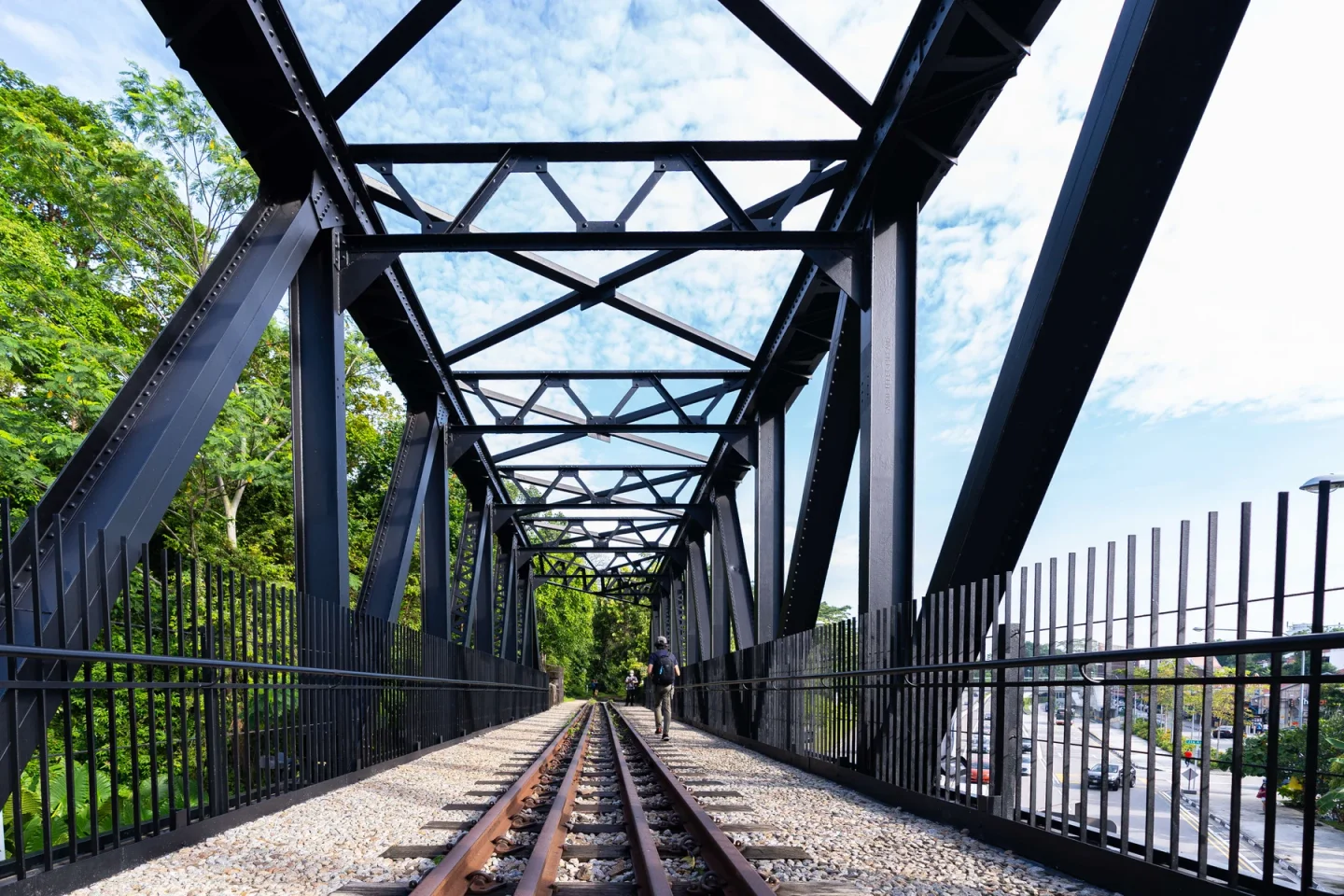
Rail Corridor

Material Topic: Strategic Alliances

(GRI 3-3)

NParks builds strategic alliances across the public, private, and people sectors to advance urban sustainability, drive innovation through joint research, and expand conservation outreach. These partnerships strengthen community engagement, support education, and reinforce Singapore's global leadership in urban biodiversity.

Public-Private-People Collaboration

NParks partners with veterinarians, nature groups, Town Councils (TCs), and government agencies to advance wildlife care, biodiversity research, habitat restoration, and public safety. Vets support rescue and rehabilitation efforts, while nature groups contribute field expertise and citizen science to monitor endangered species and restore ecosystems.

Inter-Agency Collaboration

As Singapore's technical agency for biodiversity conservation, NParks provides advisory support to other government agencies on greening and conservation matters. We collaborate with NEA and SFA to manage wildlife attractants, partner the Municipal Services Office and TCs on estate cleanliness and feedback management, work with the Agency for Integrated Care (AIC) to engage repeat wildlife feeders, and coordinate with customs and police to combat illegal wildlife trade. NParks is also a member of the One Health Collaborating Centre, whereby we collaborate with other government agencies, for investigations on leptospirosis outbreak, other zoonotic diseases, and insect vectors.

Partnering Industry

The landscape sector is critical for our transformation into a City in Nature. As such, NParks partners industry stakeholders to develop and transform the sector through the Landscape Sector Transformation Plan (LSTP). This is a ten-year plan to uplift the industry through technology adoption, digitalisation, nursery land provision, productivity grants, and skills development. LSTP initiatives include the Landscape and Animal Sector Productivity Grant (LAPG), which supports companies to adopt mechanisation and innovative solutions to improve operational efficiency. We also work with industry and relevant stakeholders to develop best practices through standards and guidelines.

Through the Centre for Urban Greenery and Ecology (CUGE), NParks offers sustainability-focused programmes for landscape professionals, staff, and agencies, while collaborations with local higher education institutions embed technology, innovation, and sustainability into relevant curricula, build expertise in horticulture, landscape design, and advanced maintenance so as to meet growing industry demands.

Academic Research

NParks collaborates with research partners to access broader expertise in biodiversity monitoring, species recovery, and ecosystem restoration, sharing findings through publications, workshops, and public-private engagement. We maintain MOUs with universities including NUS and NTU, and work with global institutions such as the UK's Royal Botanic Gardens, Kew and the Forest Research Institute Malaysia (FRIM) to support plant science and horticulture research.

NParks also works closely with the academic community to build capabilities in marine science and biosurveillance through the Marine Climate Change Science (MCCS) research programme and the Biosurveillance Research Programme. These partnerships support knowledge creation and deepen understanding of the impacts of emerging threats, to strengthen our capacity to monitor, protect, and respond to changes in our natural environment.

International Collaboration

NParks engages actively in global platforms including the Convention on Biological Diversity, United Nations Framework Convention on Climate Change (UNFCCC), and International Union for Conservation of Nature (IUCN), while leading regional efforts such as the ASEAN Work Programme on Urban Biodiversity and Greenery.

Following the 2025 IUCN World Conservation Congress in Abu Dhabi, NParks has been working with Alexandra Zimmermann, Chair of the IUCN Species Survival Commission Human-Wildlife Conflict and Coexistence Specialist Group, to develop and deliver a capacity-building workshop for officers managing human-wildlife interactions and conflicts in Singapore.

Year in Review

Research Developments

First Record of Peregrine Falcon Chicks in Singapore

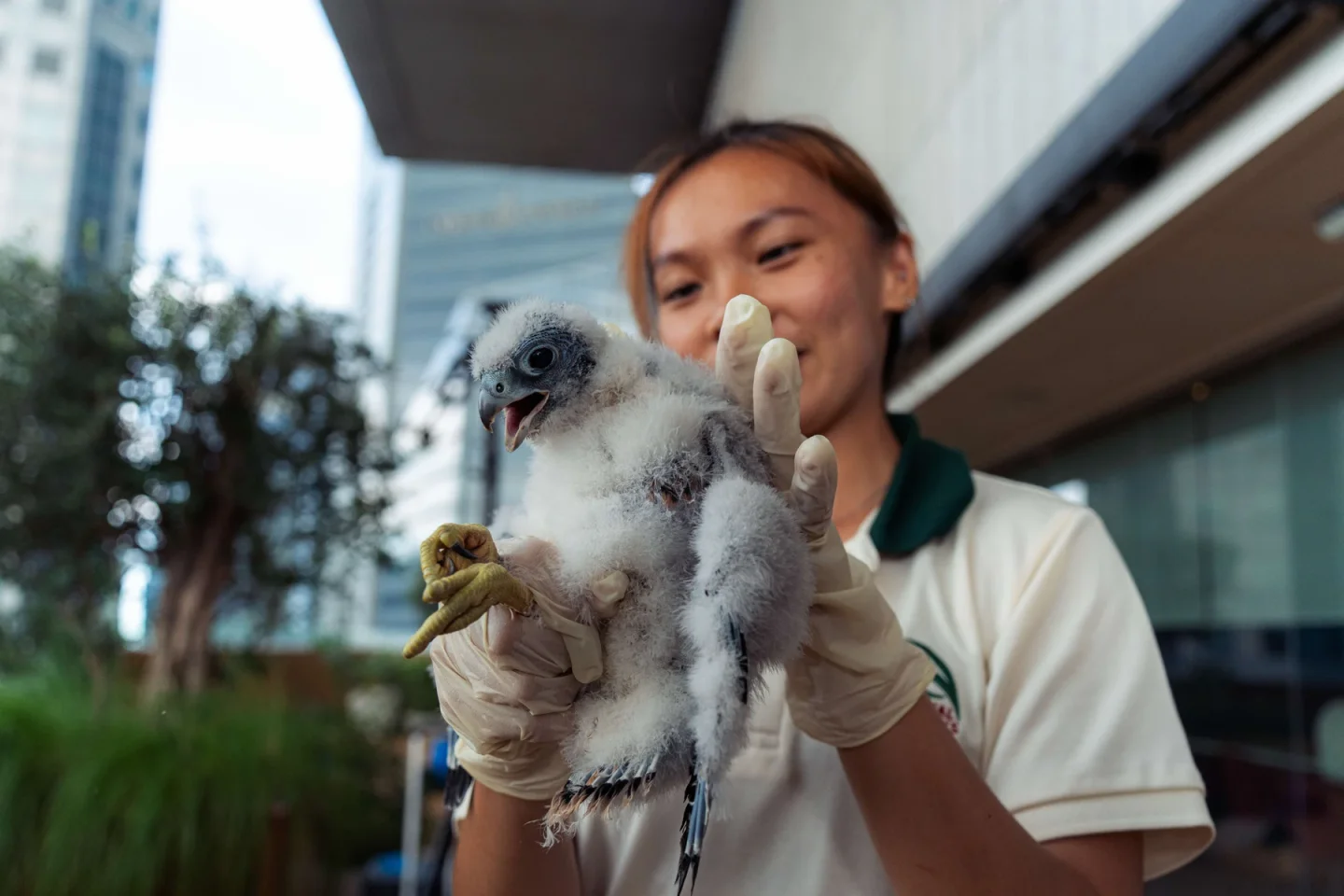
Two Peregrine Falcon (Falco peregrinus ernesti) chicks were successfully hatched on 6 and 9 April 2025, making this Singapore's first recorded instance of Peregrine Falcon chicks. Both fledged in mid-May 2025, following NParks' efforts from late 2024 to support the nesting of a breeding pair at the OCBC Centre on Chulia Street.

Peregrine Falcons (Falco peregrinus ernesti)

Peregrine Falcons typically nest on loose gravel substrate, where they can scrape out a hollow to hold the eggs. NParks, supported by OCBC, installed a specially designed nesting tray filled with loose gravel to support breeding attempts.

Digitalising the Herbarium and Library Collections

The Singapore Botanic Gardens has commenced its largest digitalisation effort to date, digitising approximately 800,000 herbarium specimens, and over 50,000 archival materials. The project also includes a 40% expansion of both the Herbarium and the Library of Botany and Horticulture aimed at improving research facilities and increasing public access to the Gardens' collections.

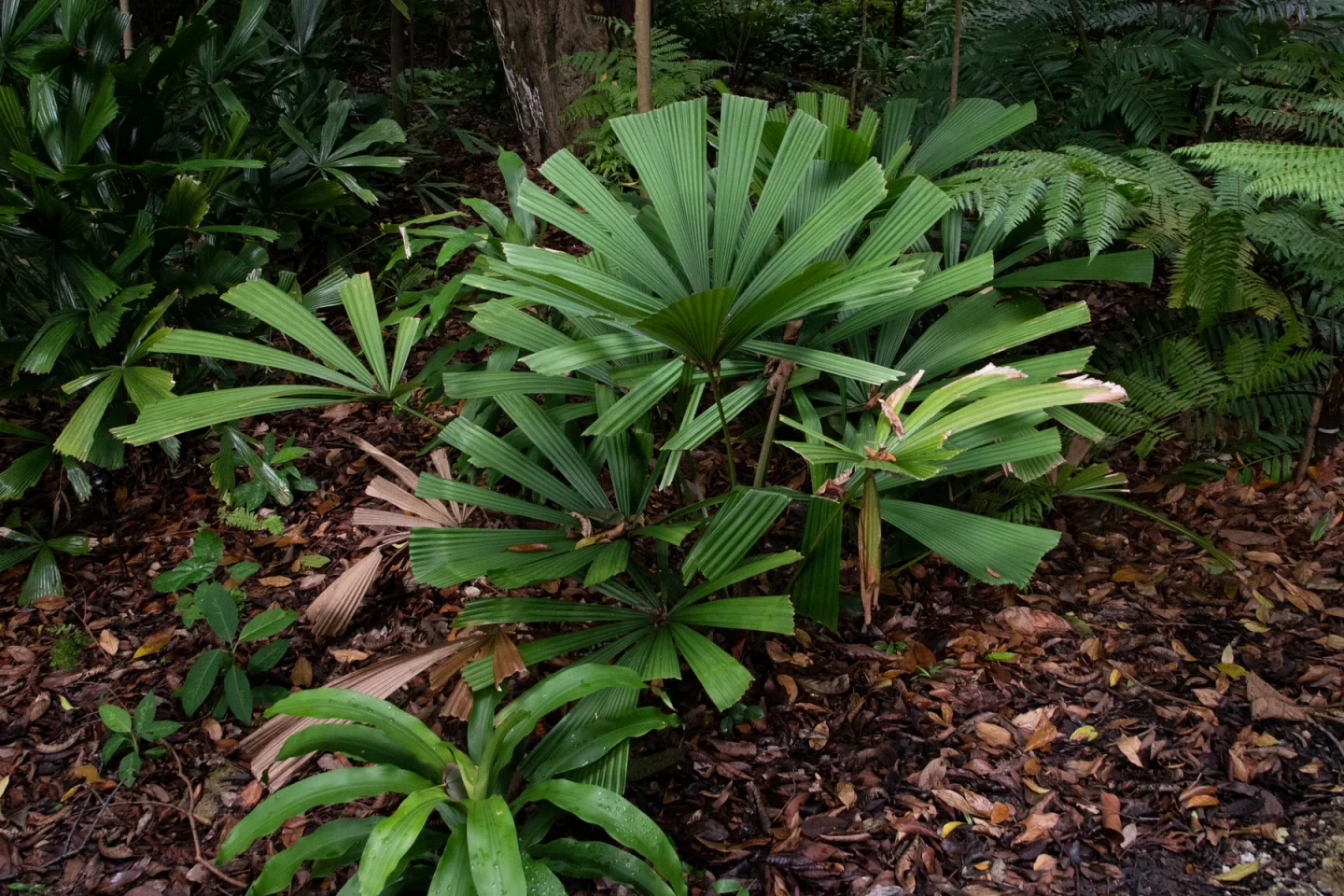
Colour Transformation of the Ferruginous Fan Palm

A new study has shed light on the unusual fruiting behaviour of the Ferruginous Fan Palm (Licuala ferruginea), an endangered understorey native palm. Unlike most flora, a lot of fruits change colour as they ripen. Researchers found that this may serve as a carefully timed signal to specific animal dispersers, including the Cream-vented Bulbul (Pycnonotus simplex). The mature fruits' high sugar content and high-contrast black and purple hues against green forest make them particularly attractive to avian frugivores. The study supports the dispersal syndrome hypothesis that plant characteristics and animal behaviour can co-evolve, and highlights the importance of conserving primary forest interiors where effective seed dispersers continue to thrive.

Ferruginous Fan Palm (Licuala ferruginea)
Fostering Ecological Connectivity

Road networks cutting through natural habitats can pose risks to wildlife. Various measures over the years have strengthened ecological connectivity for native species between our green spaces. A research paper examined how different wildlife crossing structures support mammal movement across Singapore's Central Catchment Nature Reserve. Over nine months, more than 1,100 wildlife crossings were recorded using camera traps and CCTV monitoring, including critically endangered species such as the Sunda Pangolin (Manis javanica) and Raffles' Banded Langur (Presbytis femoralis). The study found that culverts continue to serve as effective passageways for smaller mammals, rope bridges enable arboreal species to cross safely, and fencing measures direct animals towards safer routes, highlighting the value of wildlife crossing structures.

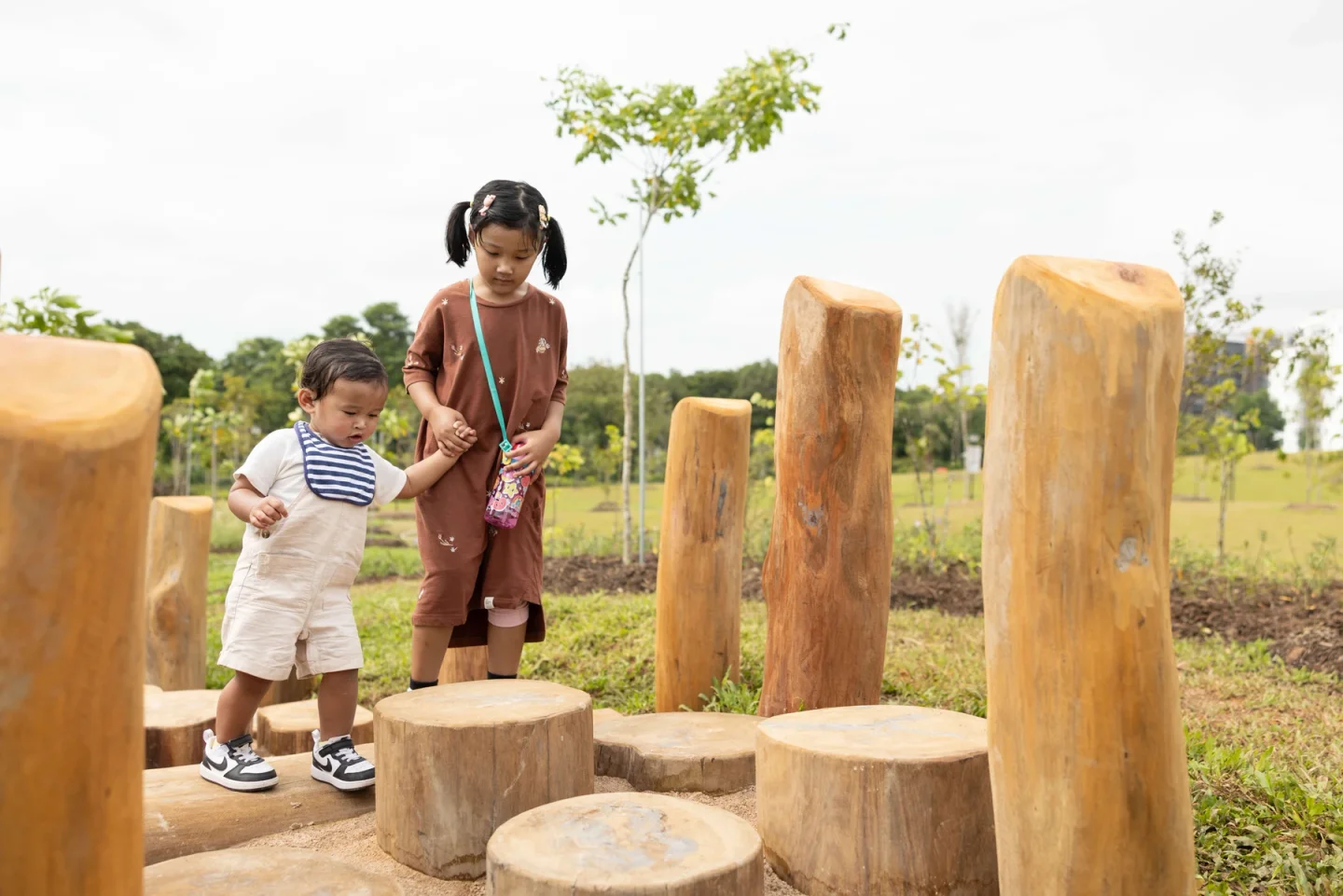
Nature playgardens are designed to foster a child's mental, physical and emotional growth through meaningful interactions with their surroundings.

Supporting Children with Special Needs through Nature Play

A NParks-NUS study examined the benefits of nature-based therapeutic programmes for children diagnosed with Autism spectrum disorder (ASD) and Attention-deficit/hyperactivity disorder (ADHD) in Singapore. Children with ASD showed sustained improvements in emotional regulation, while caregivers reported better mental well-being. Children with ADHD showed reduced hyperactivity and aggression. A practical toolkit has been developed to help professionals incorporate nature play into therapeutic programmes.
Raising Professionalism and Setting Industry Standards

Recognising Landscape Excellence

In 2025, 16 parks and developments that demonstrated strong ecological planning and innovative landscape design and management were awarded Landscape Excellence Assessment Framework (LEAF) certification. These included Mandai Wildlife Group's Rainforest Wild Asia, and Pan Pacific Orchard Singapore that embodies a “Hotel in Nature” concept. NPark's biennial LEAF certification scheme elevates industry standards by establishing clear benchmarks and recognising outstanding achievements in landscape design, construction, and management. Since its launch in 2013, more than 100 public and private projects have been LEAF-certified.

Revised Nursery Land Tenancy Model for New Land Plots

To better support the landscape and orchid nursery industries, NParks revised the tenure structure for new nursery land plots, starting in November 2025. Developed in consultation with industry stakeholders, the change reduces business uncertainty and supports longer-term planning. This complements NParks’ other pro-enterprise initiatives, such as an enhanced tender briefing process and a Temporary Occupation Permit and Certificate of Statutory Completion (TOP/CSC) guidebook and training aimed at helping landscape industry players bridge knowledge gaps and make well-informed business decisions.

Supporting the Landscape Sector

The Landscape and Animal Sector Productivity Grant (LAPG) continues to be a key driver of productivity and technology adoption in the landscape sector under the LSTP. It supports companies in adopting mechanisation and innovative solutions to improve operational efficiency, with about 80 applications received from landscape companies in the current tranche.

Supporting Lifelong Learning

NParks supports SkillsFuture Singapore's annual Fellowship and Employer Awards which recognise skills deepening and mastery, as well as strong lifelong learning commitment by individuals and employers. Since 2018, 12 out of 20 unique nominations endorsed by NParks have received either the SkillsFuture Fellowship or Employer Award, spotlighting industry champions who demonstrate skills mastery and exemplary employment practices.

Upskilling the Industry through Education

NParks-Peter Lim Scholarship

NParks introduced a new merit-based scholarship under the NParks-Peter Lim Scholarship (NPPLS) to recognise students who excel in landscape and animal science-related studies, providing enhanced funding support in recognition of their academic achievements in approved courses. This further nurtures professionalism and encourages environmental stewardship among deserving youths.

In 2025, 27 students received the Merit-Based Scholarship and 192 received the Study Award, with close to S$710,000 in financial assistance.

Collaboration and Partnerships

Collaborating Towards a Sustainable Future

NParks formalised a partnership with Mexico's Ministry of Environment and Natural Resources to advance scientific and technical exchange in coral reef restoration. Areas of collaboration will include assisted natural regeneration, coral propagation and outplanting, restoration of coral structural complexity, and monitoring protocols for ecological recovery.

NParks renewed its MOU with Temasek Polytechnic to strengthen collaboration in support of Singapore's City in Nature vision, spanning joint research and innovation, student development, and staff exchanges. As part of the renewal, NParks representatives visited Temasek Polytechnic's Aquaculture Innovation Centre and Centre for Urban Sustainability, gaining insights into applied research in fish genetics, health management, and sustainable materials innovation.

Sharing Knowledge to Tackle Sustainability Challenges

Representatives from the World Health Organization, Coastal 500, and private sector organisations, among others, were invited to share insights in addressing the biodiversity and climate crises, at the Southeast Asia Conference on Urban Nature-based Solutions, held in June 2025. Co-organised by NParks, the conference was an opportunity for government officials from Southeast Asia to explore how cities can leverage their biodiversity to implement nature-based solutions.

NParks co-hosted the first-ever Southeast Asia Urban Forestry Roundtable in September 2025, together with the Arbor Day Foundation and the International Society of Arboriculture. The event brought together over 40 professionals and representatives from countries in the region to reaffirm commitment to ensuring urban forests and trees are properly maintained and sustainably managed.

NParks and Landscape Industry Association of Singapore (LIAS) to co-organise the Regional Arboriculture Week that saw over 300 attendees from the Asia-Pacific region. In addition to presentations by international and local speakers, participants also attended learning journeys, workshops and a science and technology showcase. An MOU between the International Society of Arboriculture and LIAS, formally recognising LIAS as an ISA Chapter and reaffirming both organisations' commitment to advancing professional standards in arboriculture, was also signed.

Singapore hosted the inaugural ASEAN Flyway Network Communication, Education, Participation and Awareness Learning Forum from 7 to 9 May 2025. Participants gained insights from international partners, as well as exchanged best practices in conservation and engagement.

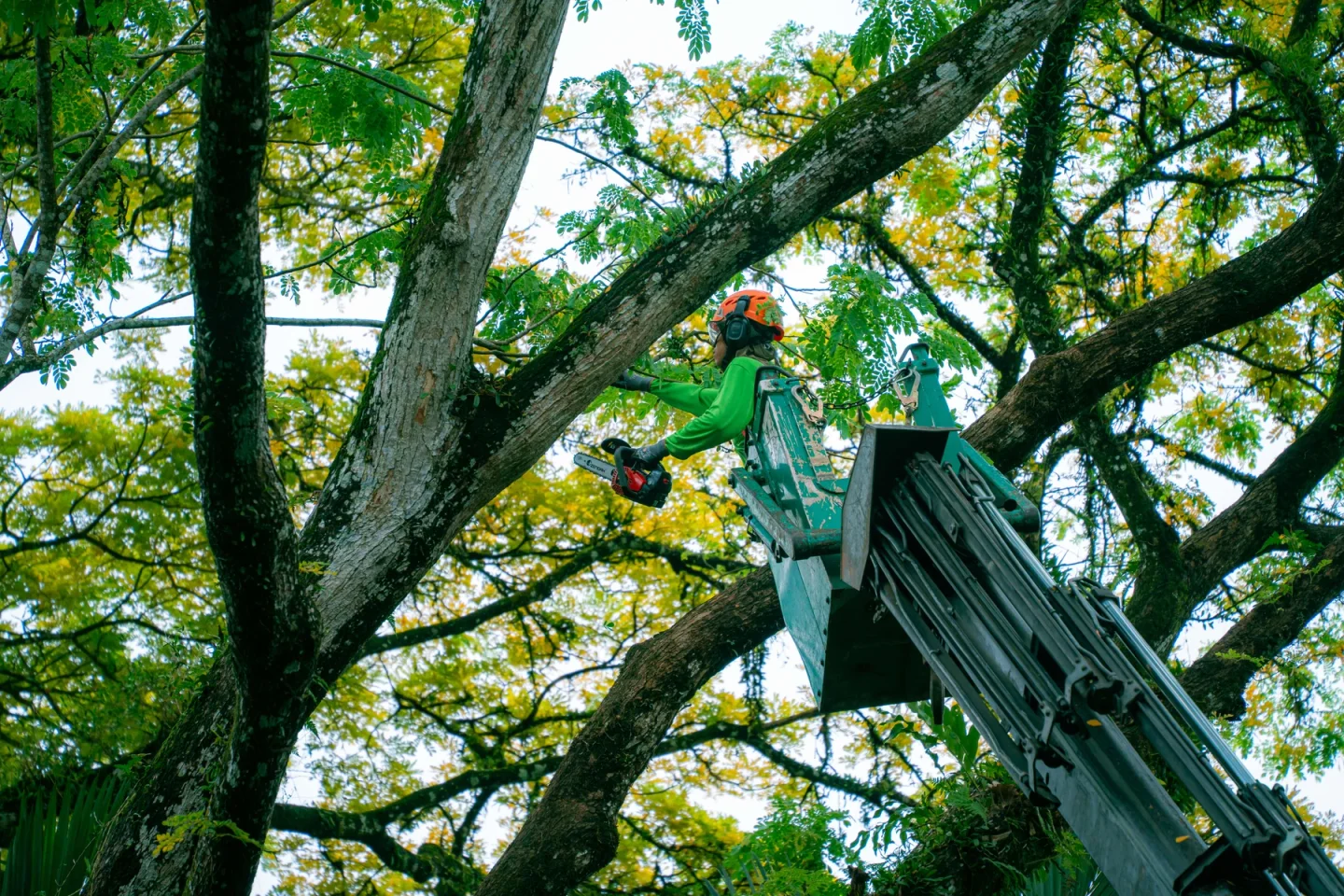
NParks' arborists manage and care for Singapore's millions of trees along roads, in parks and on state land.

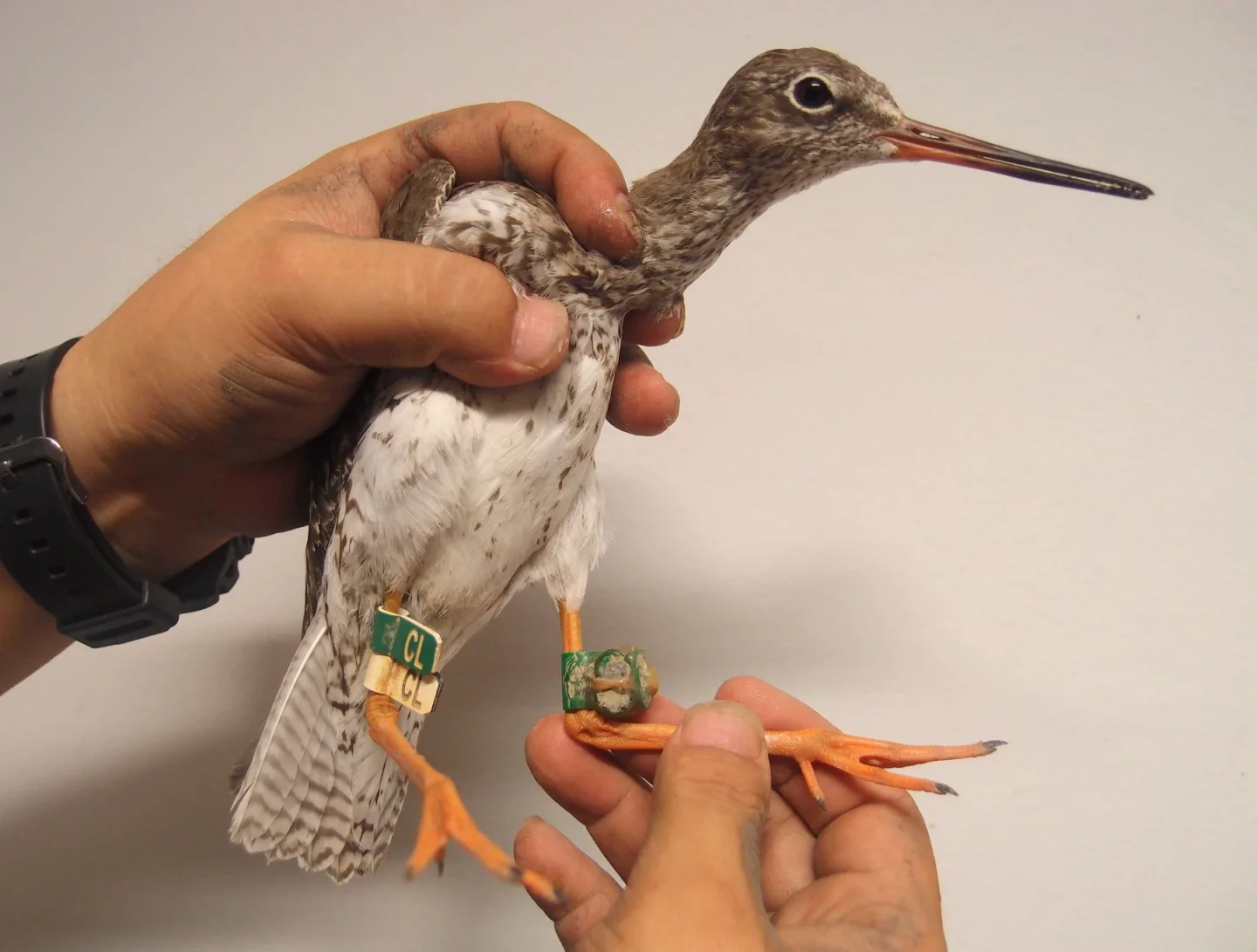
Common Redshank (Tringa totanus)

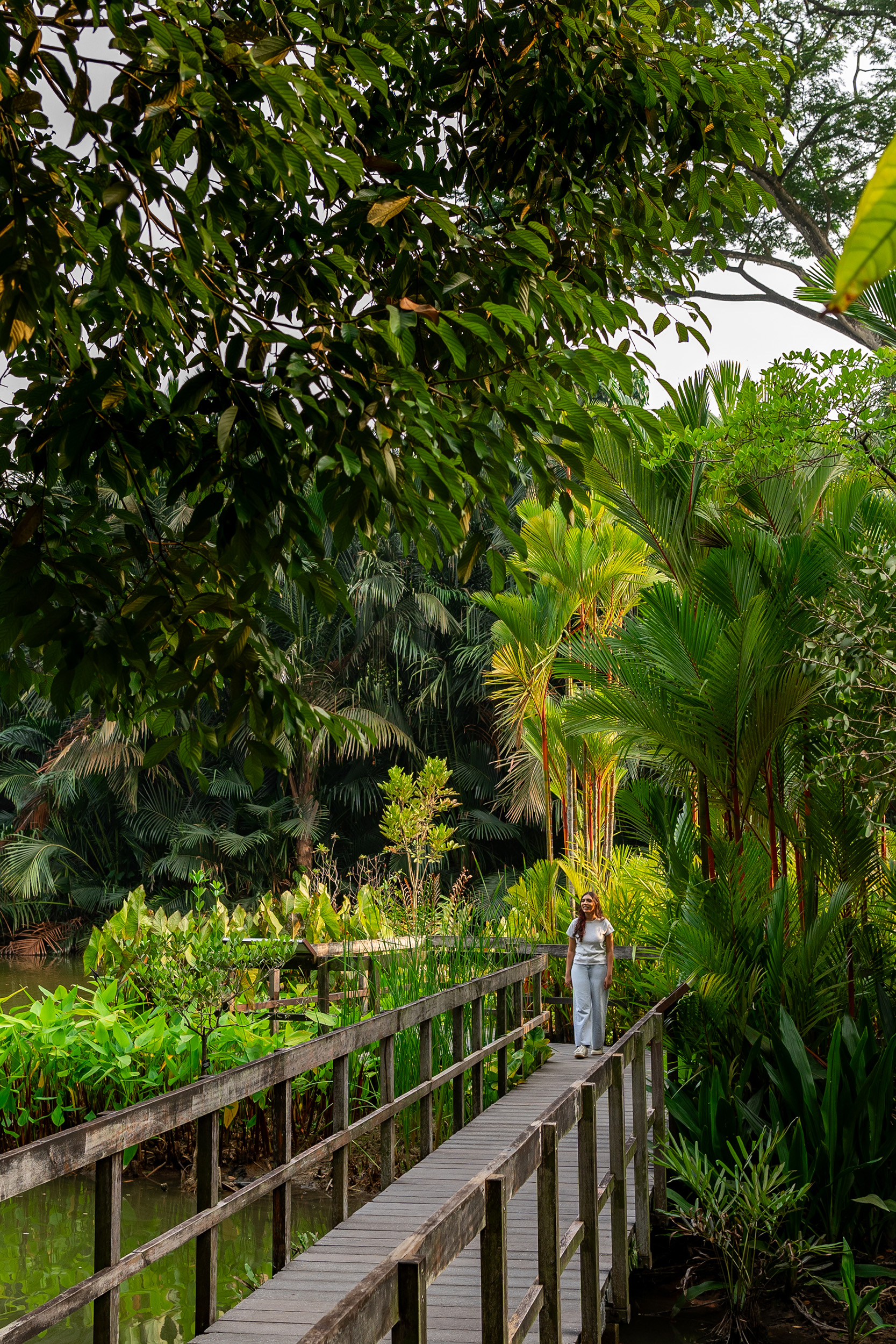
Sungei Buloh Wetland Reserve serves as an anchor ASEAN Heritage Park and vital stopover for migratory birds.

↑