- Conserving nature and biodiversity
- Upholding animal health and welfare
- Strengthening climate resilience
- Cultivating responsible resource use
Transforming Singapore into a City in Nature
Chapter 1
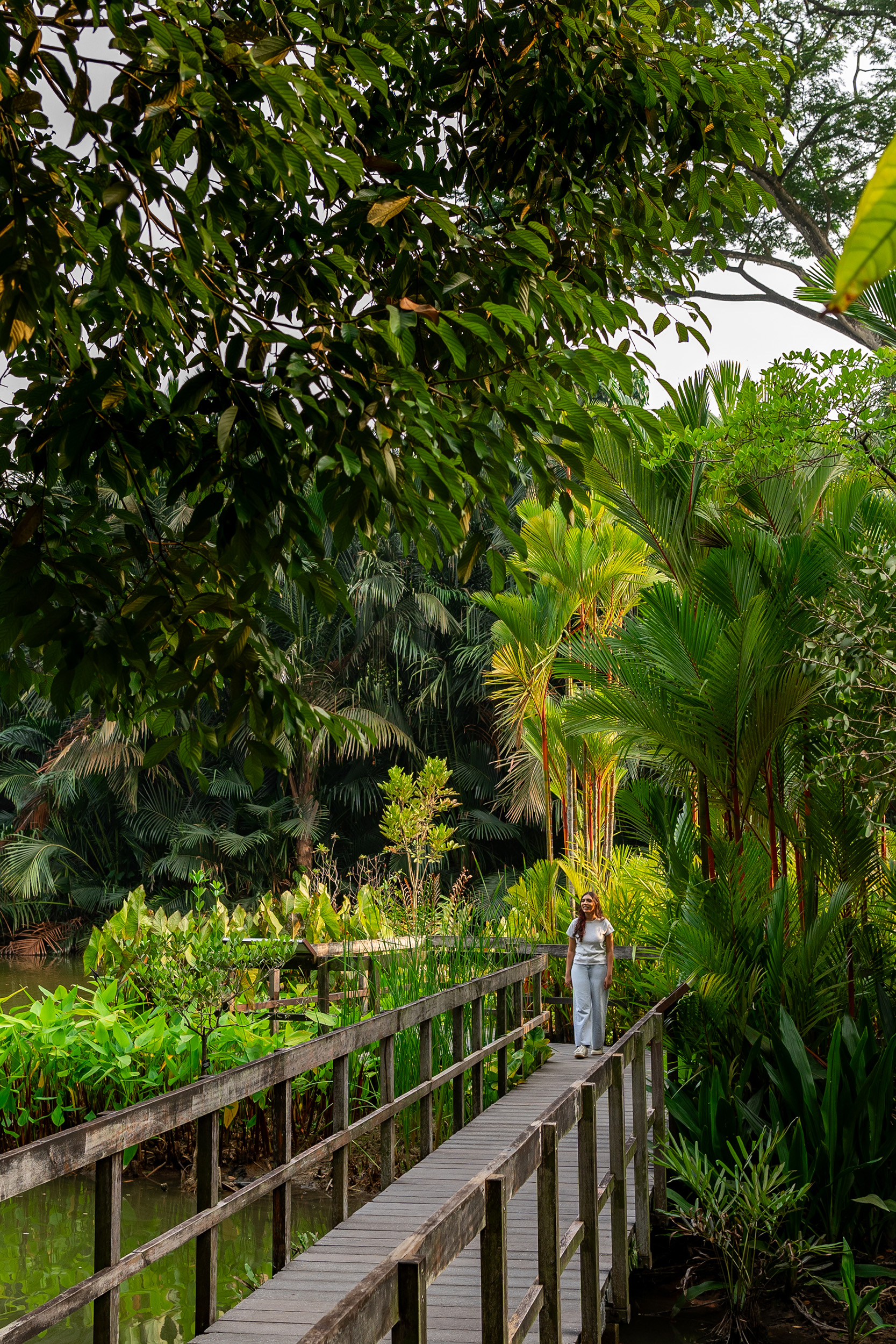
NParks supports the Singapore Green Plan 2030, a whole-of-nation movement to advance our sustainable development agenda, by transforming Singapore into a City in Nature. This vision is challenging, given our land and resource constraints as a city state. In addition, there are challenges posed by climate change, which is driving more frequent severe weather patterns and places increasing pressure on our urban greenery and natural ecosystems.
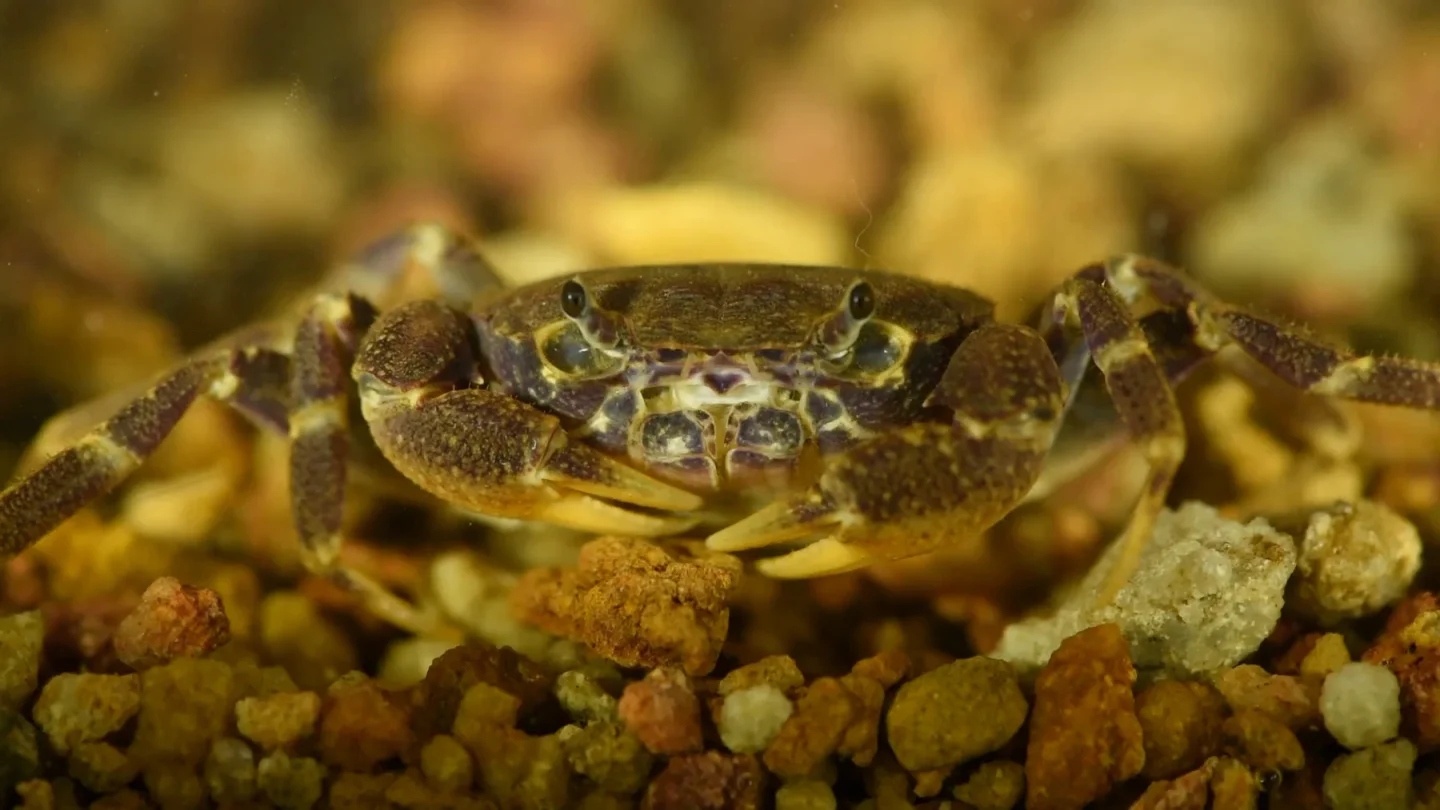
Singapore Freshwater Crab (Johora singaporensis)We adopt an integrated approach to managing our green spaces, ensuring that ecological systems are protected and enhanced over time. This includes advancing biodiversity conservation through habitat restoration and species recovery efforts, alongside initiatives that promote responsible behaviours to support animal health and welfare.
Climate considerations are also embedded into planning and design of green spaces through the expanded use of greenery and nature-based solutions. Resource use is carefully managed by prioritising waste reduction and improving efficiency in energy and water consumption. Together, these support a more sustainable and liveable Singapore for all.
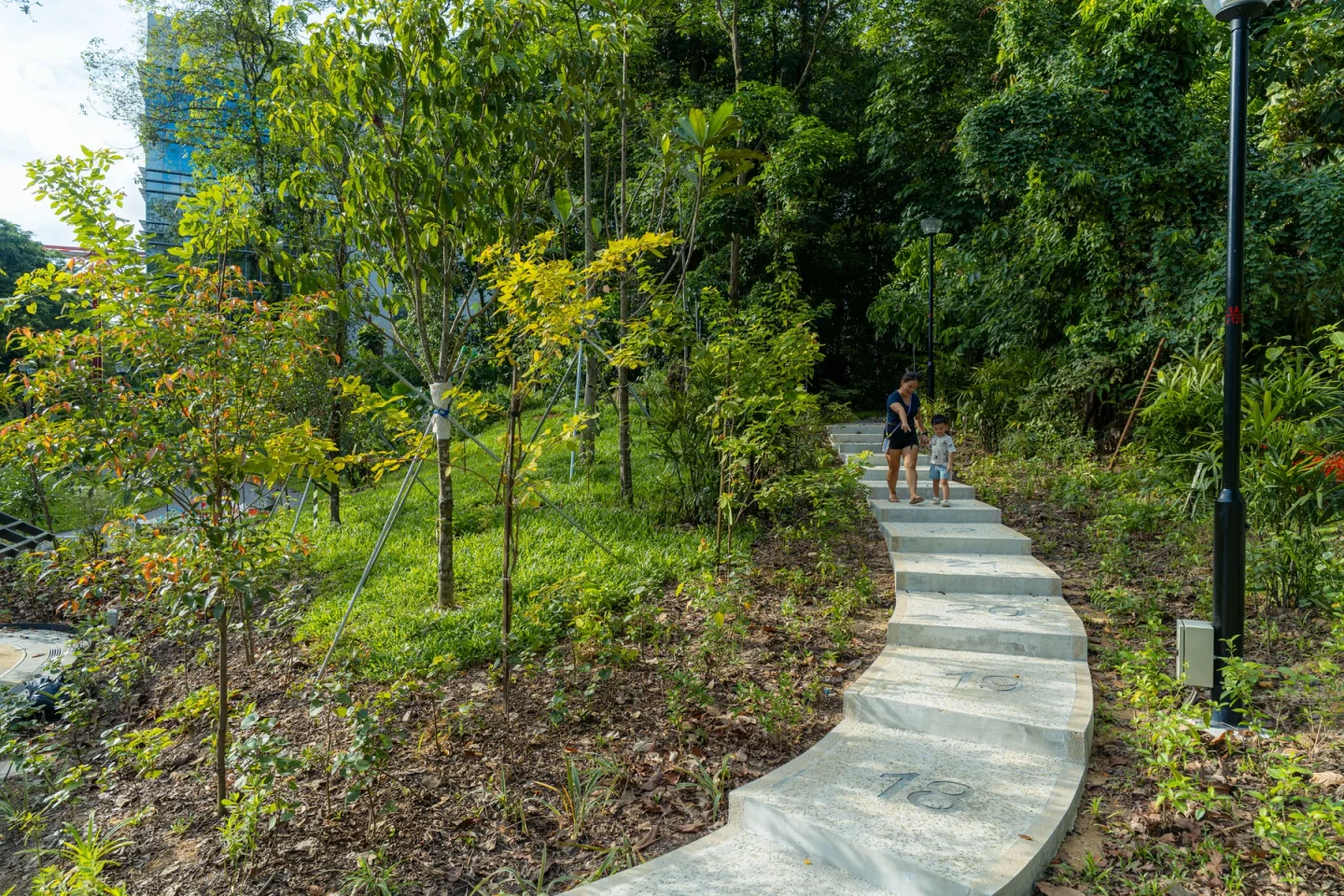
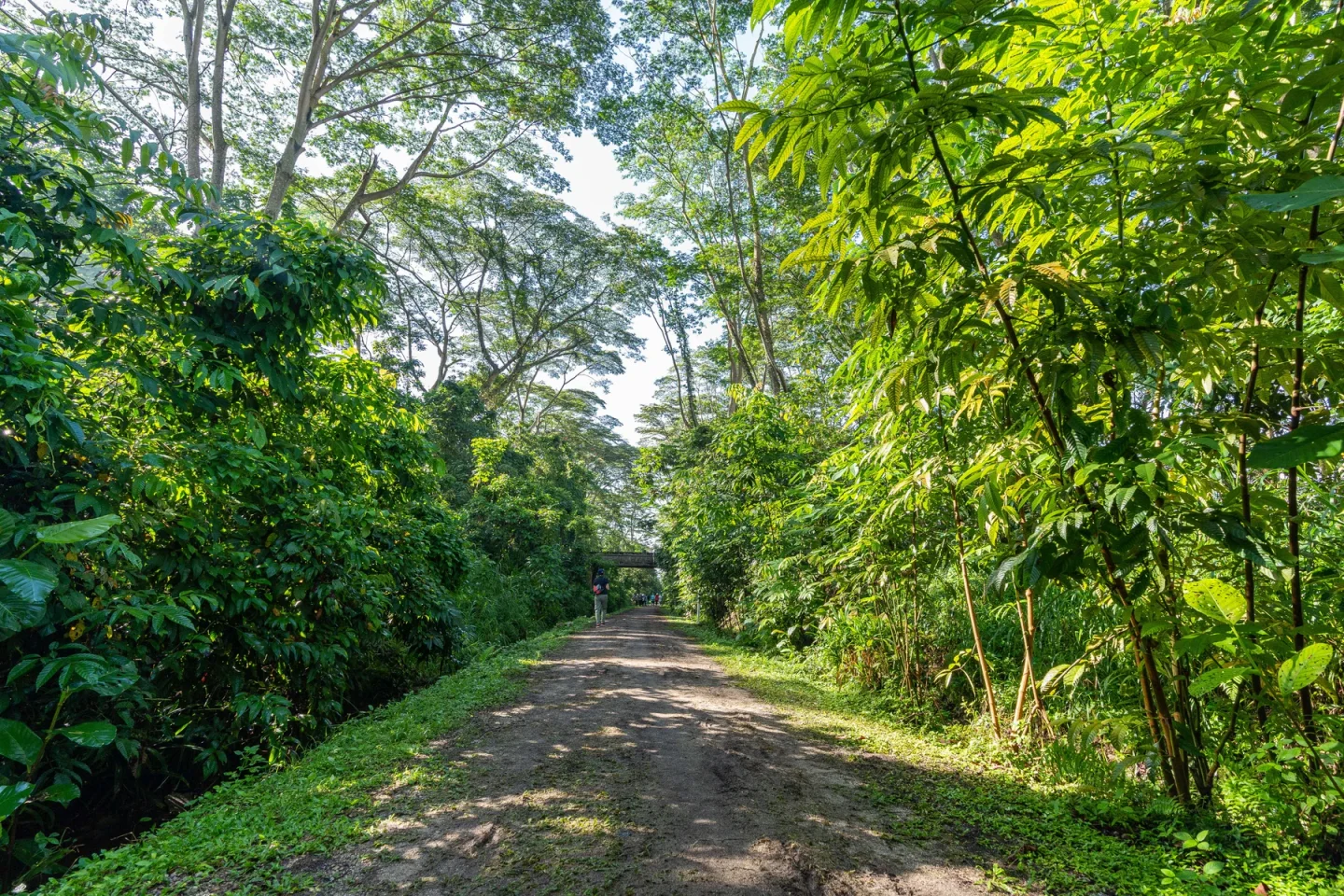
Punggol Heritage TrailMaterial Topic: Nature Conservation
(GRI 3-3, 101-1, 101-2, 101-4, 101-5)
NParks plays a critical role in safeguarding Singapore's natural heritage. We manage approximately 13,430 ha, of which 3,350 ha are nature reserves which are legally protected areas. Our work is centred on:
For more information on locations with biodiversity impacts see Singapore’s 7th National Report to the Convention on Biological Diversity (CBD). These reports are periodic submissions required of all Parties to the CBD under Article 26, reporting national progress against the Kunming-Montreal Global Biodiversity Framework.
Our approach aligns with the Global Biodiversity Framework (GBF) and Singapore’s National Biodiversity Strategy and Action Plan (NBSAP) while our conservation efforts are guided by the Nature Conservation Masterplan (NCMP), with research and partnerships under the Science and Technology Masterplan informing evidence-based policies and decision-making. Our work is guided by five key strategies:
1. Growing Nature Park Networks
Developing nature parks using conservation-focused and science-based approaches.
2. Naturalising Gardens and Parks
Intensifying nature in our new and existing gardens and parks.
3. Restoring Nature in Urban Areas
Planting trees and bringing nature closer to Singaporeans by integrating greenery into the built environment urban spaces.
4. Connecting Green Spaces
Enhancing ecological connectivity.
5. Enhancing Veterinary Care and Animal Management
Applying science- and community-based approaches to balance ecosystems and promote public safety.
These strategies are supported by research, stakeholder engagement, and inter-agency collaboration. Governance is maintained through regular management reporting and oversight by the Science and Technology Steering Committee (STSC) in NParks, chaired by the CEO.
Our biodiversity policies and commitments apply across all areas we manage and flow through to our business relationships via tender specifications and contractor obligations for landscape, construction, and wildlife-management works, as well as our research partners and animal groups.
NParks leads long-term research through the Long-Term Socio-Ecological Research Programme (LTSER), which studies urban biodiversity, ecosystem processes, and socio-behavioural factors. This includes permanent forest plots that support ongoing monitoring of ecosystem and species dynamics. Sites with significant actual or potential biodiversity impacts are identified through Singapore’s biodiversity-inclusive spatial planning system and the Ecological Profiling Exercise (EPE), the first spatial conservation tool incorporated into upstream urban planning under the 2021 Long-Term Plan Review. Where works are in or near nature reserves, nature areas, areas of significant biodiversity, marine and coastal areas, or have potential trans-boundary impacts, an Environmental Impact Assessment (EIA) is required, with findings informing a project-level Environmental Monitoring and Management Plan (EMMP) to be implemented by the contractor undertaking the project. For supply-chain products and services, NParks seeks sustainable sources where practicable (e.g. recycled fallen trees for timber, NEWSand for sand) and applies Whole-of-Government procurement requirements. NParks’ construction tenders require compliance with regulations such as the Environmental Pollution Control Act and impose demerit points for poor earth, dust and pollution controls.
NParks maintains ISO 14001:2015 certification, providing a structured, risk-based framework to manage environmental impacts across biodiversity, land, water, and resources, and to drive continual improvement with progress being tracked through key indicators, including tree planting under the OneMillionTrees movement, nature ways implementation, wildlife monitoring, biodiversity surveys, and public feedback on human-wildlife interactions. Across sites with the most significant biodiversity impacts, biodiversity is addressed upstream through spatial planning, with site-level measures such as narrow-spectrum, warm-temperature lighting near sensitive habitats, noise barriers during construction, phasing of works around bird breeding and migratory seasons, and speed limits in marine channels to limit ship-wake erosion.
Partnering for Biodiversity
Conservation outcomes are shaped by sustained engagement with partners across government, research, industry, and the wider community. This keeps our initiatives science-based and responsive.
Internal Collaborations
Researchers, planners, and operations in NParks come together through workshops and project working groups to set shared objectives, surface synergies, and collaborate on implementation work. This means habitat conservation, urban greening, and species management are pursued with a common direction.
External Partnerships
We work closely with public agencies, including the National Environment Agency (NEA) and the Singapore Food Agency (SFA), and Town Councils, to manage wildlife and facilitate responsible human-wildlife co-existence. These partnerships pool expertise, coordinate responses, and refine shared solutions.
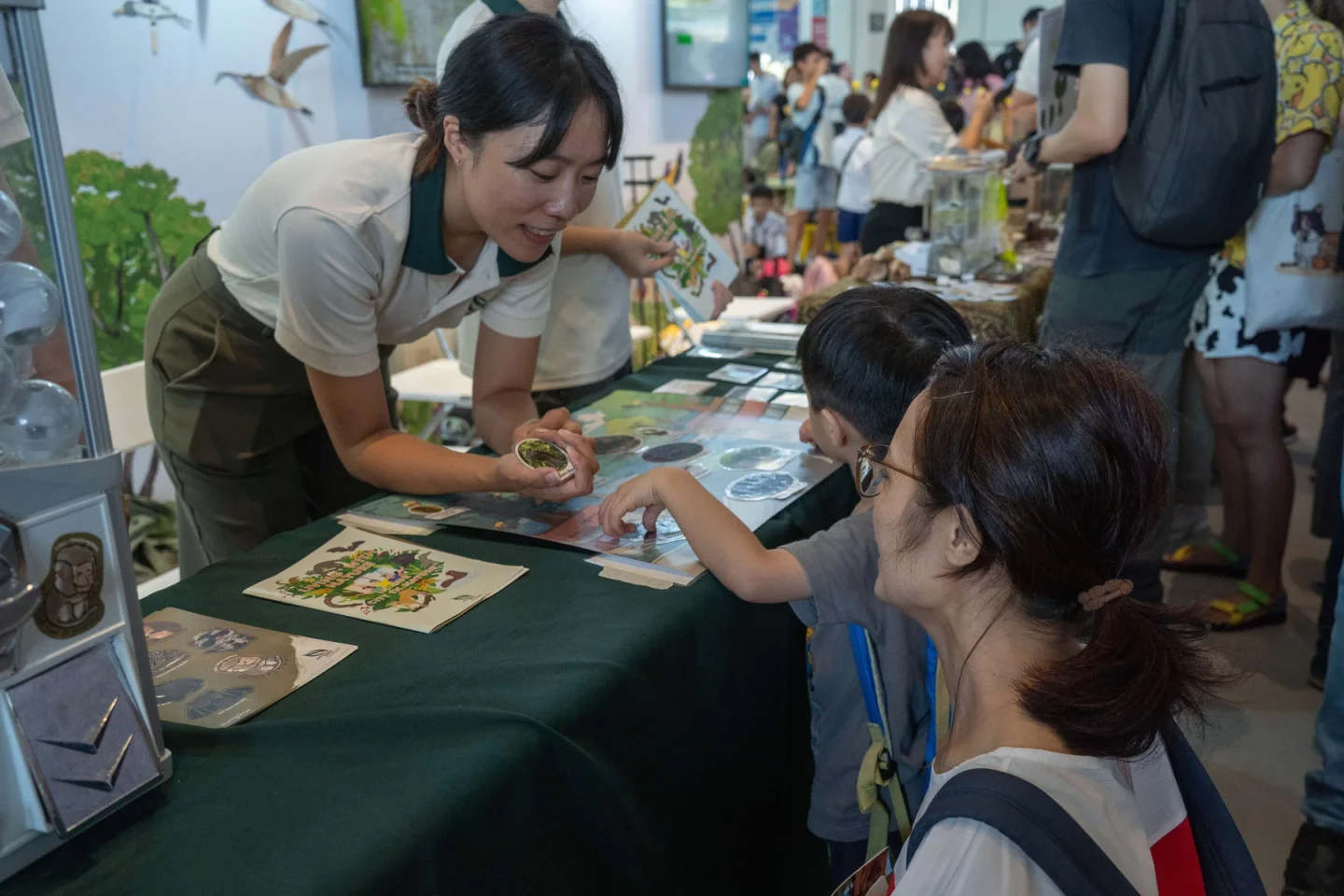
Partnerships with community and nature groups remain central to conservation success. Platforms such as the Biodiversity Roundtable and our dedicated working groups on macaques and otters bring nature groups, academics, and residents into the conversation on managing Singapore’s wildlife. We complement these with outreach programmes, including workshops, guided walks, and citizen science initiatives that build biodiversity literacy and create meaningful opportunities for the community to take part in conservation on the ground.
Habitat restoration and enhancement is similarly delivered in partnership with the community; Friends of the Parks groups, Community in Nature schools, OneMillionTrees movement volunteers, and corporate partners contribute to planting, and ongoing monitoring across our restoration sites. Such collaborations allow our conservation efforts to evolve with new science, new partners, and changing community expectations.
Looking ahead, we will continue to scale up habitat enhancement and restoration, working towards our goal of doubling restored forest, marine and coastal habitats from 40 to 80 ha by 2030, while continuing to expand and connect our green spaces island-wide.
The City in Nature targets presented in the table below contribute to conserving and extending our natural capital.
| City in Nature Targets2 3 | Cumulative progress to end of FY2025 | Cumulative progress to end of FY2025 | |
|---|---|---|---|
| Conserving and extending our natural capital | |||
| 1 | Add 200 ha of new nature parks by 2030 [NT 12.1 / KMGBF T12] | 72 ha4 | 36% |
| Intensifying nature in our gardens and parks | |||
| 2 | Enhance around 170 ha of existing parks with more lush vegetation and natural landscapes by 2026 | 104 ha4 | 61% |
| 3 | Restore and enhance 80 ha of forest, marine and coastal habitats by 2030 [NT 2.1 / KMGBF T2] | 60 ha | 75% |
| Restoring nature into the urban landscape | |||
| 4 | Plant 1 million more trees between 2020 and 2030 [NT 12.2 / KMGBF T12] | 855,000 | 86% |
| Strengthening connectivity between our green spaces | |||
| 5 | Develop 500 km of park connectors by 2030 [NT 12.5 / KMGBF T12] | 424 km | 85% |
| 6 | Develop 300 km of Nature Ways by 2030 [NT 12.8 / KMGBF T12] | 260 km | 87% |
| 7 | 100% of households will be within a 10-minute walk from a park by 2030 [NT 12.7 / KMGBF T12] | 96% | – |
- Square brackets show each target’s Singapore National Target (NT) reference number from the 7th National Report to the CBD, and the corresponding Kunming-Montreal Global Biodiversity Framework (KMGBF) target it contributes to. 2020 is the common base year.
- The targets to develop over 130 ha of new parks by 2026 and to establish 200 ha of skyrise greenery by 2030 have been achieved, as reported in the prior year.
- The nature of park/garden development (and re-development) is such that the completion tends to be uneven. Thus, these targets may not show significant year-on-year increments.
Year in Review
Completing Biodiversity Survey of Southern Islands
In the reporting year, the Southern Islands Biodiversity Survey was completed, culminating in the first comprehensive biodiversity database of this area. As one of the most extensive databases for small island archipelagos in the region, the survey collated over 30,000 biodiversity records spanning about 1,500 flora taxa and 5,000 fauna taxa. The findings underscore the rich biodiversity supported by the Southern Islands’ terrestrial and marine ecosystems.
NParks also established a Singapore Species Specialist Group comprising taxonomic experts, specialists and authors across the fields of academia, civil society and government. The group is part of the International Union for Conservation of Nature and is one of 10 national species specialist groups worldwide. This will strengthen the assessment of species’ local conservation status and bolster biodiversity conservation efforts. These were announced during the 14th edition of the Festival of Biodiversity held on 31 May and 1 June 2025 at the Central Public Library.

The Festival of Biodiversity brought together some 30 booth partners from nature groups and schools, drawing more than 21,000 visitors, highlighting the community's shared stewardship of our natural environment.
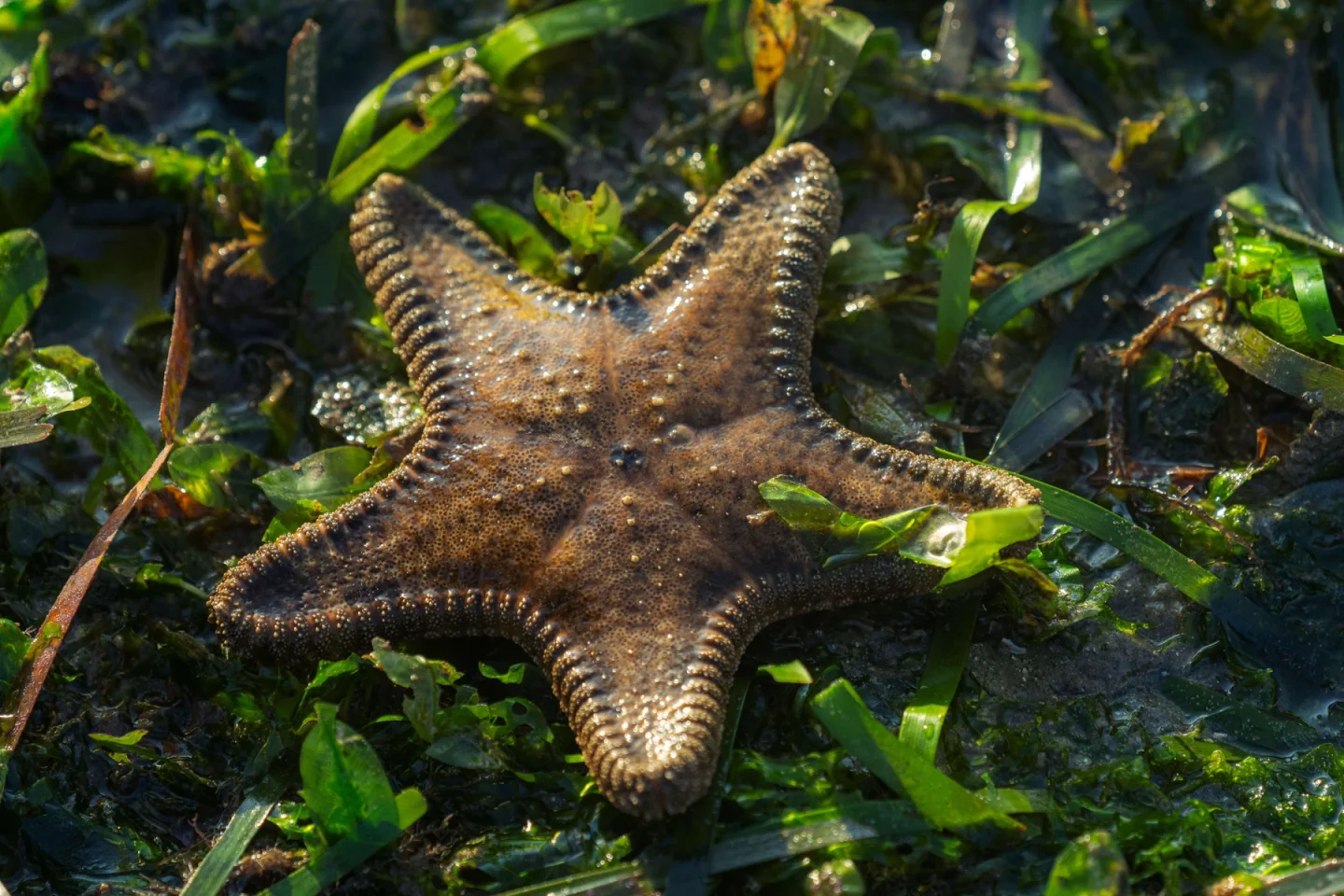
Biscuit Sea Star (Goniodiscaster scaber)Stepping Up Efforts in Species Recovery
As of 2025, NParks has conducted 86 species recovery initiatives with 22,000 plants from 68 species having been propagated ex-situ and planted out, with ongoing monitoring showing positive establishment. Population genetic studies are also underway for four plant species to better understand and guide conservation measures.
In the area of marine species recovery, the coral culture facility on St John's Island, which opened on 7 April 2025, has since transplanted its first batch of reared corals into Sisters' Islands Marine Park, bolstering the resilience of Singapore's reefs through the 100k Corals Initiative.
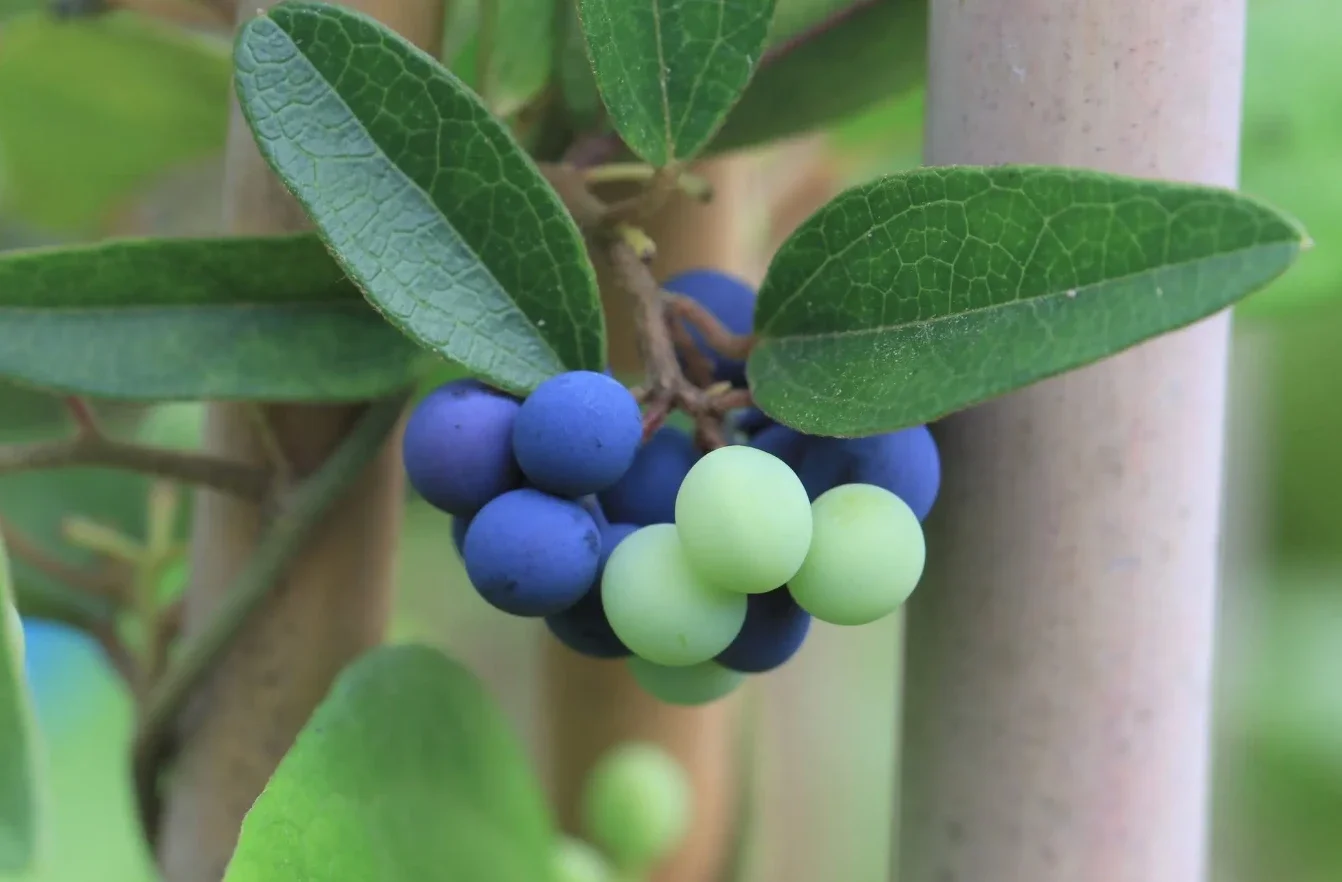
Queen Coralbead (Nephroia orbiculata)Only male plants of the native Queen Coralbead (Nephroia orbiculata) existed in cultivation, and were originally found on Coney Island in 2015. In 2025, female plants were located, enabling propagation of this plant and its reintroduction to various parts of Singapore.
Enjoying New Green Spaces
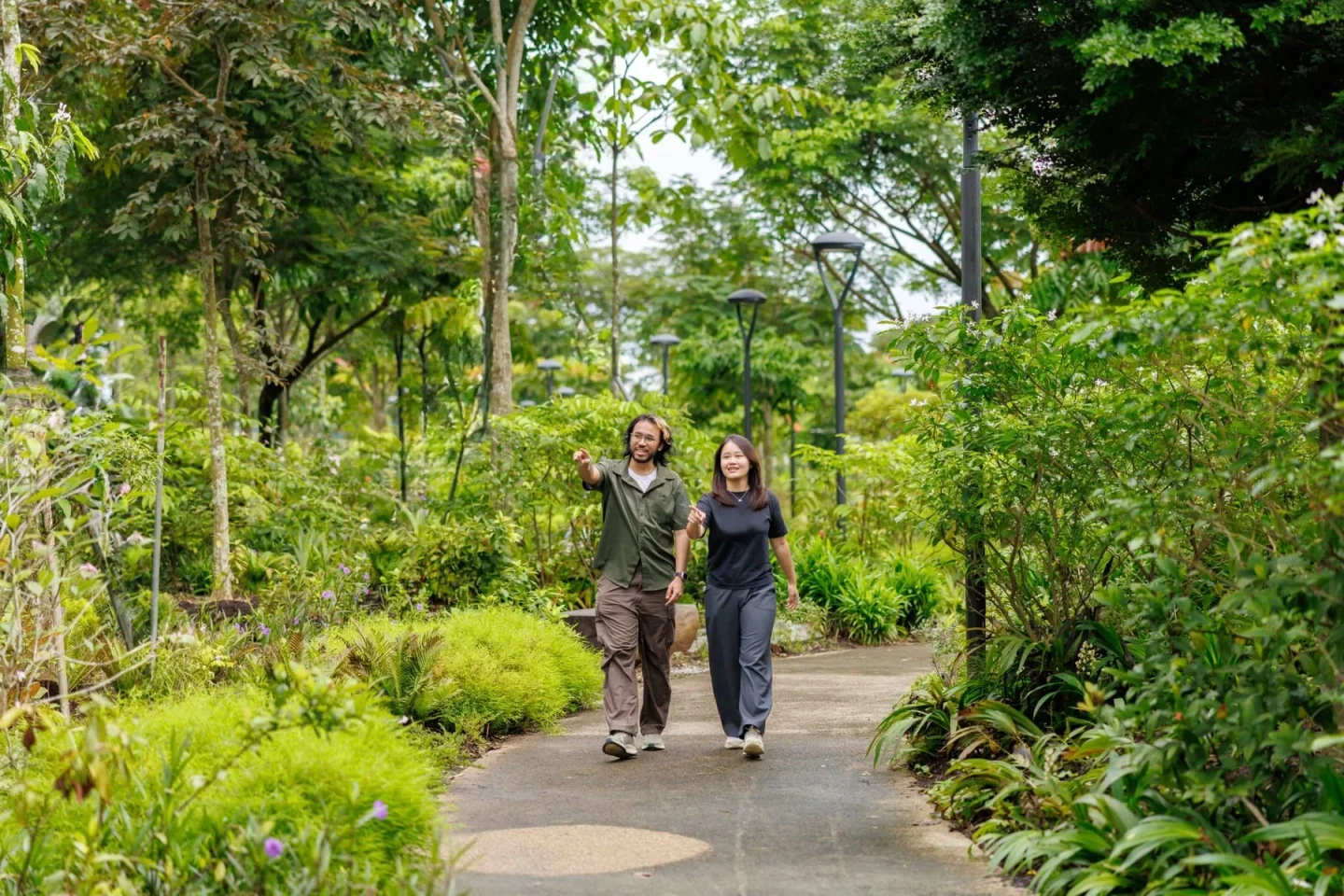
The first 400 m stretch of the Punggol Heritage Trail that runs from Punggol North Avenue to Campus Boulevard opened to the public on 23 August 2025. This trail retains much of the character of the former Old Punggol Road, including its undulating terrain, coastal forest habitat and mature greenery, inviting visitors to rediscover the area’s rich natural and cultural heritage.
Residents looking to be refreshed by nature can now visit Compassvale Walk Park in Sengkang North. This tranquil green space also houses a therapeutic garden, the 18th in our growing network, bringing Singapore closer to our target of 30 therapeutic gardens by 2030.
King’s Road Park is another green area shaped by residents’ feedback, sought through engagement sessions held in 2024. The park features a nature play area and playground for inclusive play nestled around a multi-tiered planting scheme of trees and understorey species that provides shade and attracts fauna. And in the west, a 2.13 ha section of Bulim Park was opened, offering nearby residents a green space for recreation and functioning as a welcome respite for workers from the upcoming Jurong Innovation District.
Yishun Avenue 1 Park Connector was opened on 8 February 2026, providing safer access for cyclists across Yishun Dam. The new park connector was widely shared on social media amongst an appreciative cycling community. The project was unusual as it involved construction of a park connector across a dam with existing infrastructure and encumbrances. NParks had to overcome various technical challenges in the design and development works.

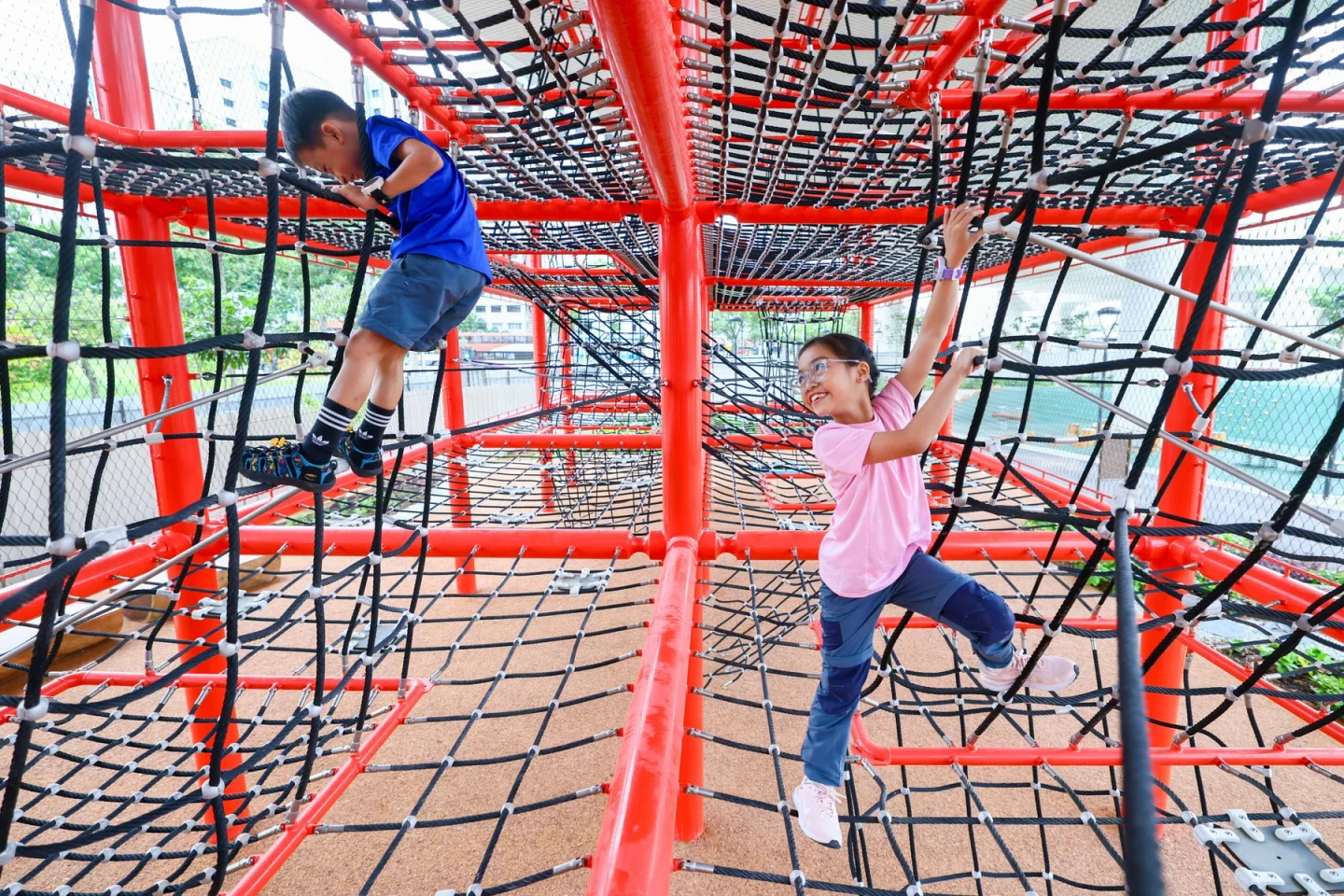
The three-storey net playground in Bulim Park features climbing nets, rope bridges and a slide for children.
Bulim ParkIntensifying Conservation Efforts on Ubin
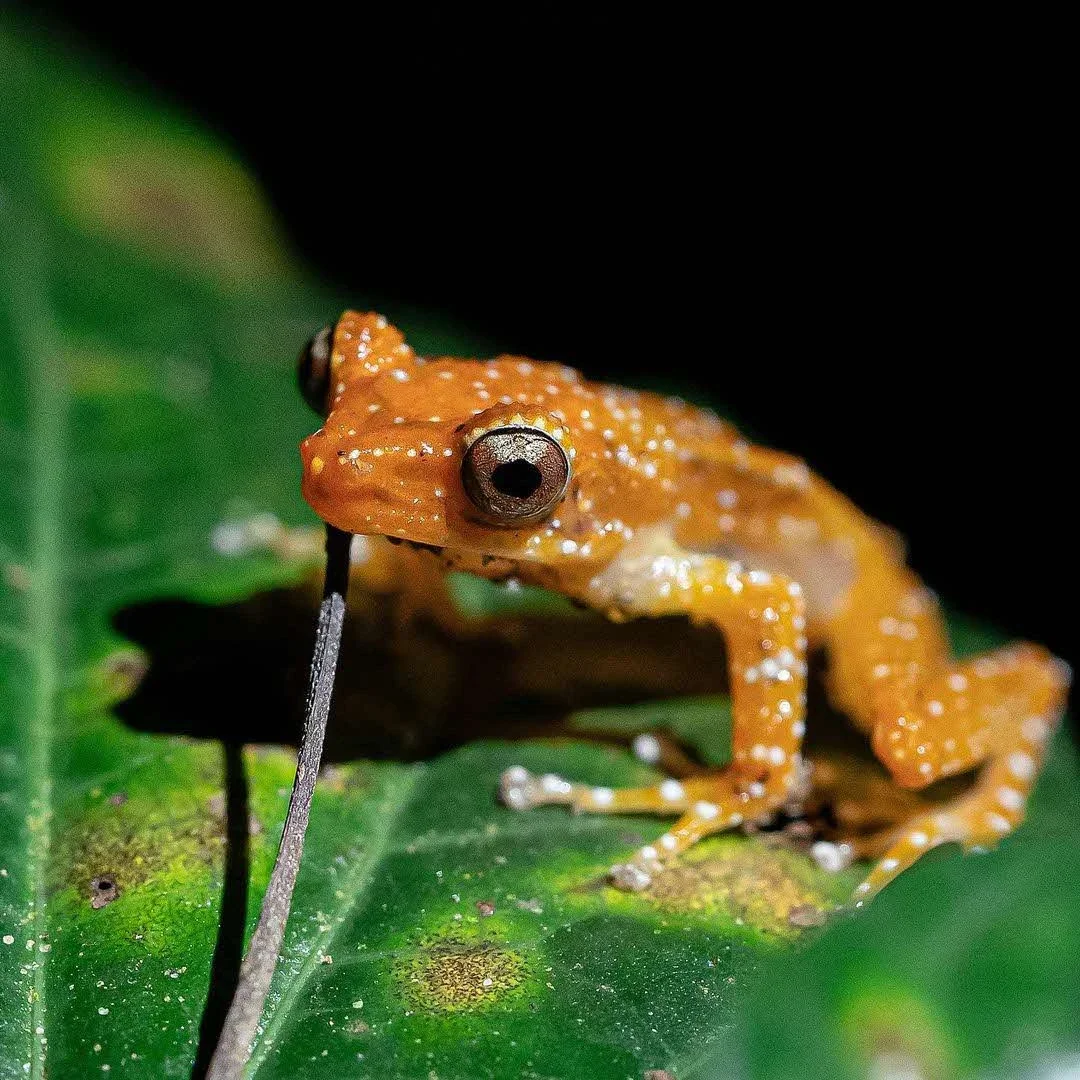
Eggs and tadpoles of the Cryptic Painted Frog (Nyctixalus crypticus) were collected from mainland habitats and translocated to suitable sites on Pulau Ubin, where an adult population has now become established and successful breeding has been documented. This is an encouraging early indication that the island may be a suitable habitat for this vulnerable species to be established outside of mainland Singapore.
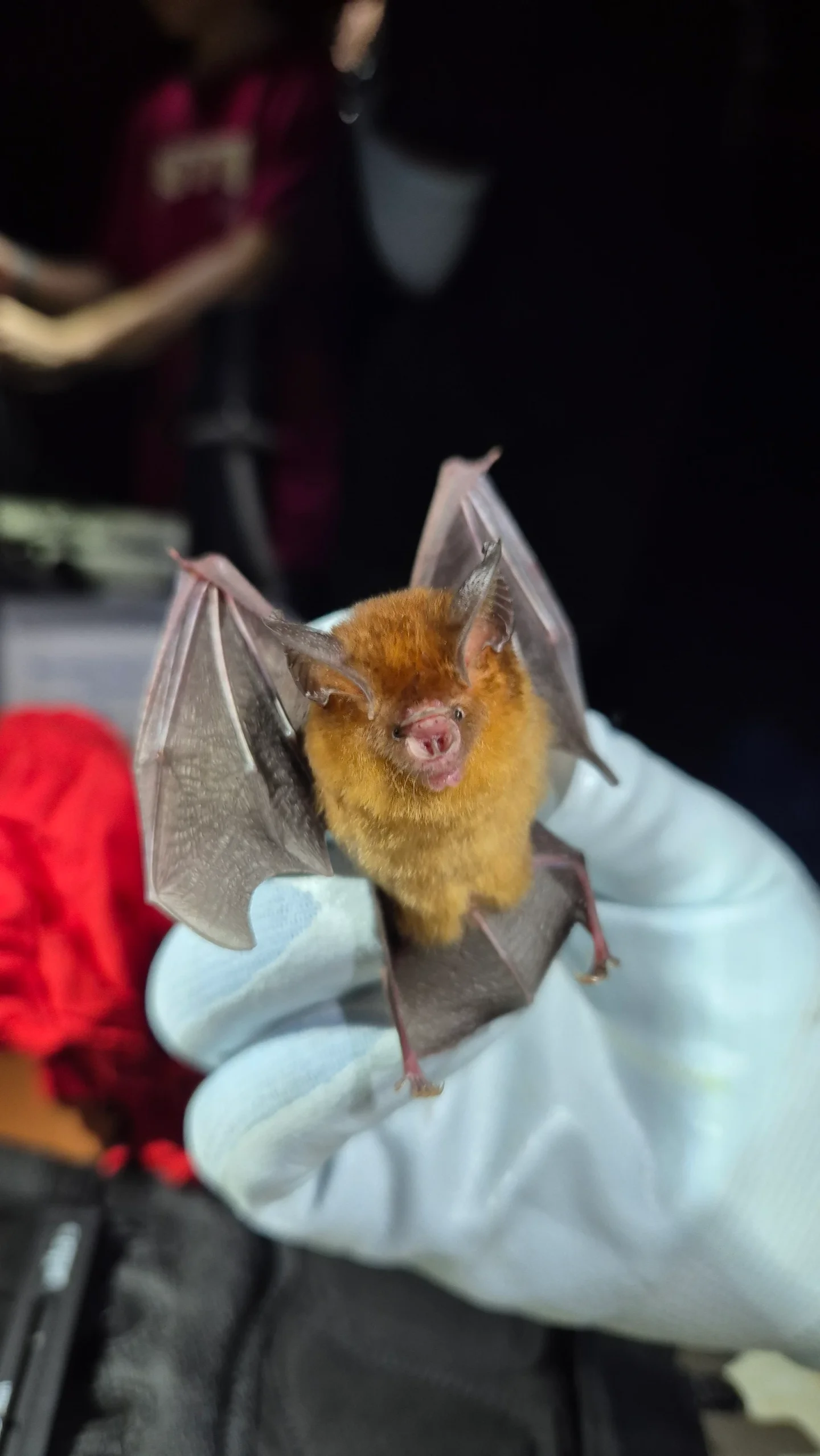
This year’s bat survey on the island uncovered a substantial subterranean roost of the critically endangered Ashy Roundleaf Bat (Hipposideros cineraceus). With more than 100 individuals recorded, this is one of the largest known roosts of the species on the island. The survey also recorded a doubling of the Lesser False Vampire (Megaderma spasma) population to 510 bats since the last census in 2019, pointing to a healthy bat community in Pulau Ubin’s forests.
Cryptic Painted Frog (Nyctixalus crypticus)
Ashy Roundleaf Bat (Hipposideros cineraceus)Greater Mouse-deer Population Recovery
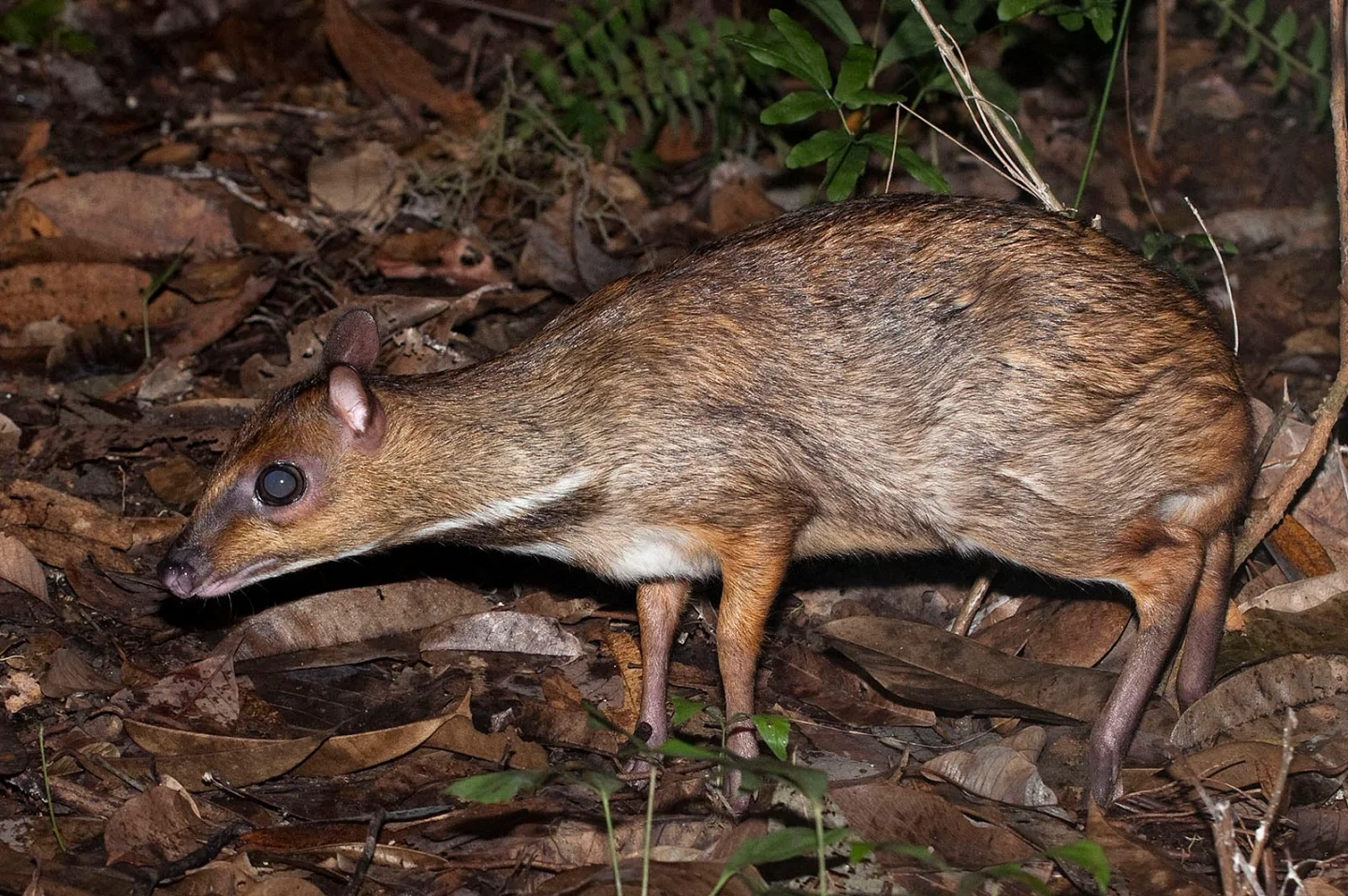
A study on the Greater Mouse-deer (Tragulus napu) on Pulau Ubin has revealed a fivefold increase in population density following the 2023 African Swine Fever outbreak that eliminated more than 98% of wild boars. Using 42 camera traps in a 300 m-spaced grid across the island, the study deduced that a reduction in competition and predation pressure due to the wild pig mortality enabled rapid mouse-deer population growth. Simultaneously, ongoing habitat restoration efforts including reforestation using native plant species such as the Critically Endangered Singapore Kopsia (Kopsia singapurensis), Pauh Damar (Mangifera pentandra) and Sea Trumpet (Cordia subcordata), will help support their population.
Greater Mouse-deer (Tragulus napu)Pulau Ubin is Singapore's stronghold of the Critically Endangered Greater Mouse-deer (Tragulus napu), which was rediscovered there in 2008 after an absence of more than 80 years from the city state.

Singapore’s green spaces are more than just places to relax – they are vital for supporting biodiversity and our City in Nature vision.
Strengthening Ecological Value of Green Spaces
Over 500 members of the public conducted more than 50 Invasive Species Management sessions in Bukit Timah Nature Reserve, its surrounding nature parks and the Rail Corridor. Many of these sessions were led by community partners such as Friends of Bukit Timah Forest, Nature Society Singapore, and NUS ToddyCats, focusing on the removal of invasive species that can smother native vegetation and disrupt forest ecosystems.
In addition, NParks carried out habitat restoration and enhancement works at 21 parks, including Springleaf Avenue Playground and Leban Park. These efforts strengthen the ecological value of the green spaces embedded in our residential areas, supporting the restoration of habitats and enabling native flora and fauna to thrive.
In the reporting year, NParks implemented 20 km of new nature ways across Benoi, Mandai, and Upper Changi, among others, bringing the total length of completed nature ways to date to 260 km. These planted roadside corridors of native trees and shrubs function as ecological stepping stones, supporting the movement of wildlife across our urban landscape.
Meanwhile, the upcoming Kranji Nature Corridor will expand the network of nature corridors – alongside those at Lornie, Bukit Batok, Clementi and Khatib – that strengthens connectivity between the Central Catchment Nature Reserve and the future Mandai Mangrove and Mudflat Nature Park. It will serve as both a wildlife movement pathway and a recreational green space, increasing the range of nature-based recreation spaces available to residents while supporting biodiversity conservation of our City in Nature.
Material Topic: Veterinary Standards and Animal Management
(GRI 3-3)
The Animal & Veterinary Service (AVS), a cluster within NParks, is the main touch-point for animal-related issues, as well as the first responder for animal-related feedback.
Urbanisation poses potential challenges, including pressure on wildlife, increased human-wildlife and human-animal encounters, disease risks, and ecosystem imbalance. In this context, ensuring animal health and regulatory oversight of animal-related sectors are key to maintaining ecological integrity and safeguarding public health and safety. NParks manages these through a coordinated, science- and community-based approach, integrating regulation, veterinary services, animal rehabilitation, and wildlife management.
Strategic Framework and Governance
We administer the Animal and Birds Act, the Wildlife Act, and the Endangered Species (Import and Export) Act, which cover animal health, animal welfare, animal-related sectors and wildlife management. Regulations and license conditions are reviewed regularly under a risk-based approach and updated in line with international standards and emerging animal health risks.
NParks also jointly developed the Biosurveillance Framework with partner One Health agencies including the Communicable Diseases Agency (CDA), the National Environment Agency (NEA), Singapore's National Water Agency (PUB), and the Singapore Food Agency (SFA), supporting early detection and coordinated response to potential health threats. Wildlife management strategies follow evidence-based, humane methods through a four-pronged approach of population ecology, population management, public education, and community stewardship. These are aimed at balancing ecosystems and safeguarding public health and safety, including managing non-native species to reduce public disamenities.
Operational Management
Our Animal and Wildlife Management approach establishes protocols for animal welfare, disease management, biosurveillance, emergency response, rescue and rehabilitation, and human-wildlife conflict management, underpinned by a One Health approach. On the wildlife side, this spans urban wildlife management, wildlife rehabilitation and veterinary care, and wildlife population monitoring and research.
Four dedicated facilities anchor day-to-day operations: the Centre for Wildlife Rehabilitation, Singapore's national wildlife rehabilitation facility, provides veterinary care and rehabilitation for injured, sick, displaced and confiscated wildlife, while supporting conservation, biosurveillance, wildlife management research and wildlife crime enforcement; the Centre for Animal Rehabilitation, Singapore's first facility for animal behaviour rehabilitation, prepares free-roaming dogs for rehoming through the Trap-Neuter-Rehome/Release-Manage programme; the Animal Management Centre triages and cares for lost pets and community animals, reunites microchipped and licensed pets with their owners; and the Centre for Wildlife Forensics, Singapore’s first national facility for wildlife forensics, utilises science and technology to investigate cases of illegal wildlife trade.
We invest in veterinary capability and biosecurity capacity so we can respond effectively across the full spectrum of animal and wildlife issues, with continuing focus on expanded research and monitoring, advanced wildlife conflict mitigation, and improved disease surveillance.
Partnership and Community Integration
We work with industry players, veterinary professionals, fellow agencies, and the community to deliver consistent standards on the ground. Through the Trap-Neuter-Rehome/Release-Manage programme, NParks partners animal groups in managing free-roaming dogs and community cats, with engagement sessions held with community cat caregivers following rollout of the Cat Management Framework. The Dog Training Standards Workgroup brings together the dog training industry, the Singapore Veterinary Association, animal groups and military working dog units to co-create advisories, guidelines and codes of practice. For the annual korban event, NParks works alongside SFA, Majlis Ugama Islam Singapura and the community to safeguard the welfare of imported animals through transport, unloading and slaughter. Public awareness and education programmes, including signature events such as Pets' Day Out and Singapore Specials Day, school programmes and youth-targeted content, build shared responsibility for animal welfare and safe human-wildlife encounters.
Through Our Wild Neighbours, a multi-stakeholder outreach initiative launched in 2022, we seek to promote safe and responsible encounters with wildlife in Singapore, empower members of the public with wildlife etiquette knowledge, and educate the public about ongoing rescue, rehabilitation and release efforts.

Year in Review
Raising Standards in the Pet Industry
AVS continues to work with partners to raise standards across the pet industry. To support humane and effective dog training, an advisory on the use of dog training devices has been developed. Co-developed by the Dog Training Standards Workgroup, co-chaired by AVS and the Society for the Prevention of Cruelty to Animals, the advisory provides science-based guidance on training methods, including the responsible use of higher-risk aversive tools such as electronic shock and prong collars.
Industry competencies are also being strengthened through training and knowledge-sharing initiatives. In September 2025, in-person seminars were conducted for over 400 industry professionals, featuring experts from Dogs Trust UK. This was complemented by a webinar on avian behaviour conducted by a parrot behaviour consultant and attended by more than 160 participants.
Establishing the Veterinary Practice Bill
AVS launched a public consultation on the proposed Veterinary Practice Bill at the end of 2025, drawing feedback from over 100 respondents. The Bill, introduced in Parliament in March 2026, provides greater assurance that veterinarians will meet established professional standards and can be held accountable for their practice, while supporting the continued development of the veterinary sector. Alongside the Bill, the new Veterinary Therapeutic Guidelines, jointly developed with the Singapore Veterinary Association, set out a framework for veterinarians and pet owners on conventional and non-conventional therapies.

The Veterinary Practice Bill provides the legal foundation for the Veterinary Council, a new professional body that has been established to regulate and uplift professional standards in Singapore’s veterinary sector.
Promoting Responsible Cat Care
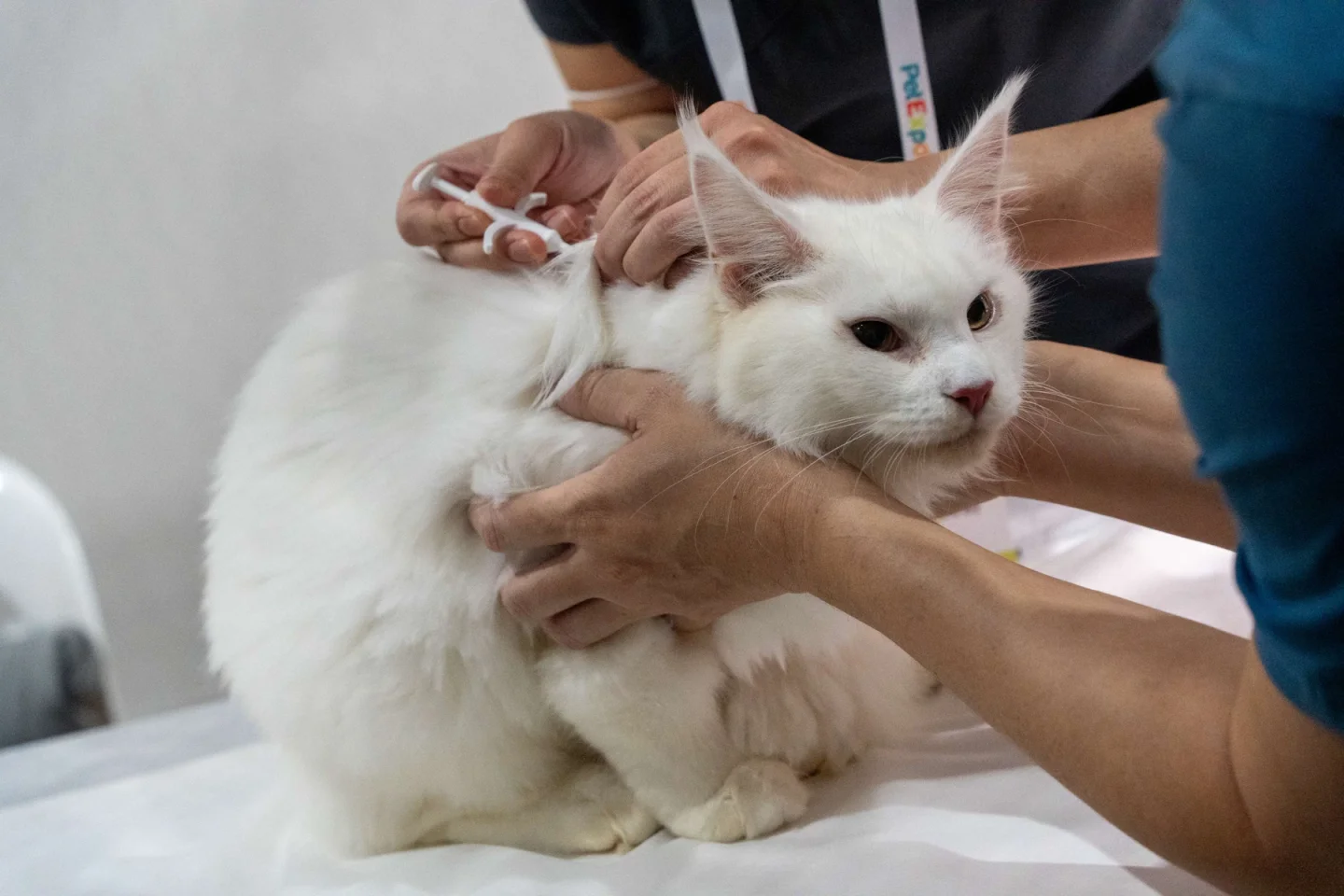
To mark the first year anniversary of the Cat Management Framework, AVS organised "Cat-ember", a month-long rollout of activities to promote responsible cat care.

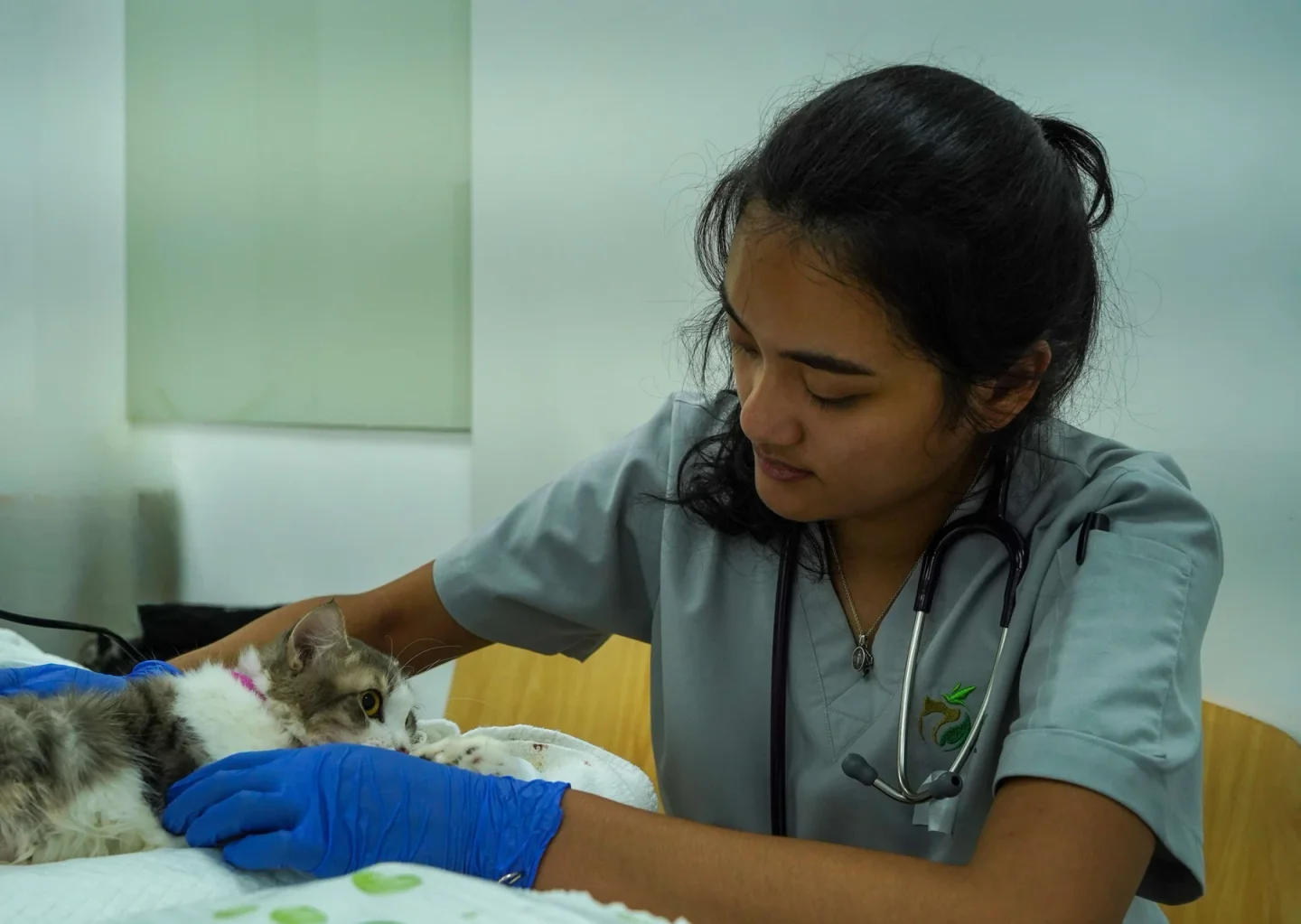
AVS veterinarians carried out free microchipping services on pet cats, which involves inserting a tiny chip beneath the cat's skin. Each microchip contains a unique ID number, essential for reuniting lost cats with their owners.
Shaping Global Wildlife Trade Governance
NParks achieved several milestones at the 20th Convention on International Trade in Endangered Species of Wild Fauna and Flora (CITES) Conference of the Parties (CoP20) in Uzbekistan in November 2025. Dr Anna Wong, Senior Director for Wildlife Trade in NParks was appointed Chair of Committee II of CITES, the first time a Singaporean has chaired one of the two main committees at a CoP. Singapore was also elected as one of three Asian members of the Standing Committee, and Dr Alwyn Tan, Director for Biorisk and Biosurveillance in NParks was elected an alternate member of the Animals Committee for Asia. These appointments are recognitions of Singapore's growing leadership and active participation within the global CITES community, including its contributions towards global trade governance.
Singapore further advanced its role within the Convention by proposing amendments to the CITES Resolution on Youth Engagement to formally recognise the CITES Global Youth Network. In support of this, the Inaugural CITES Global Youth Summit was held in Singapore in May 2025, giving youth delegates a platform to shape proposals on wildlife trade governance. These proposals were brought forward by Singapore and co-proponents at CITES CoP20, where amendments were adopted to formally recognise the CITES Global Youth Network.

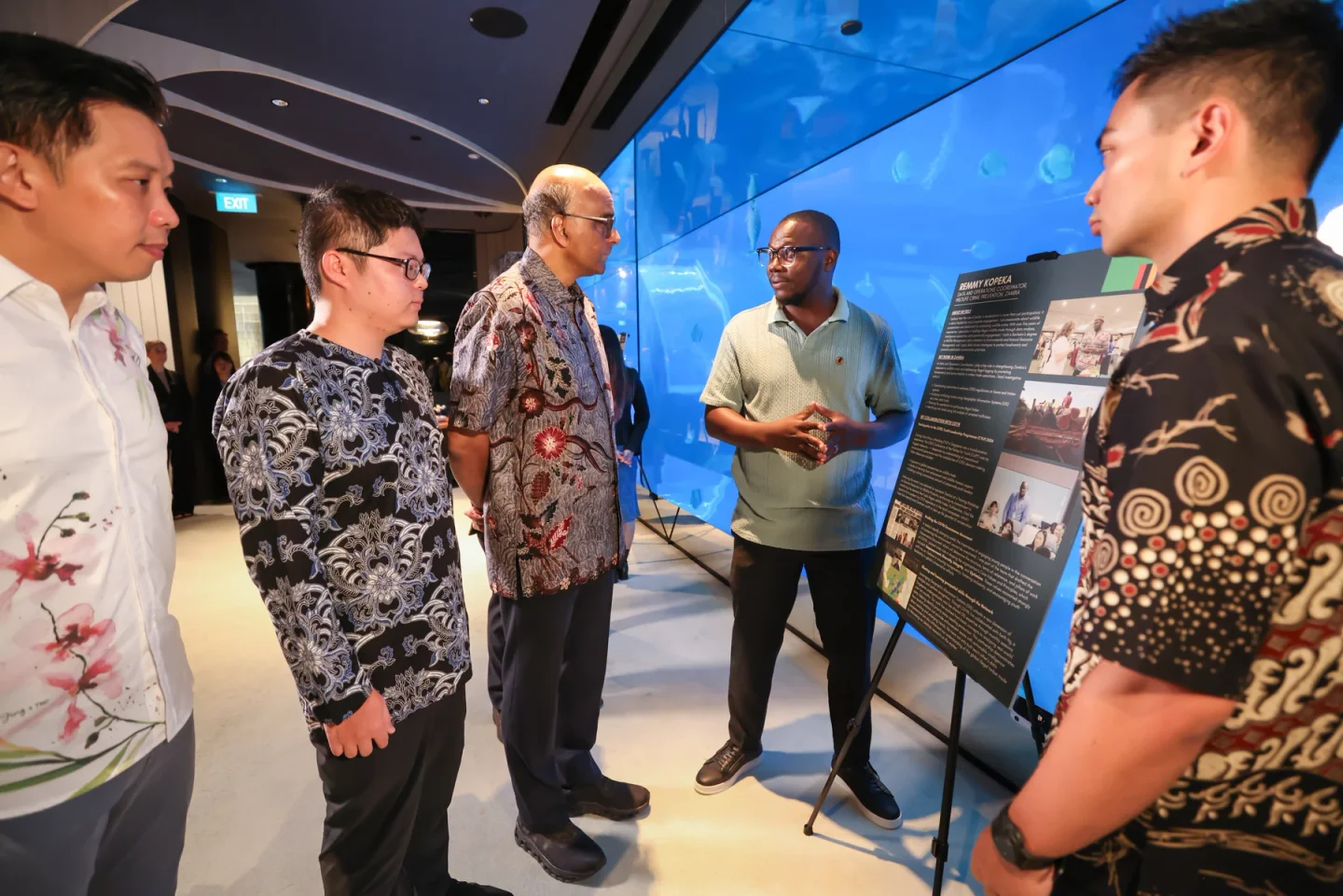
President Tharman Shanmugaratnam (left) was the Guest-of-Honour at the inaugural CITES Global Youth Summit, a key platform for youths to better understand and manage the intricacies of sustainable wildlife trade and conservation.
Leading the Fight Against Illegal Wildlife Trade
NParks takes a zero-tolerance approach to illegal wildlife trade and works with local and global partners to curb this trade.
In October 2025, NParks carried out coordinated raids on six premises, targeting individuals suspected of trading wildlife through online platforms, resulting in the seizure of 16 wildlife specimens. In November 2025, NParks and the Airport Police Division worked with staff at Changi Airport to seize over 35 kg of rhinoceros horns and 150 kg of other animal parts, marking the largest seizure of rhinoceros horns in Singapore. In December 2025, NParks assisted the Directorate for Priority Crime Investigation of the South African Police Service in the seizure of 55.4 kg of rhinoceros horns and 26.2 kg of lion and tiger bones, skulls and claws in Johannesburg, an operation that resulted in the arrest of two individuals.
Despite these cases, 2025 saw a 33% reduction in animal smuggling cases from 2024, with eight cases leading to court charges, and 20 resulting in composition fines.
The United Nations Environment Programme conferred the Asia Environmental Enforcement Recognition of Excellence on NParks, the Commercial Affairs Department of the Singapore Police Force, and the Attorney-General's Chambers, in recognition of their roles in Singapore's October 2022 rhinoceros horn seizure of 34.7 kg. The offender in that case was sentenced to two years' imprisonment, the heaviest penalty ever handed down in Singapore for wildlife parts smuggling.
As a major transport hub, Singapore requires strong coordination between local and global partners to address illegal wildlife trade. NParks, together with TRAFFIC International Southeast Asia and WWF, and with input from the World Shipping Council, co-authored a compendium for the maritime industry, providing guidance to carriers, shippers and freight forwarders on at-risk routes, common red flags, and tools to identify CITES-listed species being shipped illegally.

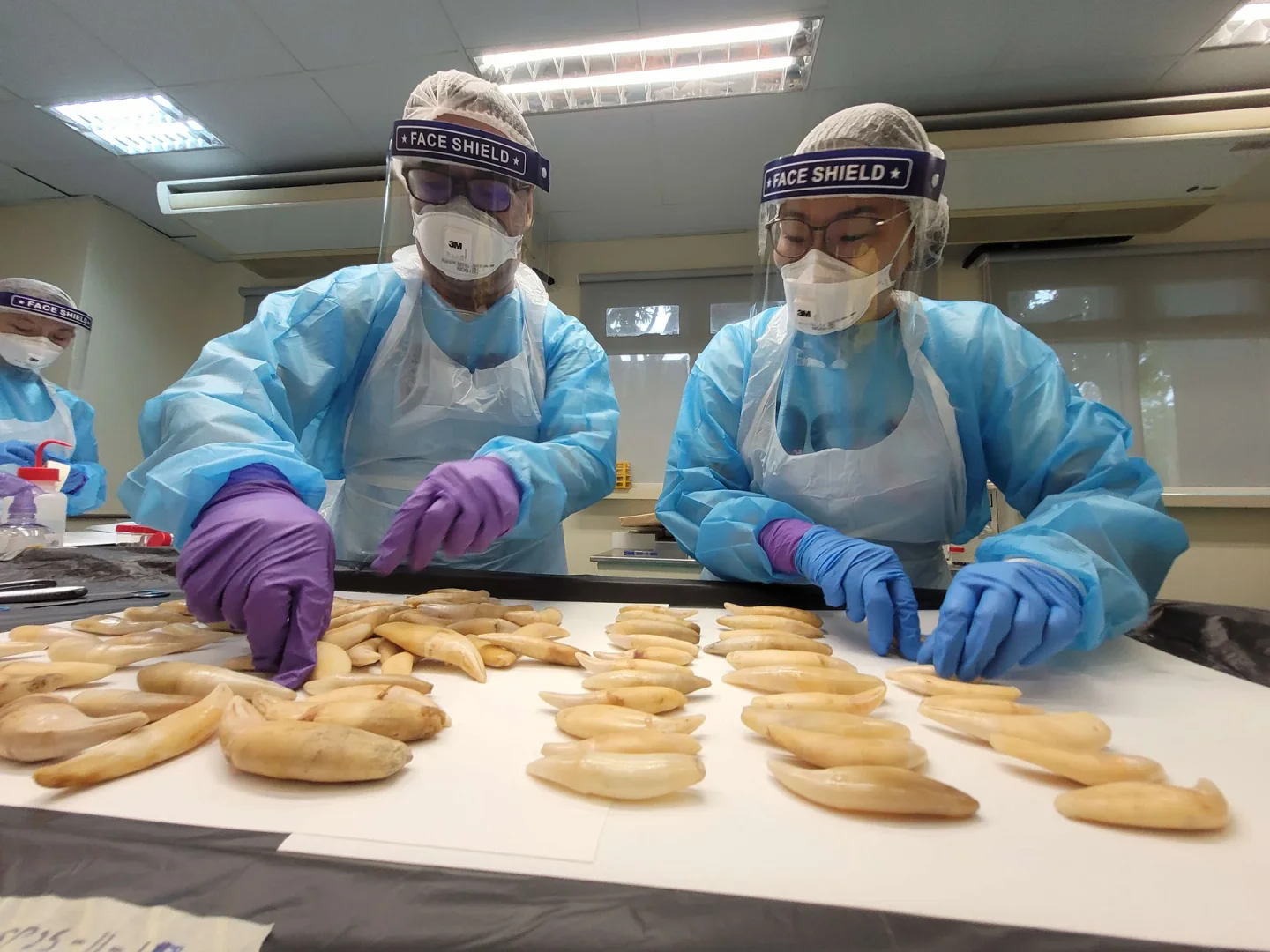
Twenty rhinoceros horns as well as 150 kg of other animal parts, including bones, teeth and claws, were detected in four pieces of cargo passing through Changi Airport.

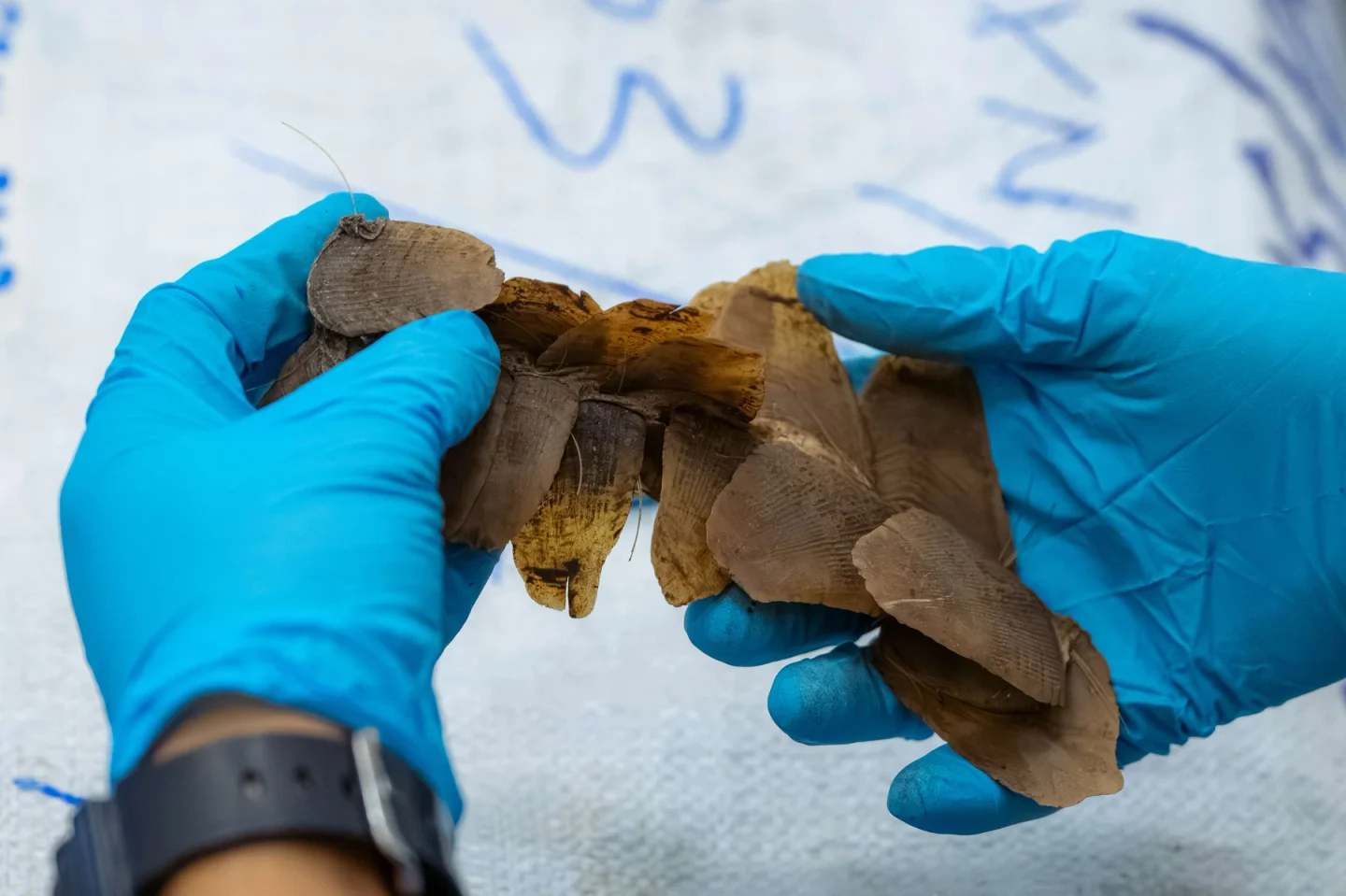
December 2025 also marked the largest haul of Asian pangolin scales seized in Singapore to date. NParks and the Immigration & Checkpoints Authority seized over 830 kg of Asian pangolin scales estimated to be from over 2,200 Sunda Pangolins (Manis javanica), a CITES Appendix I species.
Designation as a WOAH Collaborating Centre
In May 2025, the NParks Centre for Wildlife Forensics was designated a World Organisation for Animal Health (WOAH) Collaborating Centre for Wildlife Trade and Wildlife Health. Leveraging cutting-edge forensics and a deep understanding of the wildlife trade supply chain, the Centre is working closely with WOAH and regional experts to advance biodiversity conservation and capacity building in biosurveillance.
In January 2026, NParks hosted the WOAH WildNet meeting in Singapore, bringing together 16 WOAH Collaborating Centres to advance the implementation of the global wildlife health strategy. The meeting was held concurrently with the FAO One Health Workshop on Multi-Sectoral Prevention and Control of Avian Influenza for Southeast Asia, offering members valuable insights into regional efforts to manage highly pathogenic avian influenza.

The NParks Centre for Wildlife Forensics is the first WOAH Collaborating Centre to focus on risk analysis and management of wildlife movement aligned with the One Health approach.

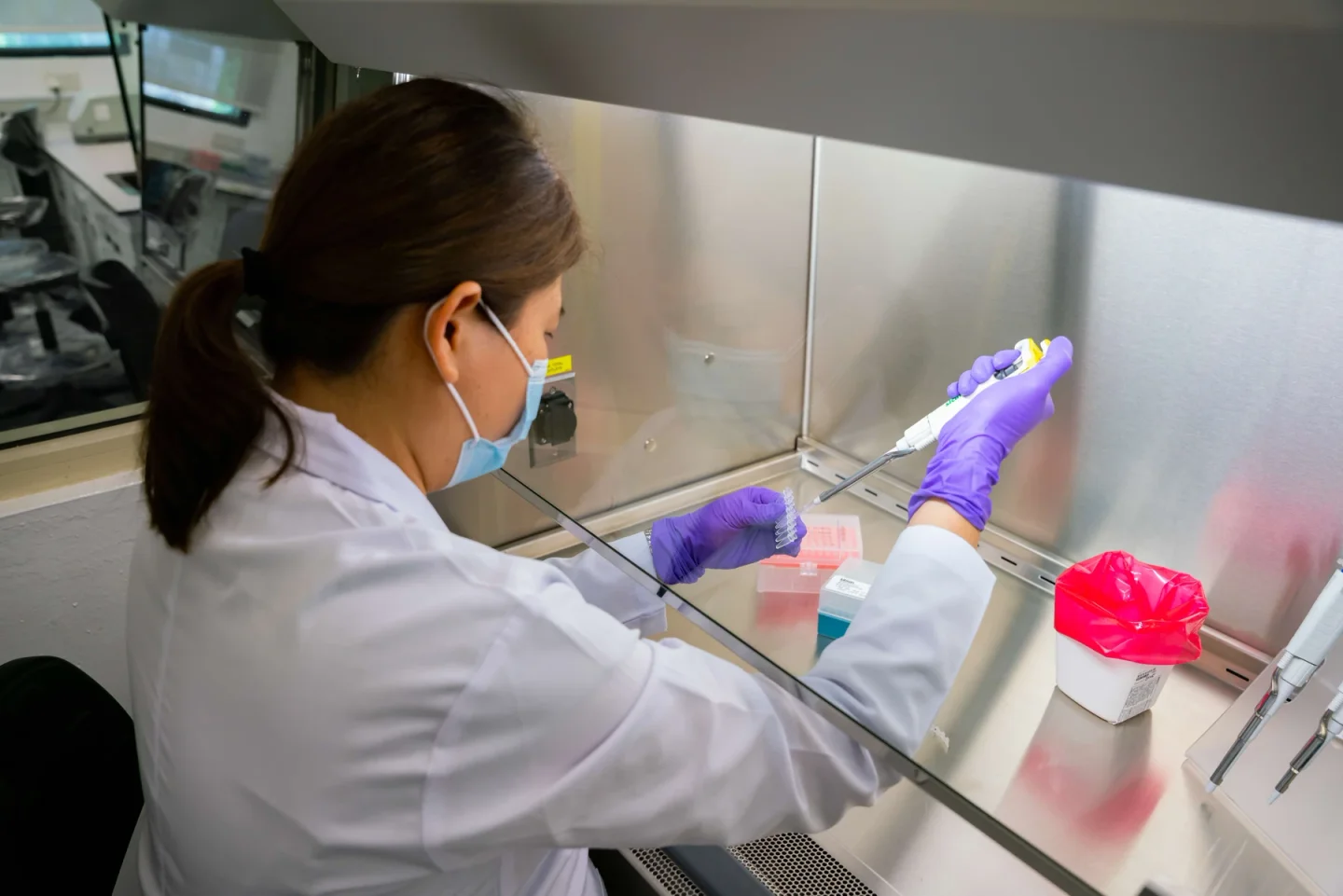
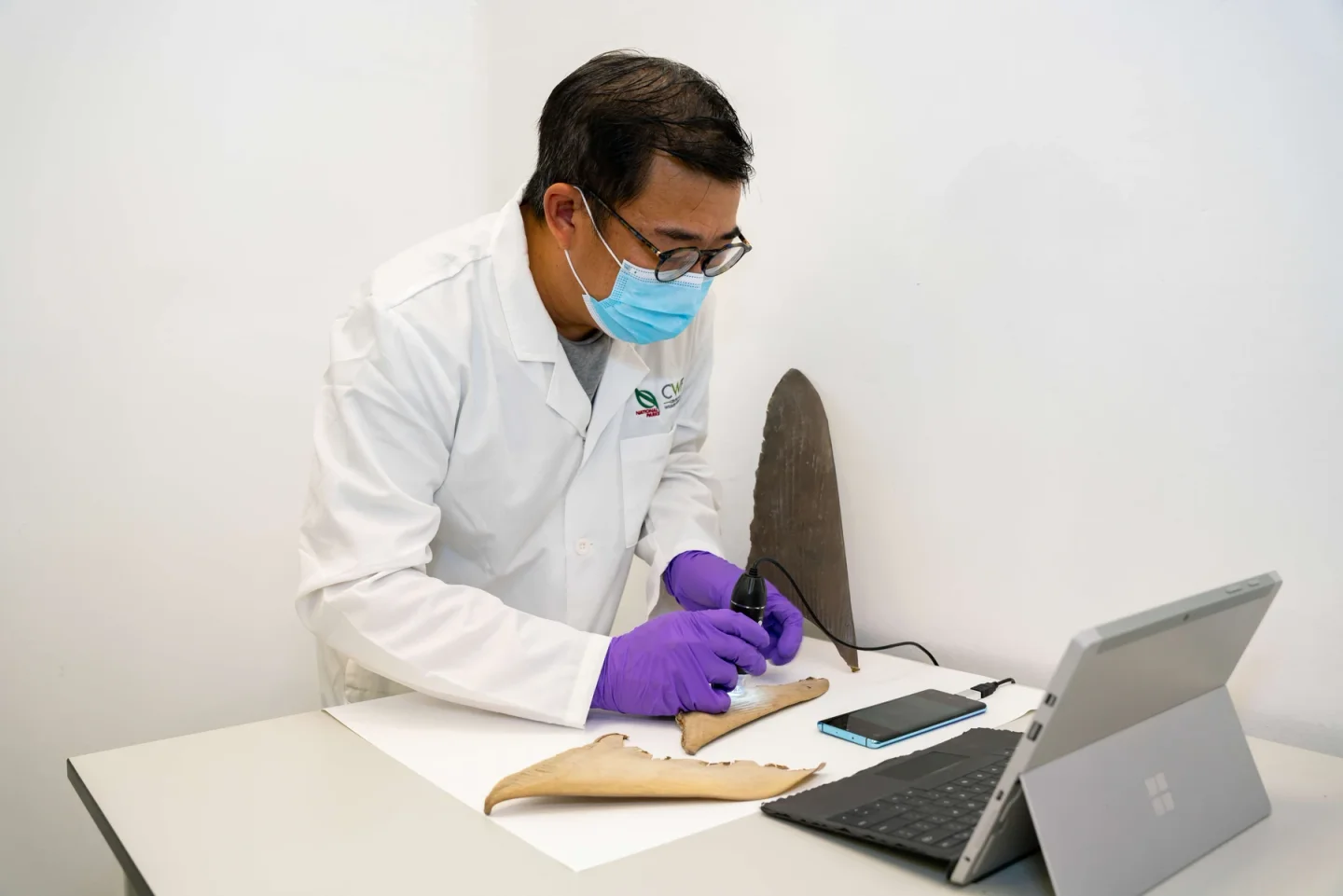
By utilising science and technology, staff at the Centre for Wildlife Forensics are able to identify and verify species to produce evidence in investigating cases of illegal wildlife trade.
Managing Urban Wildlife Populations
NParks adopts a science-based, multi-agency approach to managing urban wildlife populations, focusing on humane control, public education and ecosystem balance. On Pulau Ubin, a field-based Long-tailed Macaque (Macaca fascicularis) sterilisation operation was conducted, marking the first offshore deployment and piloting a safe, controlled approach for population management in remote settings.
For Rock Pigeons (Columba livia), a non-native invasive species, management efforts are carried out jointly with NEA, SFA and Town Councils (TCs), covering population monitoring, control measures, public education and community stewardship. A pilot conducted between July 2024 and March 2025 across three TCs achieved about 50% reduction in pigeon numbers and a 34% decrease in related public feedback, after which efforts have been maintained by TCs and progressively expanded nationwide.
House Crows (Corvus splendens) management is similarly undertaken, combining trapping, nest removal, public education, and enforcement against illegal feeding. Since 2024, more than 8,600 nests and 16,000 crows have been removed from urban hotspots. Measures have been stepped up, including expanded nest removals with TCs and the reintroduction of targeted shooting in selected areas from March 2026.
Protecting Wildlife from Vehicular Collisions
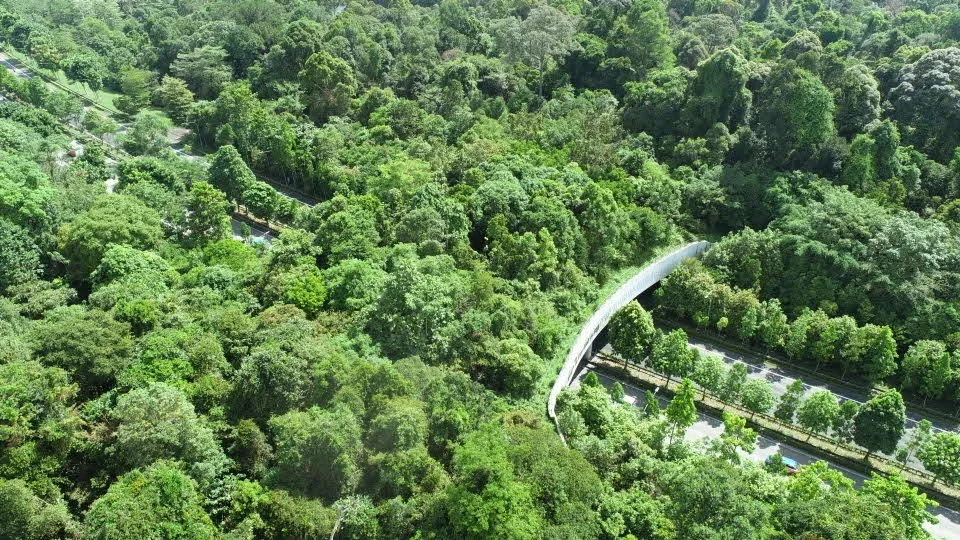
Since 2014, NParks has collaborated with nine stakeholder organisations to monitor roadkill incidents across Singapore. Drawing on this data, exclusion fencing and hedge planting deployed at collision hotspots in 2023 and 2024 have delivered a 66% reduction in Wild Boar (Sus scrofa) and Sambar Deer (Rusa unicolor) roadkill at these locations, by directing wildlife away from roads and towards designated safer crossing points such as the Eco-Link@BKE.
In April 2025, NParks announced the extension of exclusion fencing to nine additional high-risk locations, primarily along major roads near the Bukit Timah and Central Catchment Nature Reserves. NParks continues to monitor the situation and explore measures including enhancing wildlife warning signage, as well as habitat modification to reduce wildlife presence near roads.

Wildlife have been directed away from roads to safer crossing points such as the Eco-Link@BKE.
Partnering the Community against Rabies
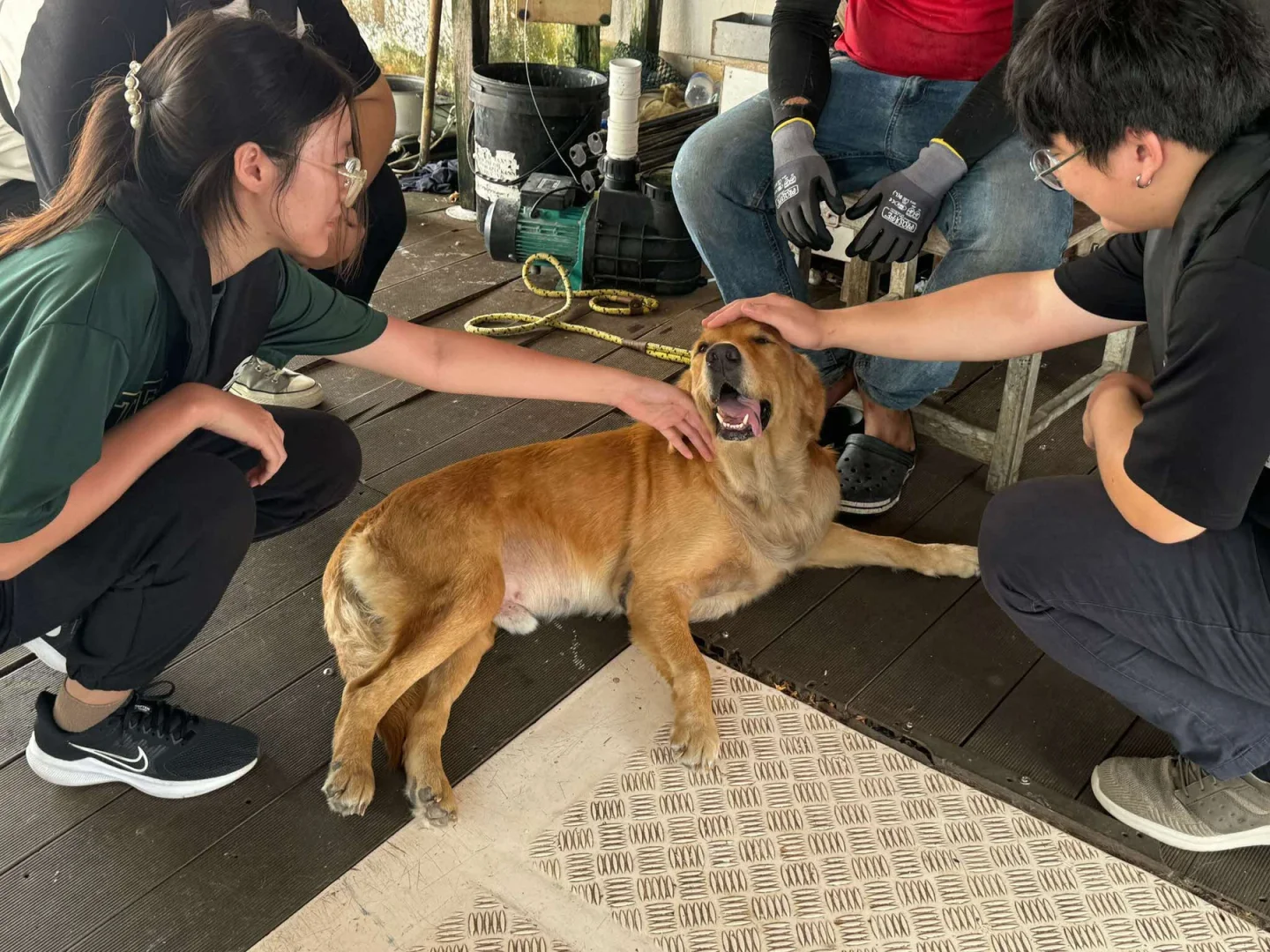
AVS conducts Operation Vax Lyssa annually, a preventative rabies vaccination programme for dogs and cats in higher-risk areas, such as coastal fish farms and Pulau Ubin. This is part of our biosecurity efforts to maintain Singapore's rabies-free status since 1953. In 2025, with support from the SFA, the exercise was conducted with experienced veterinarians and veterinary technology students from Temasek Polytechnic, bringing together professionals and the next generation of animal health practitioners.

Students from Temasek Polytechnic assisting in Operation Vax Lyssa, an annual rabies vaccination initiative where they help to draw blood samples and administer vaccines to animals in border and offshore regions.
Material Topic: Climate Resilience
(GRI 3-3)
Climate change poses challenges to natural ecosystems, green spaces and animal/plant health. Rising temperatures negatively affect visitor comfort and change how parks are used. Sea level rise and more frequent flash floods put coastal parks and intertidal habitats at risk, and shifting rainfall patterns raise the likelihood of slope failures and soil erosion. Extreme weather threatens flora and fauna. In particular, heavy rain and strong winds can significantly increase tree failures which pose public safety hazards. Changing weather patterns can lead to emerging zoonotic diseases, which create new public health pressures.
The Government has designated 2026 as the Year of Climate Adaptation to highlight the significance of this issue. NParks contributes to national resilience to climate risks by developing suitable adaptation measures. These include enhancing climate resilience in our natural ecosystems, urban greenery and infrastructure as well as stepping up climate-sensitive biosurveillance. We lead the City in Nature vision by intensifying greenery, restoring habitats, and expanding nature networks, and embed climate adaptation across day-to-day operations. This includes the removal of storm-vulnerable tree species such as Khaya (Khaya senegalensis).
Year in Review
Greenery to Mitigate Urban Heat
Intensification of greenery remains central to NParks' approach to mitigating the Urban Heat Island effect. In addition to the development of more green spaces, NParks also launched the OneMillionTrees movement in 2020, to plant a million more trees by 2030. As of March 2026, more than 855,000 trees had been planted across Singapore, with continued focus on industrial estates such as Jurong Island and Tuas Industrial Estate, which rank among the country's hottest areas.
Trees are planted in naturalistic, forest-like arrangements that provide layered shade and active cooling. A network of microclimatic sensors has also been deployed across Jurong to monitor the on-the-ground impact of new tree cover and inform future planting strategies. Studies have indicated that this intensified planting can reduce mid-day temperatures by up to 0.9 degrees Celsius. NParks continues to collaborate with institutes of higher learning to further assess the cooling performance of different tree typologies to enhance urban cooling through planting.
Thermal Comfort
NParks has developed a guide to support the implementation of site-appropriate cooling strategies at parks and park connectors. This guide leverages factors such as shade, wind flow and heat retention properties of ground materials to lower surface temperature in our parks to enhance thermal comfort of park visitors. We will continue to work on this area to promote heat resilience and thermal comfort of our green spaces.

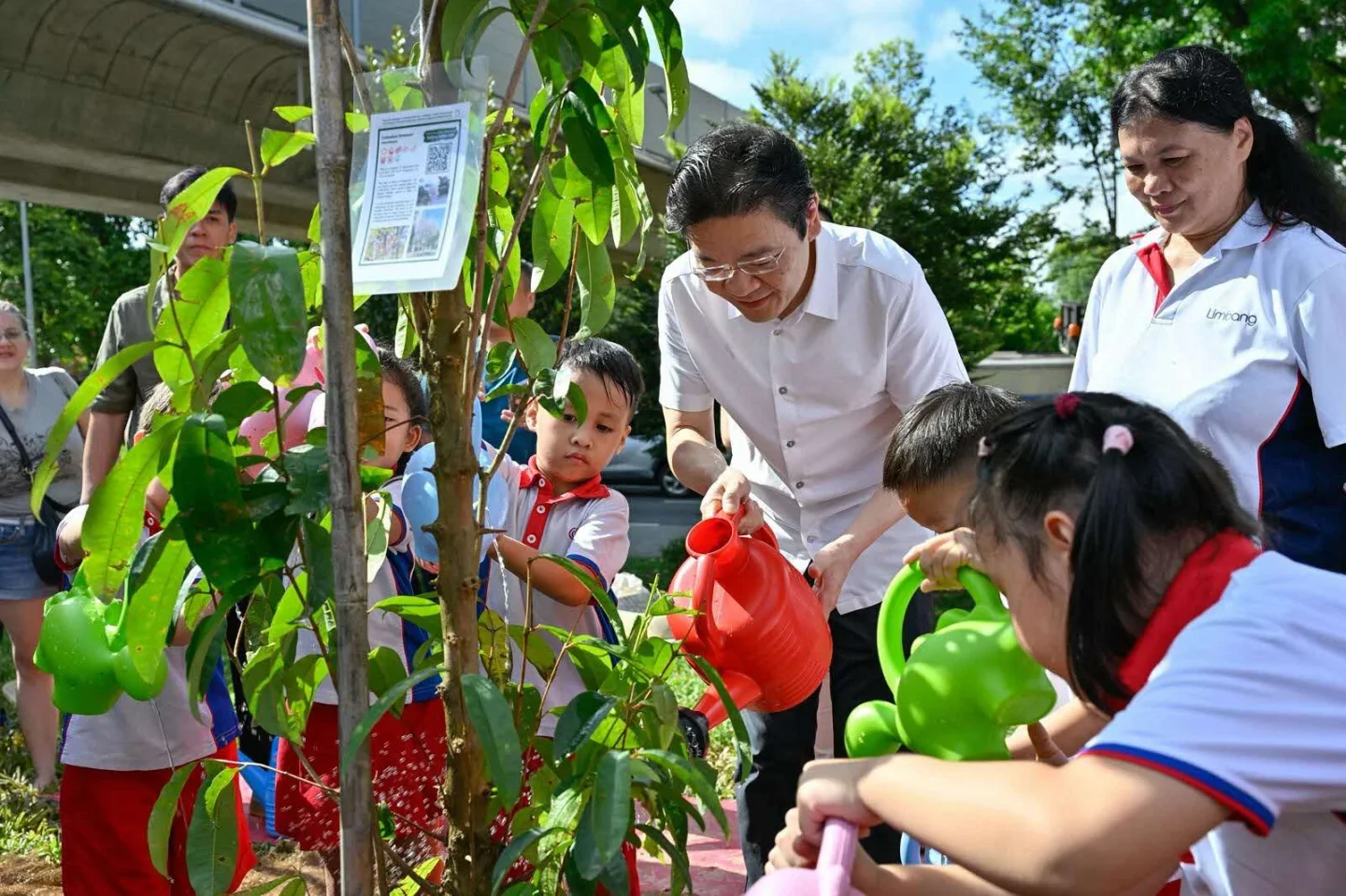
Prime Minister Lawrence Wong planting Pink Mempat (Cratoxylum formosum) trees alongside children from PCF Sparkletots during a Tree Planting Ceremony on 6 December 2025.
Boosting Coastal and Flood Resilience
In FY2025, NParks made progress in embedding nature-based solutions into Singapore's coastal and riverine landscapes. Mangrove restoration is under way along the northern coast of Pulau Ubin, alongside mangrove toe protection works and continuing mangrove restoration at Sungei Durian Ponds. Further coastal protection works are planned for Mandai Mangrove and Mudflat Nature Park and Kranji Reservoir Park.
In addition to the rock revetment at Pulau Tekong and Kranji Coastal Nature Park, the creation of headlands along the northern coast of Pulau Ubin protects shorelines while promoting natural mangrove growth. They complement engineering solutions to mitigate erosion from storm surges and rising sea levels. Inland, naturalised waterways and drought-tolerant species continue to strengthen flood and ecological resilience across our parks.
Managing Tree and Slope Failures
NParks' tree management regime is guided by the International Society of Arboriculture guidelines, which set the global benchmark for tree care. The rigorous inspection regime pre-emptively identifies trees at heightened risk of failure during severe weather, allowing officers to act before damage occurs. In addition, NParks is progressively replacing storm-vulnerable species such as Khaya (Khaya senegalensis) and Sea Apple (Syzygium grande) with hardier natives such as Shore Laurel (Neolitsea cassia) and Sea Gutta (Planchonella obovata).
Data on tree failures is collected to support better analysis in anticipation of increased storm intensity resulting from climate change. To complement field inspections, NParks is piloting modelling techniques that simulate the impact of strong winds on tree structural integrity, helping officers to optimise pruning regimes to improve tree stability. For slopes, stabilisation works are implemented where needed, with inspections conducted quarterly during fair weather and stepped up to monthly or even weekly during prolonged wet periods.
Managing Risk of Vegetation Fires
NParks' fire safety approach pairs preventive groundwork with new detection technology. These measures include trimming vegetation, clearing wood debris and maintaining fire breaks in nature reserves, alongside heightened patrols at fire-prone hotspots and stepped-up enforcement against smoking and unauthorised burning. NParks has also developed a Forest Fire Detection and Monitoring System that combines closed-circuit television cameras, drones and video analytics to pinpoint the location of fires in real time, enabling a faster joint response with the Singapore Civil Defence Force.
Research Powers Long-term Climate Strategy
Research underpins NParks' long-term climate strategy, forming the scientific evidence base to derive effective intervention measures. The Marine Climate Change Science Programme, led by NParks, serves as Singapore's national focal point for marine climate research, developing solutions to address sea level rise, increasing temperatures and extreme storm events. Its translational emphasis is reflected in projects such as the long-term viability assessment of nature-based solutions including mangroves and coral reefs.
Complementing this, the City in Nature Research Programme funds urban ecology and greenery research that strengthens our climate, ecological and social resilience. A current project investigates tree-root anchorage and develops non-destructive testing protocols to assess tree stability in constrained urban spaces, amidst changing weather patterns.
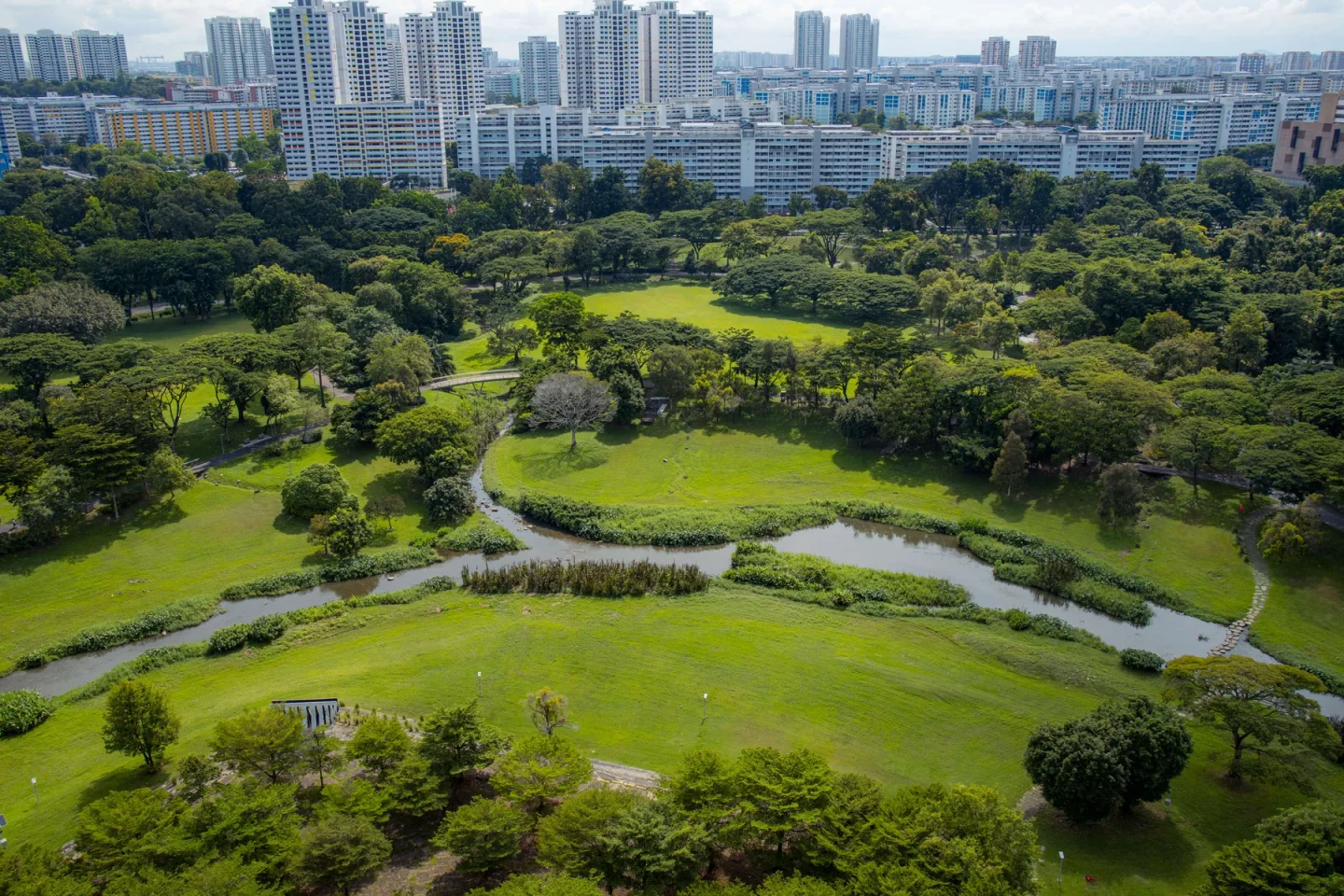
Bishan-Ang Mo Kio ParkEmissions and Energy Management
(GRI 302-1, 302-3, 305-1, 305-2)
While NParks' operations account for only a small share of Singapore's national emissions footprint, we recognise our responsibility as a public agency and environmental steward to lead by example. Our most material climate impacts stem from Scope 1 fuel use in maintenance vehicles and equipment, and from Scope 2 electricity consumption in offices, visitor centres and park amenities, where air conditioning, lighting and other building services drive the bulk of our footprint.
NParks works closely with the Ministry of National Development and the Ministry of Sustainability and the Environment to align our targets with whole-of-government direction. A dedicated internal workgroup reviews energy, water and waste consumption monthly, investigating anomalies and driving continuous improvement in operational efficiency.
We have tracked energy and emissions data since 2018, refining the collection and validation processes to support consistent monitoring, evidence-based decision-making and transparent reporting.
We are committed to our GreenGov.SG energy reduction target and have reduced onsite electricity consumption and improved energy intensity. We will continue to review and calibrate our environmental targets alongside national priorities and emerging challenges.
Material Topic: Sustainable Resource Management
(GRI 3-3, 303-1, 303-2, 303-3, 303-4, 303-5)
Water Management
Water is integral to how NParks designs, builds and cares for our parks and green spaces, and we recognise our role in supporting Singapore's water sustainability goals. Our water-related impacts arise across the lifecycle of our work: newly planted landscapes require significant water to establish during construction, while operational gardens are largely designed not to require irrigation, with the exception of selected sites. For the national gardens – Singapore Botanic Gardens and Jurong Lake Gardens – much of the irrigation needs are met through freshwater harvesting and by having dedicated irrigation ponds/lakes, with potable water usage being minimised.
Our management approach combines water-sensitive urban design, demand reduction, operational technology and pollution prevention within a clear regulatory framework. Active, Beautiful, Clean (ABC) Waters features such as bioretention swales, permeable surfaces and naturalised streams are embedded across our parks to manage stormwater, improve water quality and support biodiversity by providing food sources and habitats. Beyond their water management function, these features also double up as green recreational spaces during clear days, with parks increasingly functioning as living infrastructure that strengthens climate resilience.
On the demand side, we have installed water-efficient features such as sensor taps and water-saving toilets, expanded NEWater connections and rainwater harvesting systems to reduce reliance on potable supplies, and deployed closed-loop circulation systems at sites such as Jurong Lake Gardens. Additional rainwater harvesting has been introduced at new and upgraded parks, and storage capacity has been expanded with new tanks including a 400 m³ tank at Singapore Botanic Gardens to conserve rainwater through extended dry spells.
Operational technology is increasingly central to how we manage water. Solar-powered desalination systems and automated irrigation controls, supported by smart tools that monitor water usage data, optimise irrigation schedules and keep landscapes healthy during dry weather. Planning and maintenance practices complement these systems. For instance, drought-tolerant species are selected and plantings timed to coincide with the monsoon season, multi-tiered planting is used along road verges to retain water and slow runoff. Recycled wood-chip mulch is used to help retain soil moisture, and irrigation is focused on priority areas during dry periods.
We have reduced reliance on chemical pesticides in favour of non-chemical pest management to protect water quality. Moreover, we minimised pesticide use in water features and, where pesticides are necessary, non-synthetic options are prioritised with carefully controlled application amounts and monitoring to prevent leaching into waterbodies. During park construction and operations, subsoil drainage systems and erosion control measures are in place to protect waterbodies. Rigorous earth control measures are applied at construction sites to prevent sedimentation and runoff.
All water discharge activities are governed by national standards including Singapore Standard SS 636:2018, the Environmental Pollution Control Act and PUB's Code of Practice on Surface Water Drainage, which guide water service installation, pollution risk management and discharge quality.
Effectiveness is evaluated through routine monitoring of interactive water playgrounds in collaboration with NEA, alongside detailed records of water quality, test results and operational activities that support audits and regulatory reporting.
NParks is aligned with the GreenGov.SG target to reduce our Water Efficiency Index (WEI) by 10% from baseline by 2030. Progress is tracked through monthly utility bills, total operational water usage, and the number of parks with water-sensitive features such as naturalised streams and wetland systems, alongside flood resilience implementation and park visitor patterns. See the GreenGov.SG Targets and Performance section (pages 82-83) for further details on progress against this target.
Year in Review
Attaining Water Self-sufficiency
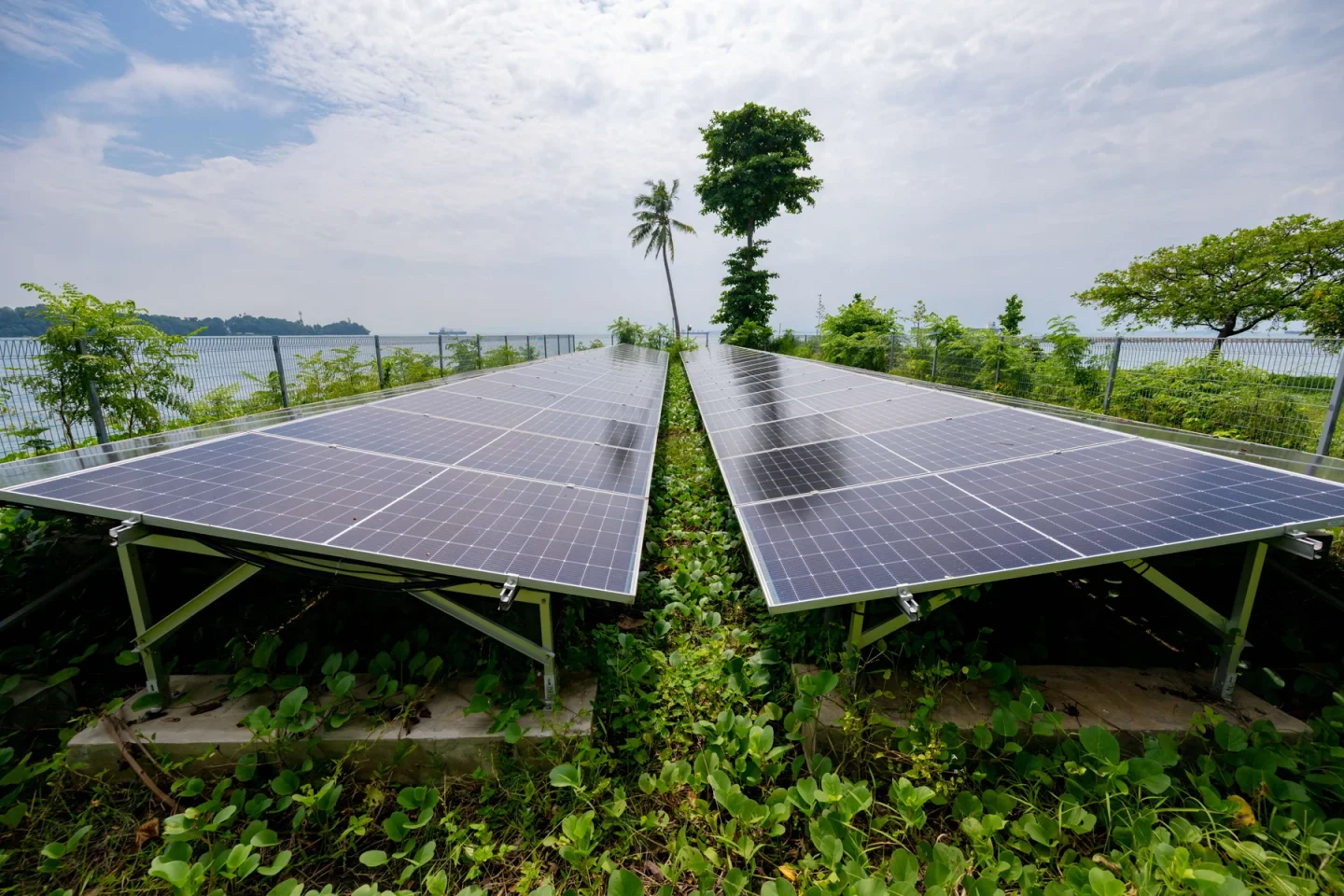
In FY2025, NParks advanced self-sufficient water infrastructure at two offshore sites. At Coney Island Park, zero-energy toilets draw on harvested rainwater for flushing and handwashing, removing the need for grid-connected supply. On Sisters' Islands, a solar-powered desalination plant converts seawater into clean water, eliminating the need to transport supplies from the mainland. The water is stored in an 8,000-litre gravity-fed tower and distributed across the facility without electric pumps, reducing both energy use and infrastructure dependency.
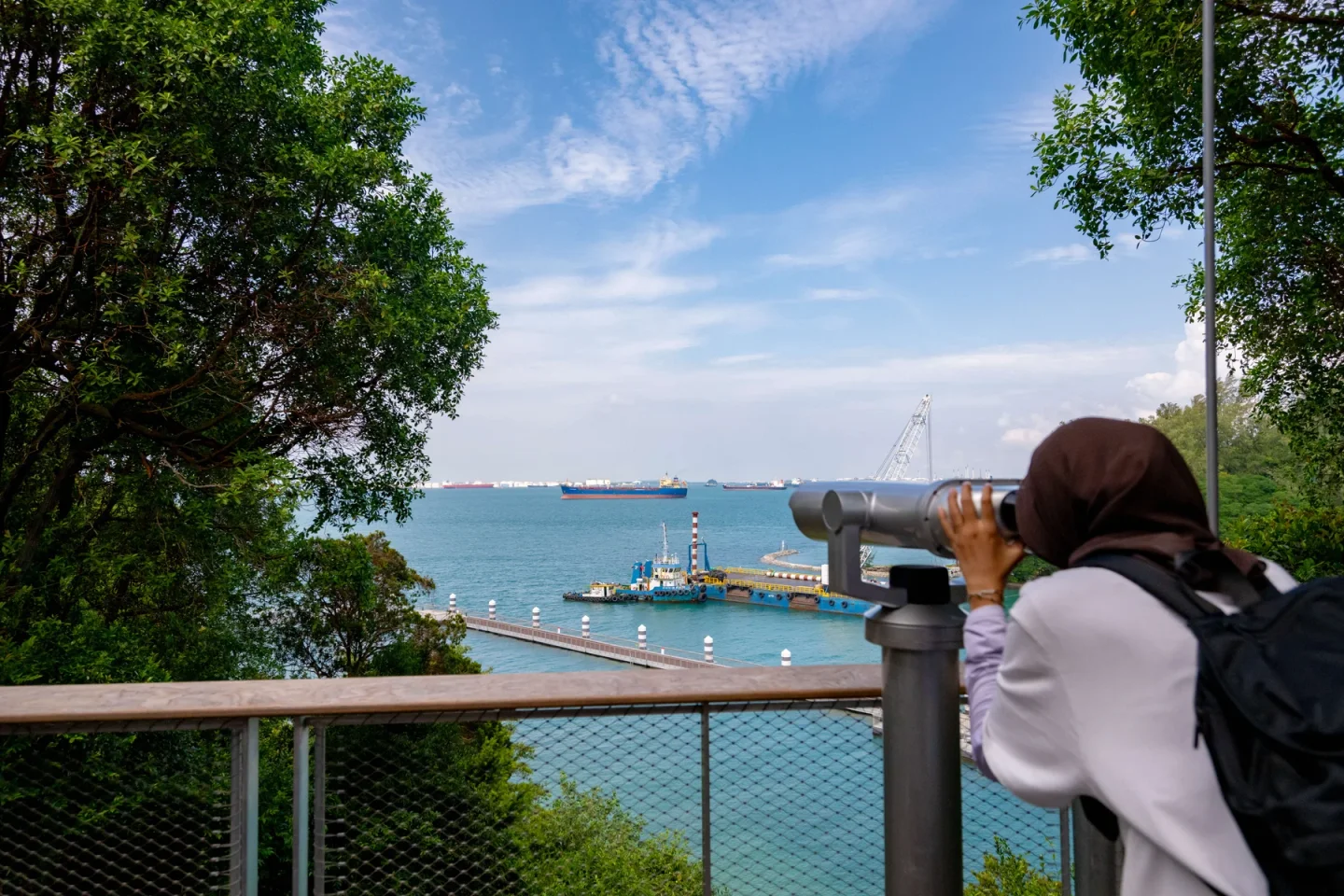
Sisters’ Islands Marine Park
Solar panels and automated irrigation controls on Sisters' Islands keep landscapes lush with minimal energy.
Material Topic: Sustainable Resource Management
(GRI 306-1, 306-2, 306-3, 306-4)
Construction and Waste Management
NParks' operations generate a wide range of waste streams, from construction site debris and packaging to visitor refuse and substantial horticultural trimmings. We recognise that unmanaged waste increases the landfill burden, raises carbon emissions from transportation, and risks soil and water contamination that compromises the ecological integrity of our urban landscape. NParks is committed to ensuring that our construction and maintenance activities support waste reduction and resource optimisation, contributing to Singapore's national efforts under NEA's Zero Waste Masterplan and the goal of reducing daily waste to landfill per capita by 30% by 2030.
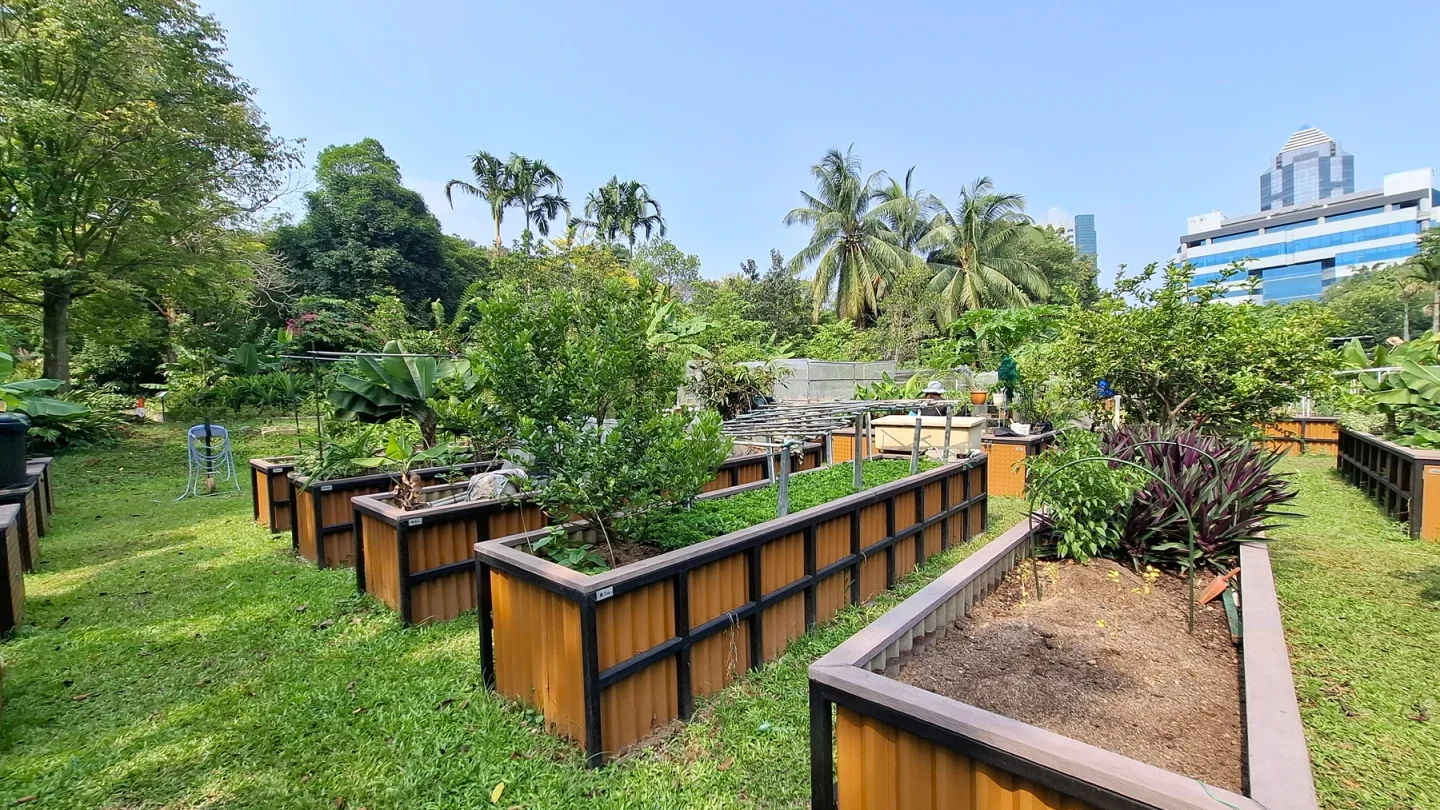
Our management approach is aligned with circular economy principles. We use prefabricated and modular building methods to reduce construction waste, and are exploring innovations such as CarbonCure concrete and 3D concrete printing (currently piloted for allotment garden planters) to lower our carbon footprint. At HortPark, natural timber has been replaced with glass fibre reinforced concrete (GFRC) and composite timber for planter beds. These are recycled materials that require less frequent replacement, thereby reducing long-term waste.
Where possible, felled trees are upcycled into benches, trail markers, play equipment and wildlife habitats, while construction debris is reused as hardcore, and existing structures are adaptively reused to avoid unnecessary demolition. An in-house composting system at HortPark processes approximately 2,000 litres of horticultural waste every three months into compost that rejuvenates soil across our landscapes and reduces reliance on chemical fertilisers, while leaf litter is collected and reused in parks to improve soil health and moisture retention. We work closely with contractors, suppliers and internal operations teams: feedback on material performance informs procurement processes, vendors are engaged to source for lower-impact alternatives, and landscape contractors collaborate on converting horticultural waste into mulch.
We consistently monitor key metrics, including the total volume of horticultural waste generated and the proportion recycled versus disposed, drawn from reports submitted by our landscape contractors. These figures guide operational decisions and progress against our waste reduction goals, while our broader approach yields cost reductions through lower disposal and material procurement needs and extends the lifecycle of valuable resources.
NParks is aligned with the GreenGov.SG target to reduce waste disposal by 30% from our FY2022 baseline by FY2030. See the GreenGov.SG Targets and Performance section (refer to page 82) of this report for further detail on progress against this target.
Year in Review
Managing Horticultural Waste Sustainability
HortPark's in-house composting system converts about 2,000 litres of horticultural waste every three months into nutrient-rich compost used on-site. The compost is used to improve soil in the edible gardens and as mulch for allotment garden community plots. This closed-loop system reduces waste sent for disposal and lowers reliance on chemical fertilisers, supporting more sustainable land management practices. The composting facility is situated in a back-of-house area and operated by HortPark’s landscaping contractors.
The system is constructed from low-cost drainage materials lined with porous geotextile cloth, making it cost-effective and easy to maintain. The geotextile lining provides adequate aeration and drainage, enabling effective decomposition. In December 2025, the system was repaired and relocated onto a turf to prevent nutrient-rich leachate from running off onto hard surfaces, where it could otherwise cause algae growth and become a slipping hazard. Locating the system on the turf allows excess nutrients to be absorbed naturally by the soil, reducing this risk.
Allotment Gardens at HortPark